Tunisian municipalities are struggling to secure financing for their development projects, despite the availability of national and international funding sources. An expert workshop organized by ONU-Habitat in Tunis highlighted the challenges faced by local authorities in accessing these resources. The workshop was part of the "Partnership Platform for Localizing Sustainable Development Goals (SDGs) in Tunisia". Experts emphasized that the main challenge lies not in designing development plans, but in mobilizing financial and technical resources to implement them.
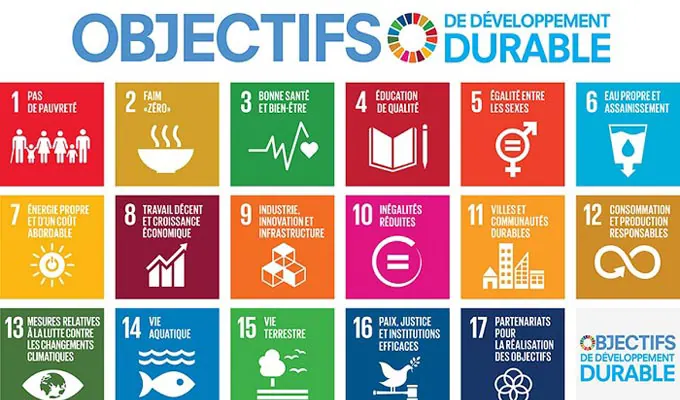
The Partnership Platform for Localizing SDGs is a global initiative that aims to translate the 17 goals of the 2030 Agenda into concrete policies, action plans, and budgets at the local and multi-level. In Tunisia, five pilot municipalities were selected in coordination with ONU-Habitat and local governors: Kélibia, Sened, Sejnane, Zahret Medyen, and Bechri Fatnassa Negga. These municipalities were chosen based on their geographical, cultural, and economic specificities.
Expert in local finance, Ahmed Guidara, stressed that the platform's importance lies in bringing together urban planning and finance stakeholders. He noted that plans cannot be implemented without mobilizing necessary financial resources. Guidara identified several obstacles faced by municipalities, including limited capacity for savings and generating own resources. He also highlighted that several available funding sources, including international climate change financing, remain under-exploited due to lack of state support and qualified structures.
Guidara called for enabling local authorities to better utilize funding offered by the Caisse des Prêts et de Soutien des Collectivités Locales in Tunisia and national programs. He believes that the Partnership Platform for Localizing SDGs can help harmonize visions and open up prospects for inter-municipal cooperation, particularly for joint climate projects. This, he argues, would reduce costs and increase the effectiveness of local investment.
Urban development specialist, Achraf Ghrib, emphasized the platform's role as a space for municipalities, regional and local councils, experts, associations, funders, and international partners to design feasible projects at the local level. Ghrib stressed that projects in pilot municipalities should go beyond strictly local dimensions and have a regional economic, environmental, and tourist impact, creating jobs and improving the quality of life and services provided to residents.
The Partnership Platform for Localizing SDGs aims to support Tunisian municipalities in overcoming financing challenges and implementing their development plans. The platform provides a space for stakeholders to coordinate and share resources, expertise, and best practices. By leveraging this platform, municipalities can access funding sources and technical assistance to implement projects that address local needs and contribute to national development goals.
The Tunisian government's efforts to support local development and address financing challenges faced by municipalities are crucial for achieving sustainable development goals. With the support of international partners and stakeholders, the government can help municipalities mobilize resources and implement projects that improve the lives of residents and contribute to the country's economic growth.
Key points
- Tunisian municipalities face significant challenges in mobilizing financing for local development projects.
- The Partnership Platform for Localizing SDGs aims to support municipalities in overcoming these challenges.
- Expert stakeholders emphasize the need for coordination and cooperation among stakeholders to leverage funding sources and technical assistance.