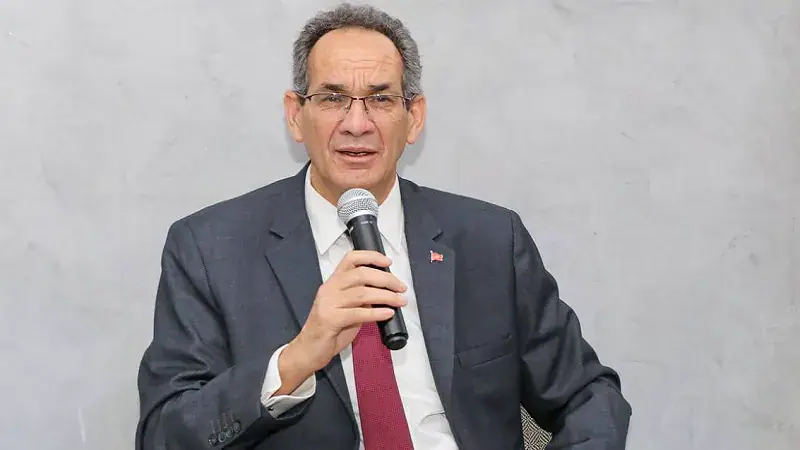
Tunisia's Ministry of Higher Education and Scientific Research is set to prioritize the development of the country's research system, enhancement of international cooperation, and improvement of university services in its 2027 budget. Minister Monther Belaid presented the ministry's plans to the Assembly of People's Representatives and the National Council of Regions and Districts. The proposed budget aims to boost the country's scientific and technological capabilities.
The ministry's research program is built around four main pillars, including strengthening international scientific cooperation and supporting research programs. The plan is to develop the research system, enhance its role in knowledge production, and keep pace with scientific and technological advancements. This will support the country's development efforts and contribute to the evaluation of research results.
In terms of pedagogical support, the minister reported that the current tutor-to-student ratio stands at 1:11, with a total of 21,880 teaching staff. The ministry is working to improve teaching and learning conditions, with a focus on supporting students throughout their academic journey. This includes providing adequate services, such as food and accommodation.
The ministry's plan also includes improving university services, particularly in the areas of food and accommodation. Currently, 84 university cafeterias provide around 14 million meals per year. The proposed budget for scholarships and university loans is 241.7 million dinars, covering scholarships, loans, and social assistance for students, including those studying abroad.
In the area of university accommodation, the ministry aims to increase capacity and enhance living conditions and services for students. This move is part of a broader effort to create a supportive learning environment. The ministry's plans have been informed by stakeholder engagement and an assessment of current needs.
The minister's presentation to the parliamentary committees follows recent developments in Tunisia's education sector. For example, the University of Sousse recently won an innovation award at the Mediterranean Artificial Intelligence Forum in Marseille. Other Tunisian universities, such as the University of Carthage, are also exploring partnerships with foreign institutions to enhance their academic and research capabilities.
The 2027 budget priorities reflect the government's commitment to improving the country's higher education system. Key areas of focus include research, international cooperation, and student support. The ministry's plans will be subject to further review and approval by the relevant authorities.
Key points
- The proposed budget for scholarships and university loans is 241.7 million dinars.
- The ministry's research program is built around four main pillars.
- 84 university cafeterias provide around 14 million meals per year.