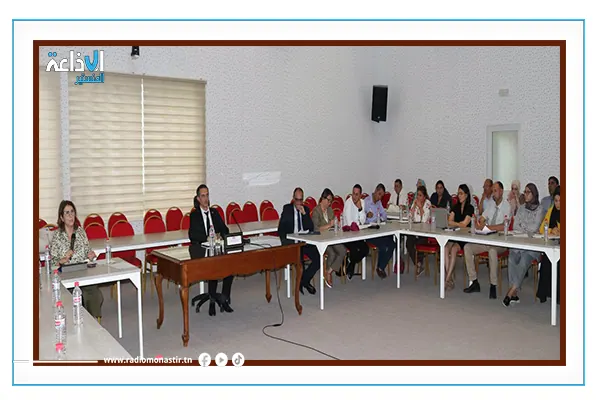
On September 24, 2026, Tunisian Minister of Agriculture, Water Resources, and Maritime Fishing, Azeddine Ben Cheikh, presided over a working session aimed at introducing the financing mechanisms offered by the Green Climate Fund (GCF) and the Loss and Damage Fund (FRLD). The session brought together several high-ranking officials and experts from the Ministry of Agriculture, Water Resources, and Maritime Fishing, as well as representatives from the Ministry of Environment and various other structures involved in financing, investments, and production.
The session is part of the Ministry's efforts to mobilize international financial resources and enhance the readiness of national structures to benefit from climate financing mechanisms. The goal is to prepare a portfolio of priority projects that meet national and sectoral needs and adhere to the criteria set by international funds. During the session, participants discussed the objectives and areas of intervention of the Green Climate Fund and the Loss and Damage Fund, as well as the conditions and procedures for accessing available financing.
The Green Climate Fund and the Loss and Damage Fund aim to support countries in their efforts to adapt to the impacts of climate change and reduce greenhouse gas emissions. The funds also focus on addressing losses and damages caused by climate-related disasters. Tunisia, like many other countries, is vulnerable to the impacts of climate change, including rising temperatures, changing precipitation patterns, and increased frequency of extreme weather events.
The session provided an opportunity for participants to discuss the impacts of climate change on Tunisia's agricultural, water, and maritime sectors. They highlighted the need for climate-resilient projects that can help mitigate the effects of climate change and support sustainable development. The participants also emphasized the importance of research and development in identifying priority areas for climate financing and ensuring that projects are effective and sustainable.
Minister Ben Cheikh stressed the importance of strengthening coordination and integration among various stakeholders, including ministries and institutions, to develop projects that meet national priorities and take advantage of available climate financing opportunities. He also emphasized the need to enhance the role of research in identifying priorities and converting scientific findings into concrete projects that can be financed and implemented.
The Minister instructed the Tunisian Agency for the Promotion of Agricultural Investments to support the development of projects and improve their readiness to access international climate financing mechanisms. He also called for accelerating the use of available climate financing mechanisms, ensuring that proposed projects are realistic, feasible, and directly linked to the actual needs of the sectors.
The session concluded with a call to action to enhance data collection, evaluation, and analysis related to losses and damages caused by climate change. The participants also emphasized the importance of translating scientific research into practical solutions that meet the needs of the agricultural, water, and maritime sectors.
Key points
- The Tunisian Ministry of Agriculture hosted a session to introduce climate financing mechanisms offered by the Green Climate Fund and Loss and Damage Fund.
- The session aimed to enhance the readiness of national structures to benefit from climate financing mechanisms and prepare a portfolio of priority projects.
- The Minister emphasized the importance of strengthening coordination and integration among stakeholders and enhancing the role of research in identifying priorities.