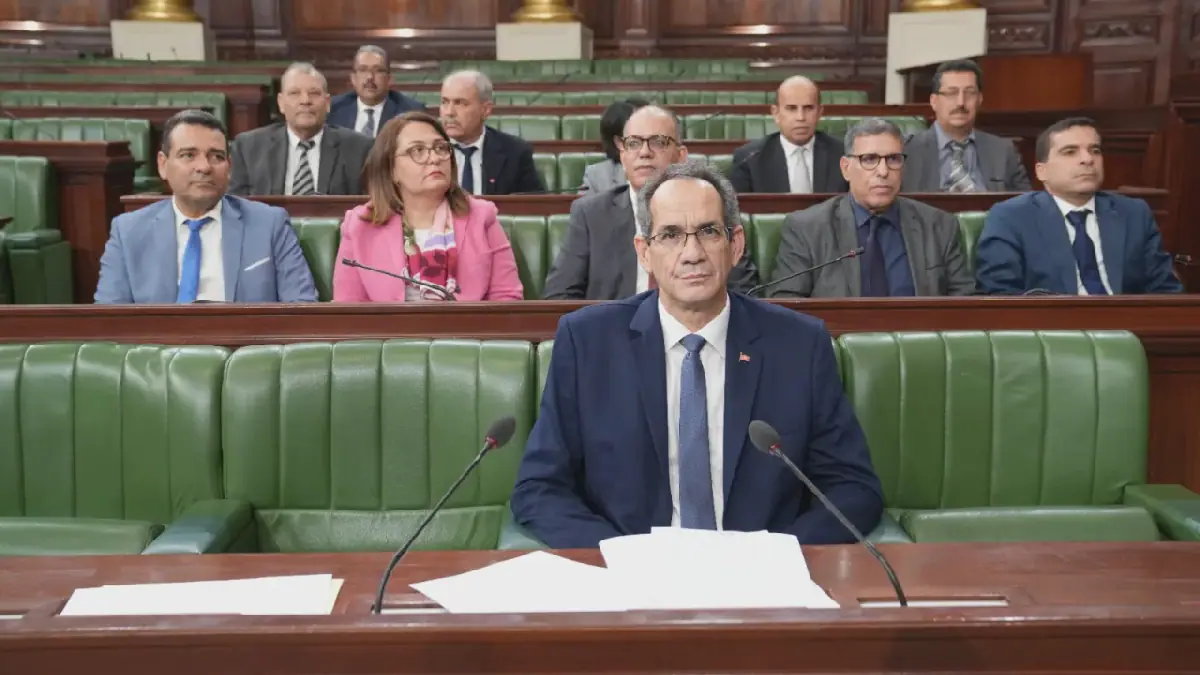
Tunisian Higher Education and Scientific Research Minister Monther Belaid discussed the role of universities in developing competencies and enhancing employability. He stressed that universities can no longer just focus on transferring knowledge and teaching sciences. Instead, they must play a broader role in instilling a culture of initiative and innovation among students. This involves encouraging students to develop and implement their own projects.
Minister Belaid highlighted the Ministry's efforts to support this new role. The Ministry has been working on training trainers and is currently updating the "Student Entrepreneur" system. This system aims to increase students' chances of engaging in economic initiatives and turning their ideas and projects into tangible opportunities. By doing so, the Ministry seeks to bridge the gap between academic education and the job market.
The Minister also discussed the state of the PhD system in Tunisia. The Ministry has conducted a comprehensive diagnosis of the system to identify its main shortcomings and challenges. This analysis will help pinpoint areas that require reform and development. The goal is to improve the quality of education and research, making them more relevant to economic and social needs.
According to Minister Belaid, the ongoing reforms in the higher education and scientific research sector are part of a long-term strategic vision. This vision aims to improve the quality of education, develop the research system, and enhance its ability to keep pace with economic, social, and technological changes. The reforms are designed to meet the needs of the labor market and society.
The Minister emphasized that the reforms are not just temporary measures or piecemeal solutions. Rather, they are part of a continuous national policy aimed at elevating the quality of education and research. This policy seeks to create a more dynamic and responsive education system that prepares students for the challenges of the modern economy.
The evolution of the university role in Tunisia reflects a broader trend in the Arab world. Many countries are rethinking their education systems to make them more relevant to the needs of the labor market. In Tunisia, this process involves not only updating curricula but also fostering a culture of innovation and entrepreneurship among students.
The Tunisian government's efforts to reform the education system have been ongoing for several years. The goal is to create a more competitive and responsive system that can produce graduates with the skills and knowledge needed to succeed in the modern economy. The reforms are expected to have a positive impact on the country's economic development and social progress.
Key points
- The Tunisian government is working to update the education system to make it more relevant to the needs of the labor market.