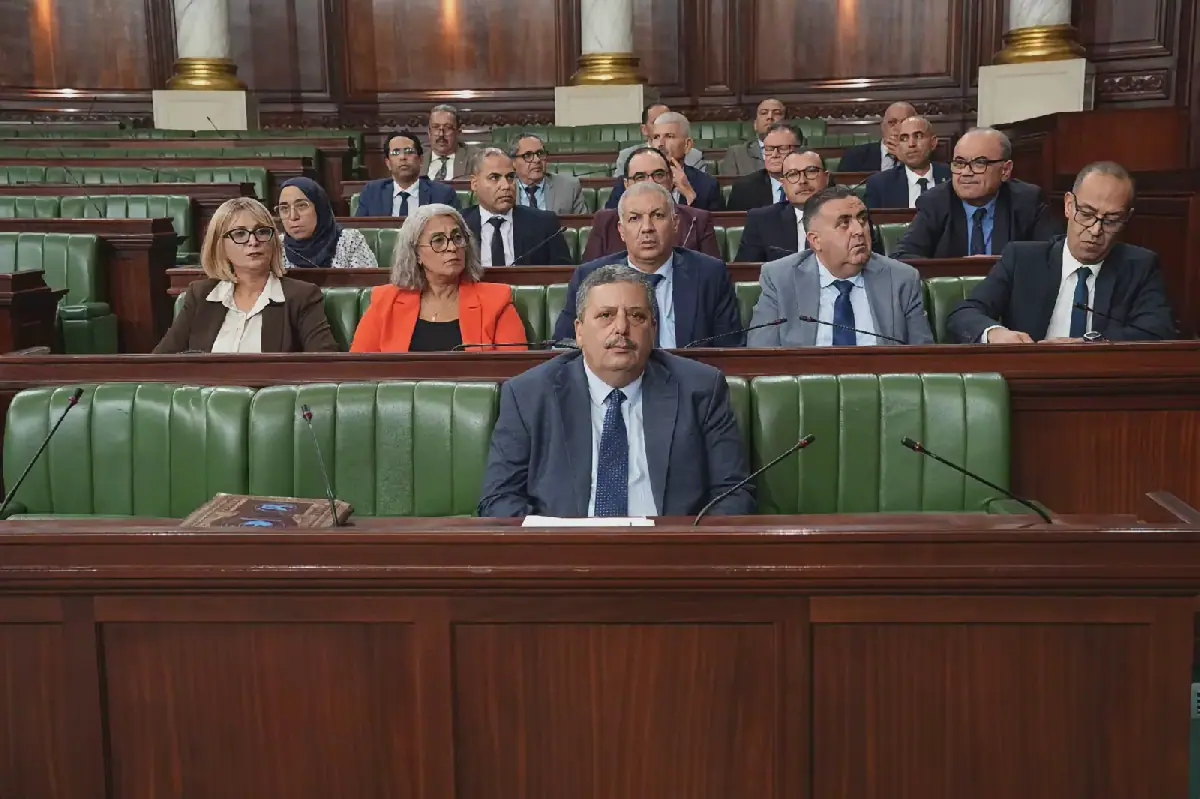
Tunisian Minister of Education, NurEddine Nouri, has stressed that reforming the country's education system requires a comprehensive national project that goes beyond reviewing programs and school hours. During a discussion on the ministry's budget for 2027, Nouri highlighted that the strategic vision of the ministry aims to revive public schools and restore their attractiveness. He added that the education sector is a top priority, despite the financial constraints that require rationalizing expenses while maintaining the quality of educational services.
Nouri acknowledged that many educational institutions are in need of urgent interventions and comprehensive maintenance. However, he noted that maintenance work has progressed by 50% over the past two years. The ministry is working to move from reactive to preventive maintenance, with projects underway in various governorates. Nouri explained that comprehensive maintenance projects cannot be completed in a short timeframe, as they require diagnosis, technical studies, and coordination with engineers and contractors.
The minister emphasized that reforming the education system is a long-term national project that involves various sectors, including education, vocational training, employment, and higher education. The Higher Council for Education has begun working on a national vision that focuses on national sovereignty, critical thinking, social integration, and openness to the world. This vision aims to build a generation that takes pride in its national identity and has the ability to think critically.
To improve school life, the ministry plans to review school schedules, reduce idle hours, and ban the use of mobile phones in classrooms. This will help students regain their focus and thinking space. Regarding school dropout rates, Nouri discussed efforts to establish a database to monitor at-risk students, provide necessary support, and develop school life to encourage reintegration.
Nouri also addressed the issue of drug trafficking around educational institutions, noting that the presence of large numbers of students outside schools provides a market for dealers. He justified the ministry's decision to restrict students from staying outside school premises during idle hours. The minister emphasized that raising children is not solely the responsibility of schools, but a shared responsibility that requires the involvement of families and the social environment.
The ministry is working to resolve outstanding professional files, particularly those related to precarious employment situations. Nouri acknowledged that some issues are linked to external recruitment competitions, including those related to inspectors and teachers. He also touched on the situation of contract teachers who are not registered in the database, citing shared errors between regional delegations and those concerned.
The Ministry of Education's budget for 2027 stands at 9.184 billion dinars, exceeding 9 billion dinars for the first time and representing 19.1% of the state's budget. The minister's comprehensive reform plan aims to address the challenges facing the education system and provide a better learning environment for students.
Key points
- The plan involves a comprehensive national project to reform the education system.
- The project focuses on national sovereignty, critical thinking, and social integration.
- The Ministry's budget for 2027 is 9.184 billion dinars.