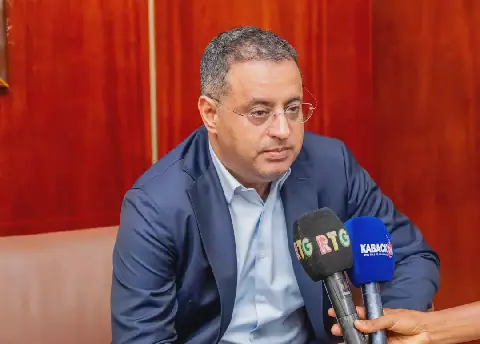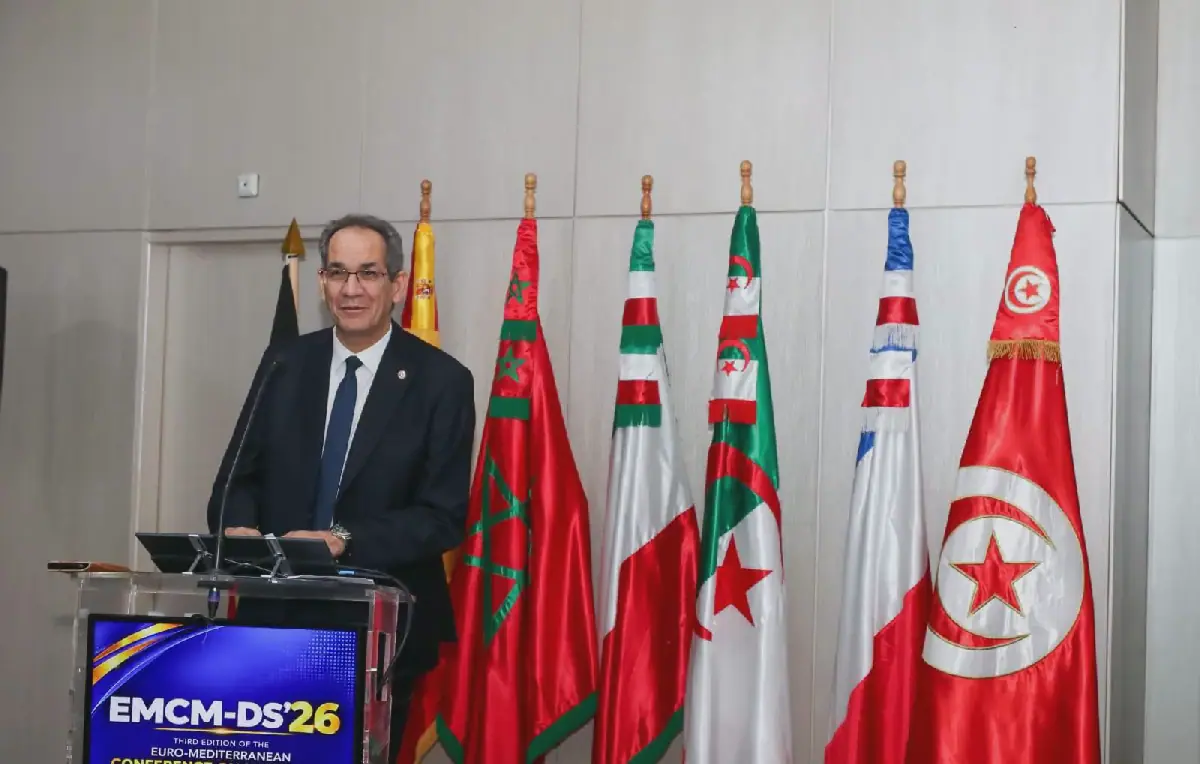
Tunisian Higher Education and Scientific Research Minister Monther Belaid has underscored the significance of microelectronics in shaping the country's economic and industrial future. Speaking at the opening of the third Euro-Mediterranean Scientific Conference on Microelectronics and Nanotechnology, Belaid emphasized the pivotal role of microelectronics in digital and environmental transformation. He noted that microelectronics offers high added value in strategic sectors such as digital health, renewable energy, and smart agriculture.
Belaid highlighted the need to develop sustainable electronics that are more environmentally friendly. This can be achieved by adopting manufacturing processes that consume less energy, rationalizing the use of natural resources, and improving waste management. The Minister stressed that Tunisian universities and engineering schools are annually producing highly qualified graduates in promising fields, including embedded systems and the Internet of Things. These young professionals are seen as the backbone of Tunisia's future, driving innovation in the years to come.
The Minister also pointed to the Research Center in Microelectronics and Nanotechnology in Sousse as a multidisciplinary institution playing a crucial role in training and research. The center is set to be equipped with a dedicated room for scientific research and training, as well as design tools and software for microelectronics. The center's expansion is expected to enhance its collaboration with the economic and social environment.
The Euro-Mediterranean Scientific Conference, taking place from October 28 to 30, 2026, in Sousse, is organized by the National Institute of Applied Sciences and Technology. The event brings together students, experts, researchers, and Ph.D. students from the Euro-Mediterranean region to exchange scientific and technological experiences. The conference aims to foster cooperation in advanced scientific and technological fields, including artificial intelligence and microelectronics.
The conference is a collaborative effort between the University of Carthage and the French University of Grenoble Alpes. It is attended by high-level officials, including Sousse Governor Sufian Tannouri and University of Carthage President Nadia Mzoughi Aguir. The event provides a platform for participants to share knowledge and explore opportunities for collaboration.
Minister Belaid's emphasis on microelectronics is aligned with Tunisia's efforts to drive economic growth through innovation and technological advancement. The country's higher education and research institutions are expected to play a vital role in this endeavor. The government's focus on developing strategic sectors such as renewable energy and digital health is expected to create new opportunities for growth and development.
The conference concludes with expectations of strengthened partnerships and new initiatives in microelectronics and related fields. The participation of students, researchers, and industry experts is seen as a positive step towards achieving Tunisia's goals in the field of microelectronics. The country's future in this sector appears promising, with a strong foundation of human capital and institutional support.
Key points
- Microelectronics is a key driver for Tunisia's economic and industrial future.
- The Research Center in Microelectronics and Nanotechnology in Sousse is set to play a crucial role in training and research.
- The Euro-Mediterranean Scientific Conference aims to foster cooperation in advanced scientific and technological fields.