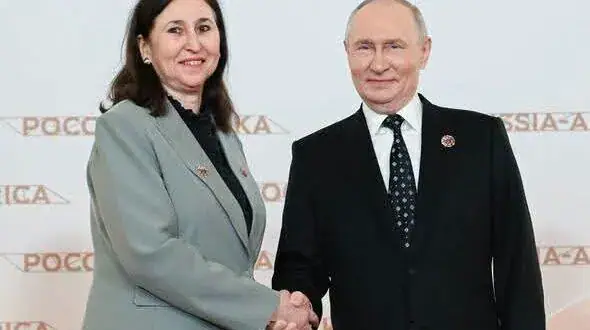
A recent visit by Tunisia's Prime Minister to Russia has sparked controversy and debate back home, with some critics focusing on her modern and respectful attire. In response, media personality Samir Al-Wafi took to social media to express his disapproval of these criticisms, labeling them as attempts to divert attention from the real issues at hand. He argued that such superficial comparisons are not only misguided but also undermine the accomplishments of the visit.
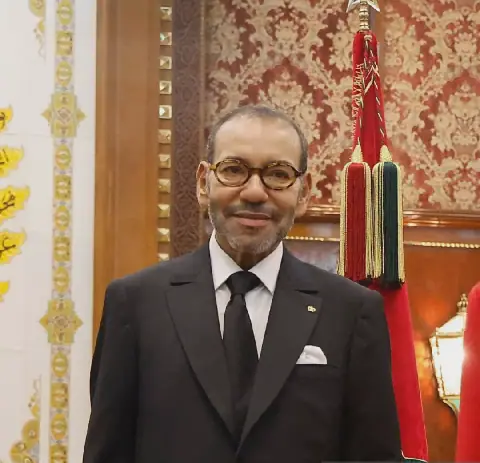
Al-Wafi pointed out the hypocrisy in the criticism, citing the example of Morocco's Prime Minister, who wore a traditional Takchita during her visit to Russia. Despite her traditional attire, she delivered her official speech in French, abandoning her country's official language. In contrast, other heads of Arab and international delegations addressed the gathering in their native languages. This, according to Al-Wafi, highlights the disparity between symbolic gestures and genuine commitment to national identity.
The media figure emphasized that true national identity extends beyond symbolic expressions, such as traditional clothing or protocol appearances. Instead, it is measured by a leader's political effectiveness, the tangible outcomes of their diplomatic engagements, and their representation of their country's values and culture. He stressed that wearing traditional attire or any other clothing loses its significance when it contradicts the fundamental components of national sovereignty.
Al-Wafi's comments reflect a broader conversation in Tunisia about the role of national identity in politics and international relations. The debate underscores the challenges faced by leaders in balancing cultural heritage with modernity and diplomatic protocol. As Tunisia continues to navigate its complex relationships with other nations, the discussion around national identity and its expressions is likely to persist.
The controversy surrounding the attire of government leaders during international visits raises questions about the significance of cultural and traditional expressions in diplomatic settings. While some argue that traditional clothing is an essential aspect of national identity, others contend that it is the leader's actions, policies, and ability to represent their country's interests that truly matter.
The incident has also sparked discussions about the role of women in leadership positions and the scrutiny they face regarding their appearance and behavior. As Tunisia and other countries continue to grapple with issues of identity, culture, and diplomacy, the conversation around these topics is expected to evolve and become increasingly nuanced.
Ultimately, the debate surrounding the attire of Tunisia's Prime Minister during her visit to Russia serves as a microcosm for the broader discussions taking place in the country and beyond. As leaders navigate the complexities of international diplomacy and national identity, they must balance competing demands and expectations while remaining committed to their country's values and interests.
Key points
- Samir Al-Wafi criticizes double standards in criticisms of Tunisia's Prime Minister attire during Russia visit
- Debate highlights challenges of balancing national identity with modernity and diplomatic protocol
- Controversy raises questions about significance of cultural expressions in diplomatic settings