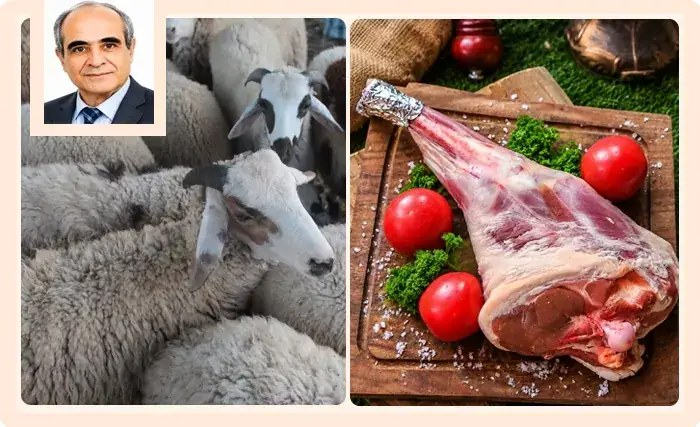
In recent weeks, Tunisian consumers have witnessed a notable decrease in meat prices, particularly for lamb. The price per kilogram has dropped to between 40 and 45 dinars, sometimes even lower, in several cities. This represents a significant decline from the 60 to 65 dinars per kilogram seen in certain regions just a short time ago. The decrease in lamb prices is accompanied by a similar trend in beef and, to a lesser extent, white meats such as chicken and turkey, as well as eggs.
The sudden drop in meat prices has sparked a mix of reactions among citizens. On one hand, the decrease is welcomed by consumers who have been struggling with the high cost of living and have had to adjust their diets accordingly. The reduction in prices is seen as a positive development, especially in a context marked by the erosion of purchasing power. However, behind this trend lie several questions about its causes and implications. The decrease in prices has occurred at the start of the agricultural season, with stable feed costs for livestock and unchanged production costs for farmers.
Several factors are thought to contribute to the decline in meat prices. The interventions of public authorities to improve market supply and control margins may have played a role in reducing prices. Additionally, imports of animals and red meat, as announced for 2026, could have complemented the national offer and helped ease market tensions. However, the volumes concerned seem insufficient to explain the scale of the observed decrease on their own. Another possibility is that farmers are selling animals early, particularly those that are already well-fattened, to limit feed costs.
The hypothesis of clandestine imports of sheep from neighboring countries, such as Libya and Algeria, has been mentioned but lacks concrete evidence. Algeria itself has had to resort to significant imports to meet its domestic demand, making it unlikely that substantial quantities are being smuggled into Tunisia. Meanwhile, rumors attributing the price drop to an increase in animal diseases, such as the blue tongue disease, have not been confirmed by official sources. The Tunisian authorities conduct strict veterinary and sanitary controls on animals slaughtered in authorized circuits.
A more plausible explanation for the decline in meat prices, albeit a concerning one, is the economic fragility of farmers. Faced with high feed costs, climate uncertainties, and cash needs, some breeders find themselves forced to choose between keeping their animals and incurring high expenses or selling them, even at unprofitable prices. This situation can lead to a decrease in the national herd, which would not indicate an improvement in supply but rather a weakening of future production capacities.
The decrease in meat prices could also be attributed to a decline in consumer demand. Tunisian households have been under constant pressure due to rising living costs, including housing, transportation, energy, healthcare, education, and food. Meat often represents one of the first adjustments made in the family budget. The cultural significance of lamb in Tunisia means its price is a good indicator of household economic health. When lamb becomes unaffordable, families tend to opt for beef or poultry. If white meats also experience a drop in demand, it may indicate a general decline in the consumption of these food products.
Ultimately, the adaptation of consumers to changes in food prices is a rational behavior. When certain protein sources become more accessible, consumers adjust their choices accordingly. The availability of substitute products, such as fish and seafood, which have recently seen significant price drops, can divert part of the demand away from meat. This behavior is normal and reflects the dynamic nature of consumer preferences in response to market conditions.
Key points
- The drop in meat prices in Tunisia may be attributed to a combination of factors, including public interventions, imports, and changes in consumer behavior.
- The economic fragility of farmers, leading to the sale of livestock at low prices, is a concerning explanation for the price drop.
- The trend may indicate a weakening of the country's future production capacities in the agricultural sector.