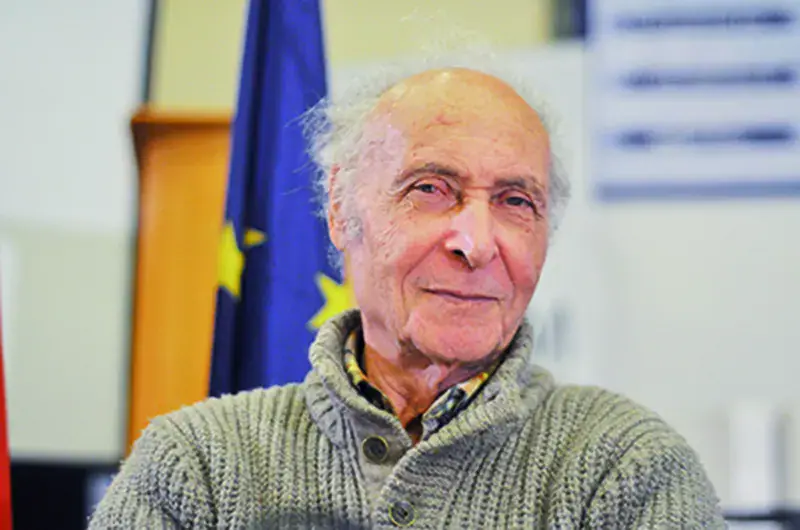
A recent media report has shed light on the story of a Tunisian man who joined the Russian army as a volunteer. In a conversation with his mother, he said, "Cry, mother, I am not crying, I am a soldier." This dramatic exchange has sparked discussions about the circumstances that led him to take such a path. The report suggests that the young man's decision was influenced by his difficult living conditions, including poverty and lack of job opportunities.
The story highlights the plight of many young people in Tunisia who are forced to seek employment abroad due to the country's high unemployment rates. The Tunisian man's decision to join the army was likely driven by a desire to escape the poverty and unemployment that he faced at home. His story is not unique, as many young people from disadvantaged backgrounds are lured by the promise of employment and a better life abroad.
The concept of mercenary work raises important questions about ethics and politics. Unlike those who fight for their country out of conviction, mercenaries are motivated by financial gain. This can lead to a situation where they are more likely to desert if a better opportunity arises. The Tunisian man's story highlights the complexities of this issue and the difficult choices that many people face.
The idea of fighting for one's country out of conviction is often associated with the concept of "namoutou, namoutou wa yahyal watan," or dying for one's country. This mindset is driven by a sense of patriotism and duty, rather than financial gain. In contrast, mercenaries are often seen as being driven by self-interest and a desire for profit.
The story of the Tunisian man has sparked discussions about the role of mercenaries in conflict zones. Some have argued that mercenaries play a useful role in providing security and military services, while others see them as opportunistic and unprincipled. The issue is complex and multifaceted, and there are valid arguments on both sides.
The concept of Epicureanism, an ancient Greek philosophy, offers an interesting perspective on the issue of mortality and the human condition. According to Epicurus, the fear of death is irrational and can be overcome through the pursuit of happiness and the avoidance of pain. This philosophy offers a unique perspective on the human condition and the nature of mortality.
The story of the Tunisian man serves as a reminder of the complexities and challenges faced by many young people in Tunisia and around the world. It highlights the need for a nuanced understanding of the issues surrounding mercenary work and the human condition. By examining these issues in a thoughtful and balanced way, we can gain a deeper understanding of the world around us and the people who inhabit it.
Key points
- The Tunisian man's story highlights the plight of those seeking employment abroad due to poverty and unemployment.
Reporting sources
- Mercenaire · realites.com.tn