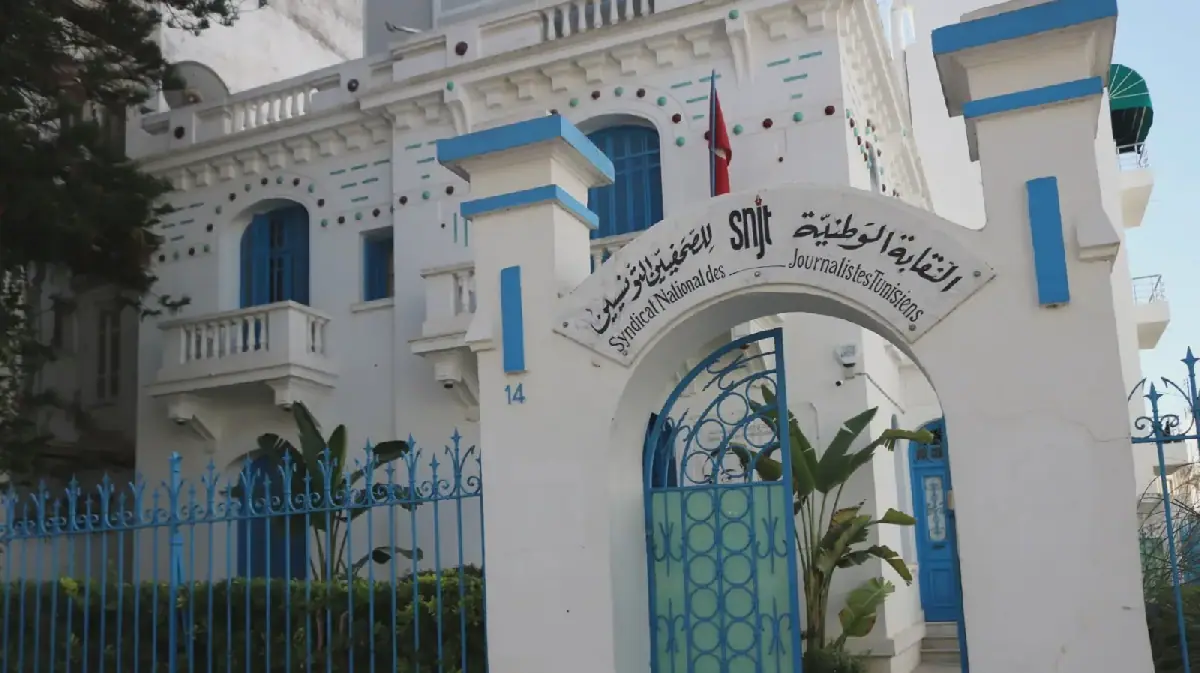
The Tunisian Journalists' Union has reported a significant increase in attacks on journalists in the country. According to the union's president, Ziad Dbar, 154 attacks were recorded between September 1, 2025, and August 2026. This represents a rise from 149 attacks during the same period the previous year. The attacks were documented during a conference organized in the capital city to mark the International Day to End Impunity for Crimes against Journalists.
Official parties were responsible for 95 of the attacks, Dbar said. He added that the situation for journalists in Tunisia is becoming increasingly difficult, with many facing pressure that could impact their ability to produce quality content. The union's president also warned about the ongoing incitement against journalists on digital platforms, stating that attacks on journalists are, in essence, attacks on the public's right to professional and ethical media services.
The conference, attended by various stakeholders in the media and legal sectors, aimed to discuss ways to address the issue of impunity for crimes against journalists. Roieda Al-Haj, representative of the UN High Commissioner for Human Rights in Tunisia, emphasized the importance of a free and independent press in facilitating public debate for the benefit of citizens. She noted that when journalists are harassed, it constitutes an attack on knowledge and highlighted the ongoing challenges faced by journalists in Tunisia.
Al-Haj also mentioned that the UN Human Rights Committee had expressed concerns about certain legislative laws and recommended reviewing relevant texts related to freedom of expression. Meanwhile, Naji Al-Bagouri, program coordinator for media and communication at the UNESCO office in Tunisia, considered the restrictions on journalists to be a form of exclusion, preventing citizens from participating in public affairs.
According to UNESCO reports, there has been an increase in the number of journalists being arbitrarily detained regionally and internationally. Al-Bagouri also noted that attacks on journalists have evolved to include threats on social media, with over 73% of female journalists facing online harassment, 20% of which translates into real-life attacks.
UNESCO statistics revealed that only one in ten cases of attacks on journalists results in accountability, with the majority going unpunished. Al-Bagouri called for the state to take responsibility for protecting journalists and reducing violations. The conference discussed various topics, including the role of professional structures and institutions in promoting accountability and the need for mechanisms to end impunity.
The Tunisian Journalists' Union and other stakeholders are advocating for greater protection and support for journalists in the country. The issue of impunity for crimes against journalists remains a pressing concern, with many cases going unreported or unresolved. Efforts to address this issue and ensure a safer environment for journalists are ongoing.
Key points
- The Tunisian Journalists' Union reported 154 attacks on journalists between September 2025 and August 2026.
- Official parties were responsible for 95 of the attacks.
- UNESCO statistics show that only one in ten cases of attacks on journalists results in accountability.
Reporting sources
- Établissement de la Radiodiffusion-Télévision Tunisienne · Établissement de la Radiodiffusion-Télévision Tunisienne