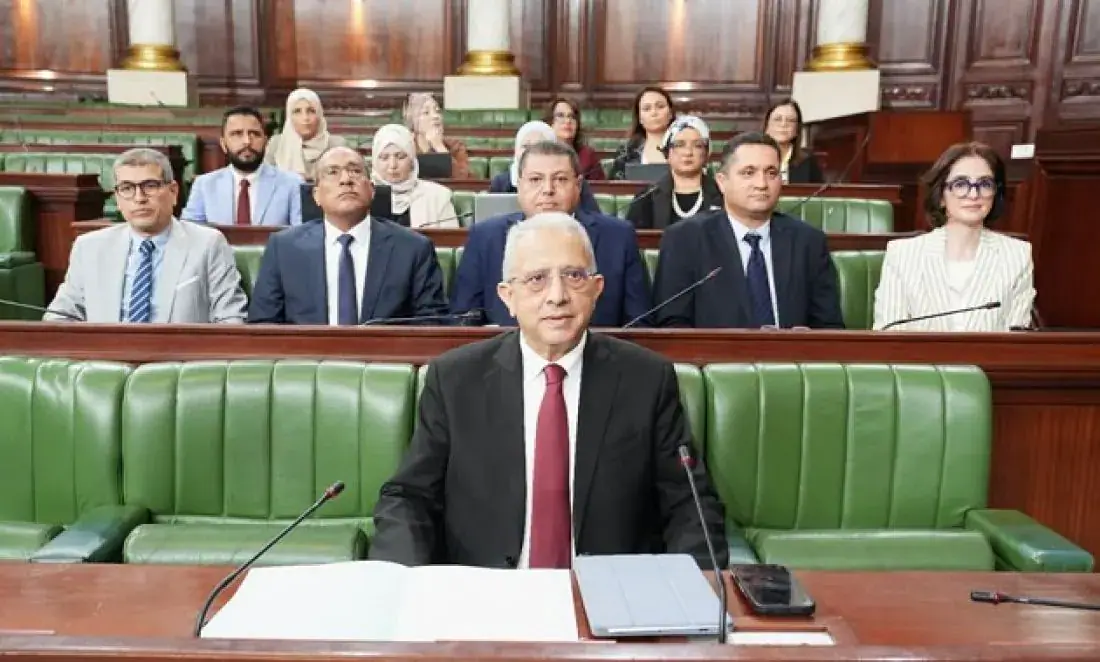
Tunisian Health Minister Mustafa Al-Ferjani recently addressed the country's parliament to discuss the 2027 budget and plans for the healthcare sector. He emphasized the importance of the healthcare sector, which is directly linked to citizens' right to treatment and a dignified life. The minister stressed the need to continue reforming the healthcare system, focusing on justice, fairness, and development of care, prevention, governance, and digitization.
Minister Al-Ferjani highlighted several key achievements in 2026, including the establishment of new healthcare facilities and the improvement of existing infrastructure. A new hospital in Sbeitla was opened in June 2026, along with a cardiology department in Tataouine and a maternity and pediatric center in Banzart in September 2026. Additionally, 36 new university departments were established in regional hospitals, and several emergency and intensive care units were completed and equipped.
The minister outlined several priorities for the healthcare sector, including improving access to healthcare services, enhancing the supply of medicines, and maintaining medical equipment. He also emphasized the need to support medical and paramedical staff and improve the quality of services and patient care. Furthermore, he mentioned plans to establish 9 new basic health clusters and enhance the role of family doctors and mental health services.
In the area of primary healthcare, Minister Al-Ferjani reported that 2400 cataract surgeries had been performed across the country. He also noted that 6 basic health centers and 4 local hospitals had obtained accreditation as part of efforts to improve the quality of healthcare services. The ministry has also implemented a program to update medical equipment, with a budget of 239 million dinars, which includes the purchase of 13 cardiac catheterization machines.
The minister announced plans to recruit 4000 new healthcare workers in 2027, as well as regularize the status of contract and casual workers and health assistants. He also mentioned that 1600 health assistants would be recruited to support human resources and bolster the paramedical staff in healthcare facilities. Additionally, he reported that the ministry was working to improve the management of medical waste and had launched a platform called "Najda" to intervene in cases of cardiac arrest.
Minister Al-Ferjani emphasized the importance of digital transformation in the healthcare sector, citing the development of the digital hospital project and the availability of remote medical imaging services for 30 hospitals. He also noted that 162,000 scanning operations had been performed remotely and that the ministry was working to link 10 million local health identifiers to the national identifier.
The minister concluded by highlighting the importance of medical tourism and the export of healthcare services, citing the fact that Tunisian healthcare facilities had received around 58,000 foreign patients from 147 nationalities. He emphasized the need to develop healthcare services for visitors and enhance the sector's contribution to the national economy.
Key points
- The Tunisian government plans to recruit 4000 new healthcare workers in 2027.
- The ministry aims to improve access to healthcare services and enhance the quality of patient care.
- The sector will see significant investments in medical equipment and infrastructure.
Reporting sources
- Jawhara FM · Jawhara FM