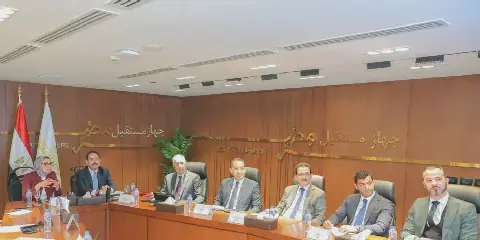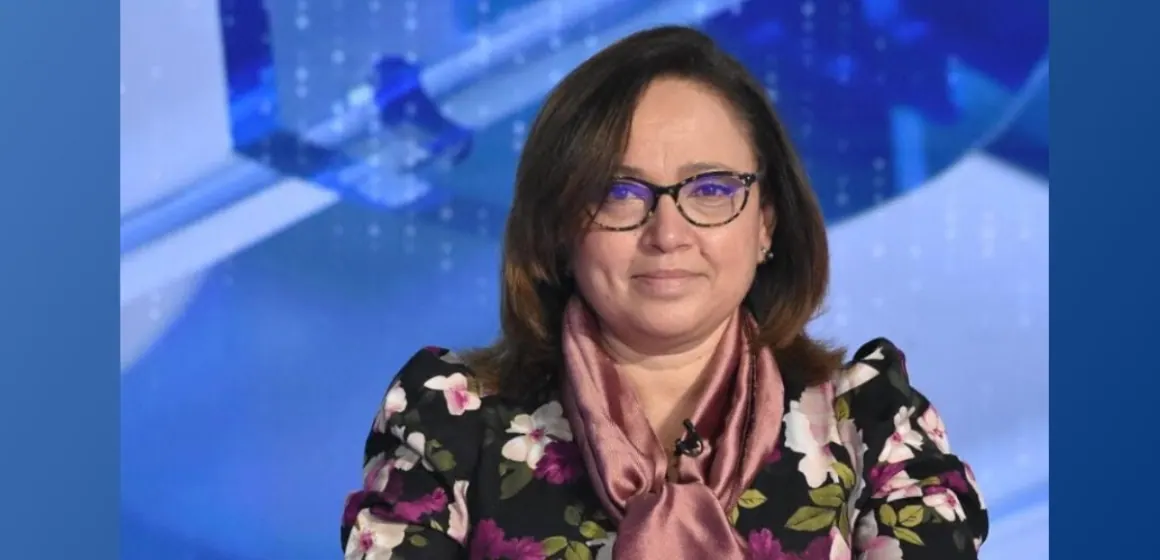
On September 28, 2026, Pr Nissaf Ben Alaya, a Tunisian health expert, issued a strong denial of a video circulating on social media that used his image and voice to promote a purported treatment for prostate cancer. The video, generated using artificial intelligence, was created by manipulating old images of Pr Ben Alaya, particularly from the COVID-19 pandemic period, and associating them with fabricated voice or statements.
Pr Ben Alaya emphasized that he had no involvement in the creation or dissemination of the video, and he did not authorize the use of his image, voice, or previous interventions for commercial purposes. He expressed concern about the potential harm caused by such technological manipulations, which can mislead the public, damage individuals' reputations, and pose real health risks by promoting unproven or fake medical treatments.
The deepfake video was designed to appear as though Pr Ben Alaya was endorsing a specific medication for prostate cancer treatment. However, he categorically denied any connection to the product or the promotional content. Pr Ben Alaya stressed that as a healthcare professional, he has never and will never engage in advertising for any medication or health product.
Pr Ben Alaya drew attention to the broader implications of AI-generated content, highlighting the importance of responsible use of such technologies. While AI can be beneficial in many areas, its application in creating fake statements or endorsements from health experts can have severe consequences. He urged the public to exercise vigilance and not to consider the statements in the video as his genuine words.
The renowned health expert called on social media platforms and competent authorities to take necessary measures to identify and remove such fraudulent content. He emphasized that AI should not be used to attribute false statements to individuals, particularly in matters concerning health and citizens' lives.
Pr Ben Alaya reiterated that he has never recommended the product featured in the video and has not given permission for the use of his image or voice for advertising purposes. His statement aims to alert the public to the potential dangers of AI-generated deepfakes and to prevent the spread of misinformation.
The incident involving Pr Nissaf Ben Alaya highlights the growing concern over the misuse of AI technology to create convincing but false content. As AI-generated deepfakes become increasingly sophisticated, experts and authorities must work together to develop effective strategies for detecting and mitigating their impact, particularly in sensitive areas such as healthcare.
Key points
- Pr Nissaf Ben Alaya warns public about AI-generated video promoting fake prostate cancer treatment
- The video used old images of Pr Ben Alaya, particularly from the COVID-19 pandemic period
- Pr Ben Alaya calls for vigilance and action from authorities to address AI-generated deepfake content