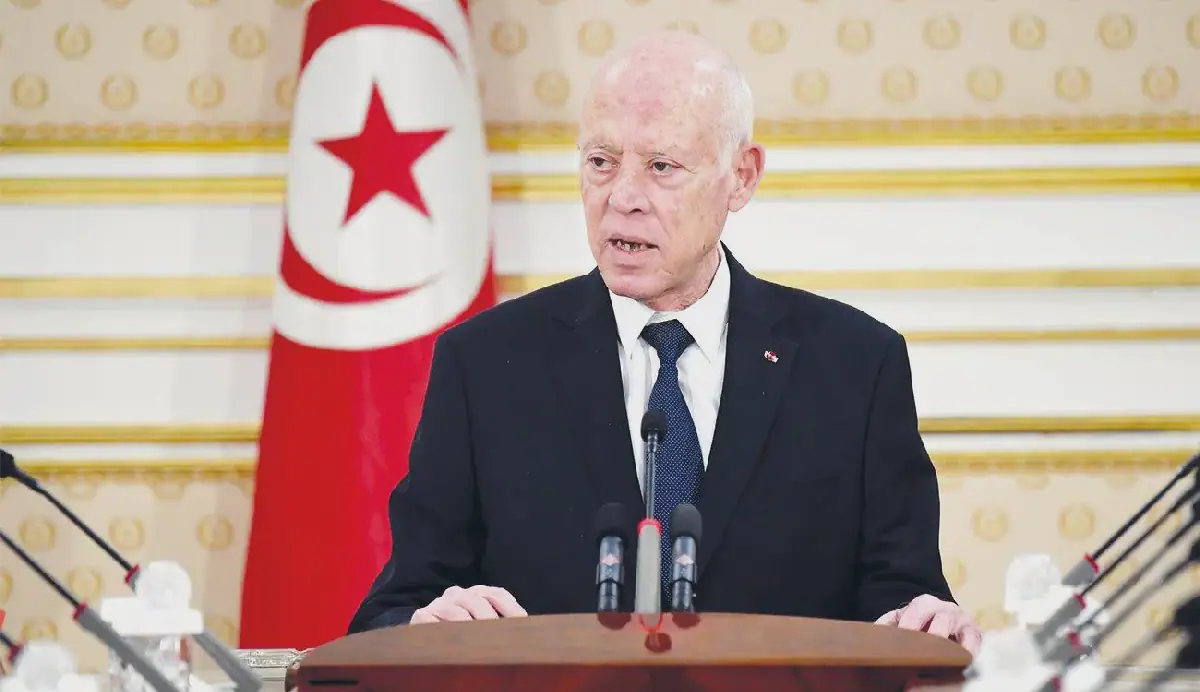
The Tunisian government has made a significant commitment to addressing accumulation, speculation, and monopolistic practices in its budget discussions for 2027. According to a report by La Presse de Tunisie, the country's President, Kaïs Saïed, has emphasized the need for sustained control over markets to tackle these issues. This move aims to protect the purchasing power of citizens and maintain economic stability. The President has regularly stressed the importance of continuous monitoring and control to prevent dysfunctional distribution circuits.
A plenary session was held on November 20 to discuss the "Commerce and Development of Exports" mission within the 2027 state budget project. The session focused on addressing accumulation, speculation, and monopolistic practices, as well as supply chain disruptions. Deputies called for increased human and logistical resources for economic control agents, particularly in regional areas, and improved stock monitoring and transparency. These measures aim to enable rapid intervention in case of market tensions and prevent speculative practices from disrupting supply.
President Saïed has consistently highlighted the need for intensified control operations and increased presence of control teams on the ground. This approach seeks to address not only the control of traders but also the broader implications of accumulation and speculation on prices, purchasing power, and citizens' living conditions. The President's emphasis on sustained control reflects a shift from sporadic control campaigns to a continuous effort to combat these issues.
The digitalization of wholesale markets and the implementation of electronic invoicing are key components of the government's strategy. The Ministry of Commerce and Export Development, in coordination with the Tunisian Wholesale Markets Company, is working to establish digital systems for better tracking of transactions and commodity flows. This initiative aims to reduce opacity in distribution circuits, facilitate control services, and enhance transaction transparency.
The digitalization process is expected to improve the monitoring of product movements, stock levels, and commercial operations. By extending this system to other regional markets, the government hopes to reduce speculation, monopolistic practices, and informal intermediation. Additionally, digitalization is seen as a tool to combat tax evasion and provide more reliable information on prices and available supply.
Deputies have also emphasized the need to reduce the number of intermediaries and promote direct sales from producers to consumers. They have called for better conditions for farmers and small fishermen to market their products. In a meeting on November 6, President Saïed discussed concrete measures to defend purchasing power, including strengthened control of distribution circuits and protection of producers from excessive margins.
The government has already initiated judicial proceedings against major operators involved in accumulation and speculation. President Saïed has reiterated the principle of strict application of the law to address these issues. The authorities aim to ensure better anticipation of needs, constitution of strategic stocks, and reinforcement of the regulatory stock to mitigate supply disruptions and price tensions.
Key points
- The Tunisian government is prioritizing the control of accumulation, speculation, and monopolistic practices to protect citizens' purchasing power and maintain economic stability.
Reporting sources
- Débats budgétaires : L’accaparement et la spéculation au cœur des préoccupations de l’État · La Presse de Tunisie