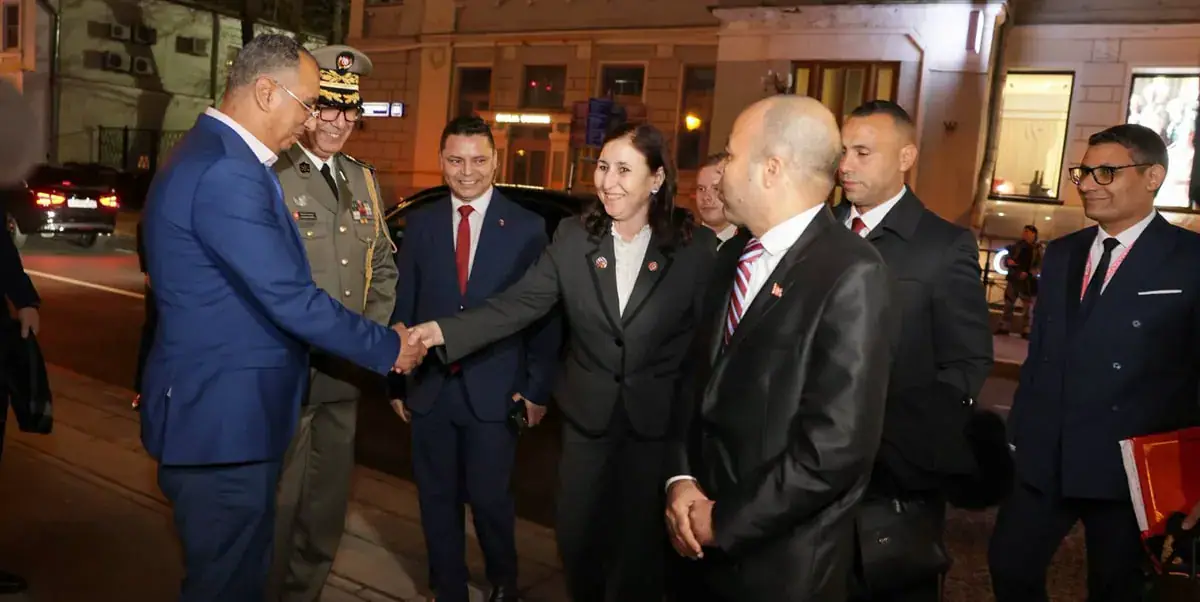
On October 29, 2026, Tunisian Prime Minister Sarra Zaafrani Zenzri met with members of the Tunisian community in Russia at the Tunisian embassy in Moscow. The meeting was attended by Foreign Minister Mohamed Ali Nafti and the embassy's chargé d'affaires, Mohamed Mahrez Othman. The discussions focused on the concerns of Tunisians living in Russia and their potential contribution to Tunisia's economic development.
The meeting highlighted the importance of the Tunisian diaspora in Russia, which includes over 2000 students pursuing higher education. According to the Russian Cultural Center in Tunisia, this number only accounts for students and does not reflect the total number of Tunisians residing in Russia. The two countries have a cooperation agreement that includes a scholarship program, with Russia increasing its scholarship quota for Tunisian students from 80 to 110 for the 2026-2027 academic year.
Prime Minister Zaafrani Zenzri emphasized that President Kaïs Saïed is committed to supporting Tunisians living abroad. She highlighted the value of the diaspora's skills and experience, which can be leveraged to drive national development. The government aims to encourage Tunisians abroad to participate in national projects, invest, and start businesses in Tunisia to boost economic activity and create jobs.
During the meeting, Zaafrani Zenzri listened to the concerns and proposals of the community members, assuring them that their input would be followed up on. The government seeks to mobilize the skills and expertise of Tunisians living abroad to support the country's development. This approach is part of a broader effort to strengthen ties between the government and the diaspora.
The meeting also underscored the significance of the Tunisian-Russian relationship, which extends beyond diplomatic and economic ties. The two countries have a strong educational partnership, with many Tunisian students choosing to study in Russia. However, community members also raised practical challenges related to administrative procedures and residency issues.
The Tunisian government has been working to enhance its engagement with the diaspora, recognizing their potential to drive growth and development. By fostering a stronger connection with Tunisians abroad, the government hopes to tap into their expertise and experience to address national challenges.
The Prime Minister's visit to Russia also coincides with Tunisia's efforts to strengthen its international partnerships. The country is seeking to diversify its economic relationships and attract foreign investment. The engagement with the Tunisian diaspora in Russia is seen as a key aspect of this strategy, with the government aiming to encourage investment and entrepreneurship among community members.
Key points
- The Tunisian government is actively engaging with its diaspora in Russia to leverage their skills and expertise for national development.
- Over 2000 Tunisian students are currently pursuing higher education in Russia, highlighting the significance of the educational partnership between the two countries.
- The government aims to encourage Tunisians abroad to participate in national projects, invest, and start businesses in Tunisia to drive economic growth and job creation.