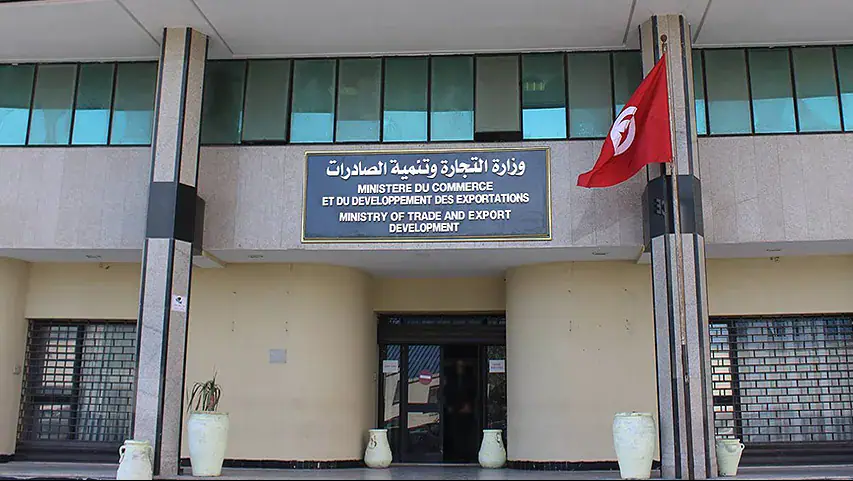
Tunisia's Minister of Trade and Export Development, Samir Oubid, has highlighted the importance of establishing a unified national electronic platform for foreign trade. This initiative is a key priority in implementing the World Trade Organization's Trade Facilitation Agreement. The platform aims to simplify commercial procedures, improve coordination, and facilitate data exchange among stakeholders involved in import, export, and transit operations.
During the third meeting of the National Committee tasked with monitoring the implementation of the agreement, Minister Oubid stressed the need for coordination among public structures and the private sector. He emphasized the importance of monitoring the work of sub-committees related to trade facilitation, supervising the implementation of work programs, and evaluating progress in applying the agreement's provisions and procedures.
Minister Oubid also underscored the need to set national priorities and identify requirements for international support, particularly in technical, institutional, and financial areas. This support is crucial for accelerating the implementation of planned projects and achieving the agreement's objectives, which aim to facilitate trade and enhance the competitiveness of the national economy.
The minister called for the preparation and presentation of Tunisian requests to international partners and donors. He emphasized the importance of adopting a practical and participatory approach that unifies efforts, coordinates, and integrates different stakeholders. The meeting, attended by representatives from various ministries and public structures, as well as private sector representatives, reviewed progress in adopting trade facilitation mechanisms in Tunisia.
The meeting also discussed ways to enhance international support and mobilize necessary resources to implement the agreement. Particular focus was placed on the project to establish a unified national electronic platform for import, export, and transit operations. This platform is expected to improve the efficiency and transparency of trade operations in Tunisia.
The implementation of the Trade Facilitation Agreement is expected to have a positive impact on Tunisia's economy. By simplifying commercial procedures and reducing bureaucratic hurdles, the agreement aims to increase trade volumes and improve the country's competitiveness in the global market. The unified electronic platform will play a key role in achieving these objectives.
The Tunisian government is committed to implementing the Trade Facilitation Agreement and achieving its objectives. The establishment of a unified national electronic platform for foreign trade is a key component of this effort. The government will continue to work with stakeholders to ensure the successful implementation of this initiative and to enhance the competitiveness of the national economy.
Key points
- Establishing a unified national electronic platform for foreign trade is a key priority for Tunisia's government.
Reporting sources
- Établissement de la Radiodiffusion-Télévision Tunisienne · Établissement de la Radiodiffusion-Télévision Tunisienne