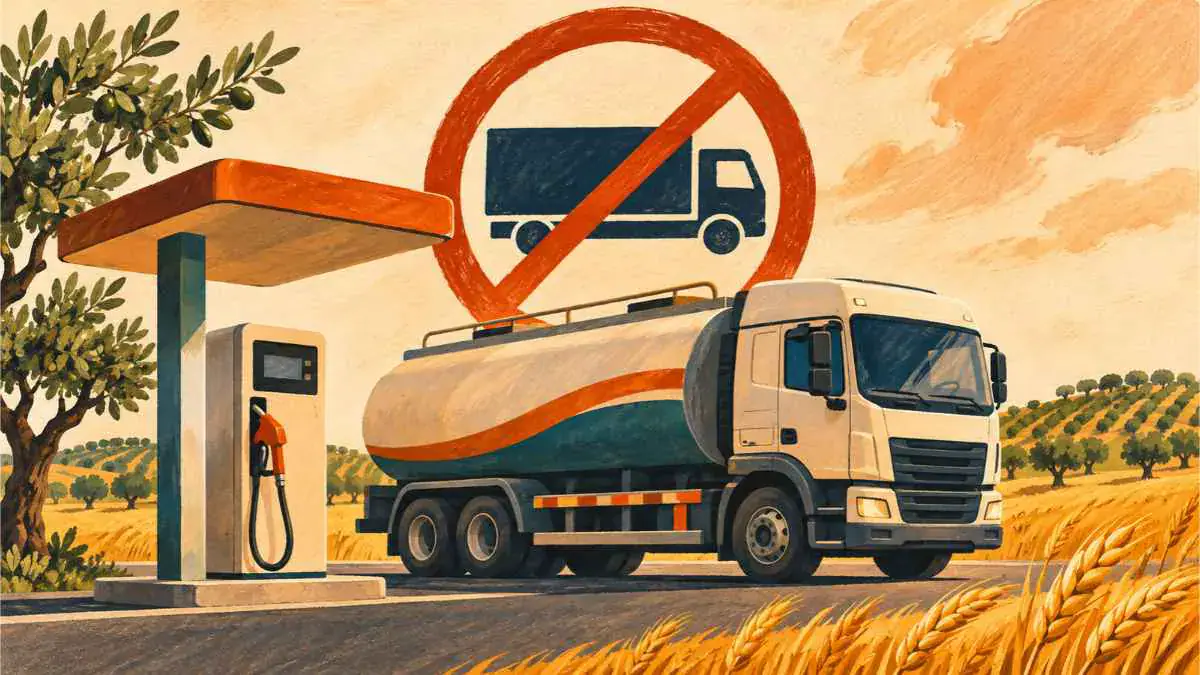
The Tunisian government is bracing for significant developments in several key sectors. A strike notice has been filed by the UGTT union for November 23-25 in hydrocarbon transport companies, potentially disrupting fuel deliveries to service stations. The strike is over the implementation of a 2019 agreement, specifically regarding bonuses and social contributions. While no general closure of service stations is anticipated, the impact will depend on the strike's duration and the level of stockpiling.
In a bid to bolster the agricultural sector, the Ministry of Agriculture has presented a 2027 budget of 2.53 billion dinars, along with 536 new job announcements. The focus is on development and investment, with an emphasis on achieving food security. However, discrepancies have been noted, including a prior document mentioning 1,300 positions, which requires further clarification. The effectiveness of these measures in enhancing production and water management remains a critical question.
Tunisair is set to propose an obligatory loan of 24 million dinars at its November 10 general assembly, without a public appeal for savings. The use of these funds, interest rates, and repayment terms have not been specified. This move comes amid high debt levels, and it is essential to distinguish between planned resources and actual amounts mobilized to assess the cost of this financing.
The Tunisian financial sector is also seeing developments, with the Conseil du Marché Financier (CMF) releasing a report on sustainable finance and environmental, social, and governance (ESG) criteria integration. The report evaluates ESG information disclosed by listed companies and those making public appeals for savings in 2024 and 2025. The CMF urges actors to better incorporate these issues into their decisions and enhance information for investors.
As the country prepares for the COP31 climate negotiations in Antalya, Tunisia is organizing an workshop in Tunis from November 2-4, supported by the UNDP. Around 60 participants will focus on national priorities and coordinate responsibilities. The goal is to strengthen Tunisia's position, particularly regarding climate commitments and access to financing for developing countries.
The fuel sector strike, called by the UGTT, highlights ongoing tensions between the government and labor unions over worker benefits and conditions. The UGTT's actions reflect broader concerns about economic conditions and public sector management. The government's response will be crucial in determining the outcome of these disputes and their impact on the economy.
The upcoming decisions on fuel, agriculture, and Tunisair will have significant implications for Tunisia's economic and environmental policies. The government's ability to balance competing demands, manage public finances, and address social concerns will be under scrutiny. The outcomes will shape the country's development trajectory and its response to global challenges.
Key points
- A strike notice has been filed by the UGTT union for November 23-25 in hydrocarbon transport companies.
- The Ministry of Agriculture has presented a 2027 budget of 2.53 billion dinars and announced 536 new job openings.
- Tunisair plans to propose an obligatory loan of 24 million dinars at its November 10 general assembly.