A Tunisian geologist has revealed that the country's coastline has the potential to absorb over 100% of its carbon dioxide emissions, generating significant revenue through blue carbon storage. According to Walid Ouslati, a geologist at the University of Tunis, the country's coastline absorbs more than 100% of its carbon dioxide emissions, allowing for $171 billion in annual revenue from just one-fifth of its coastline. This is based on calculations of $80 per ton of carbon stored annually.
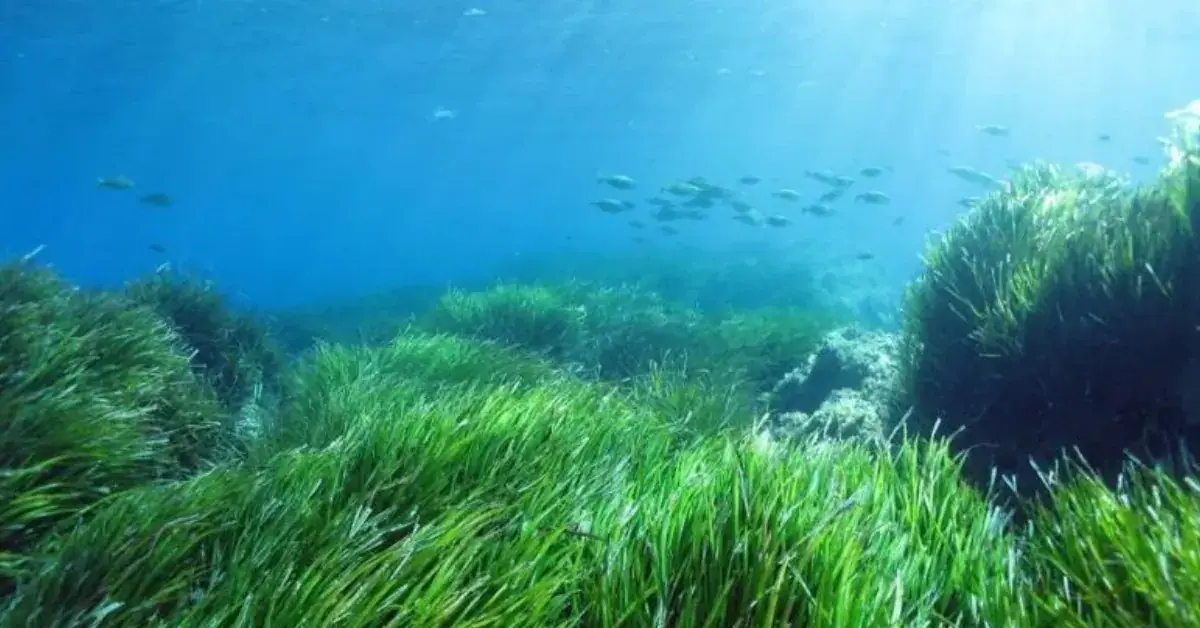
Ouslati's research indicates that marine sediments alone account for 80% of the country's emissions, rising to over 300% when including forests and soil. He made these calculations based on 2021 data and found that even a small portion of the coastline could generate substantial revenue. The country's coastline stretches for 1300 kilometers and features extensive marine ecosystems, including meadows of Posidonia, a plant that stores carbon for millions of years.
The research is part of a larger project called "Blue Stock," which aims to measure blue carbon stocks in marine ecosystems, study biodiversity, and identify priority areas for protection. The project, funded by the Tunisian Ministry of Higher Education and Scientific Research, brings together three Tunisian research laboratories and will run from 2026 to 2028. Researcher Rim Zakhama, a biologist at the University of Tunis, explained that the project will use environmental DNA technology to study biodiversity.
Tunisia's coastline is home to around 1.33 million hectares of Posidonia meadows, which have a significant capacity for carbon storage, three times that of terrestrial forests. However, these ecosystems are under threat, with Zakhama warning of the ongoing loss of Posidonia meadows and salt marshes. She called for the implementation of a draft law to protect these ecosystems and the creation of an updated map of marine habitats.
Ouslati and Zakhama's research highlights the importance of protecting Tunisia's coastline and marine ecosystems, not only for environmental reasons but also for their economic potential. The country's coastline has significant potential for blue carbon storage, which could provide a substantial source of revenue. However, this will require effective conservation and management of these ecosystems.
The Tunisian government has been urged to take action to protect the country's coastline and marine ecosystems, including implementing measures to prevent further loss of Posidonia meadows and salt marshes. The draft law on protecting Posidonia, currently before the Tunisian parliament, is seen as a crucial step in this process. Effective conservation and management of these ecosystems could also help attract funding for blue carbon projects.
The research by Ouslati and Zakhama provides a timely reminder of the importance of protecting Tunisia's coastline and marine ecosystems. With the country's coastline facing ongoing threats, it is essential that effective conservation measures are put in place to preserve these vital ecosystems and unlock their economic potential. The "Blue Stock" project is an important step in this process, providing valuable insights into the country's blue carbon stocks and biodiversity.
Key points
- Blue carbon storage could generate $171 billion annually for Tunisia.