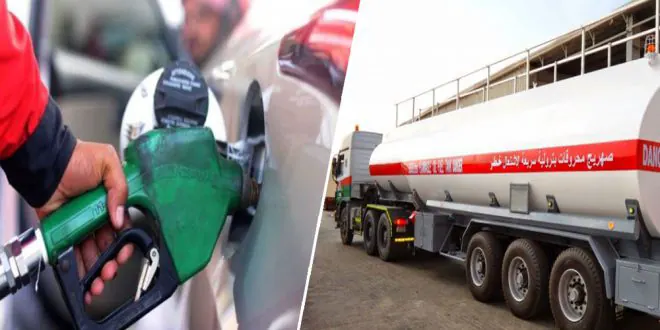
The National Chamber of Dangerous Goods Transport in Tunisia has reported that a significant majority of fuel truck drivers plan to work during a two-day strike scheduled for September 23-24. According to the chamber's head, Fehdi Zouari, between 70-80% of drivers have expressed their intention to work and provide fuel to gas stations during the strike period. This development comes after union calls for a strike, which has raised concerns about fuel shortages.
The decision by a substantial number of drivers to work during the strike is seen as a significant development in the ongoing industrial dispute. Zouari stated that drivers from companies are committed to working on the two strike days and ensuring that fuel is transported to gas stations. He emphasized that contacts with drivers indicate a strong willingness to work and avoid disruptions to fuel supplies.
However, concerns have been raised about the potential for strike-breaking drivers to face obstruction or intimidation from colleagues participating in the strike. In response, Zouari called on the government and interior ministry to ensure the safety and security of drivers who choose to work during the strike. He stressed that guaranteeing their safety is the responsibility of the authorities.
In preparation for the strike, fuel transport companies have taken steps to build up stocks at gas stations. Zouari noted that fuel supplies have continued uninterrupted since Saturday, and many citizens have taken precautions by filling up their vehicles in anticipation of potential shortages. The strike, planned for September 23-24, has sparked concerns about fuel availability and potential disruptions to daily life.
The strike has been called by the union representing fuel transport workers, who are seeking to press for their demands. However, with a significant majority of drivers opting to work, the impact of the strike may be limited. The government's response to the strike and the concerns of fuel transport workers will be closely watched in the coming days.
The situation highlights the challenges faced by Tunisia's fuel transport sector and the delicate balance between meeting the demands of workers and ensuring a stable supply of essential goods. As the strike approaches, all parties involved are keenly aware of the potential consequences of a prolonged dispute.
With the strike set to begin on September 23, the focus is on the potential impact on fuel supplies and the measures being taken to mitigate any disruptions. The authorities and fuel transport companies are working to ensure that fuel is available to meet demand, while also addressing the concerns of workers.
Key points
- 70-80% of Tunisian fuel truck drivers plan to work during a two-day strike.