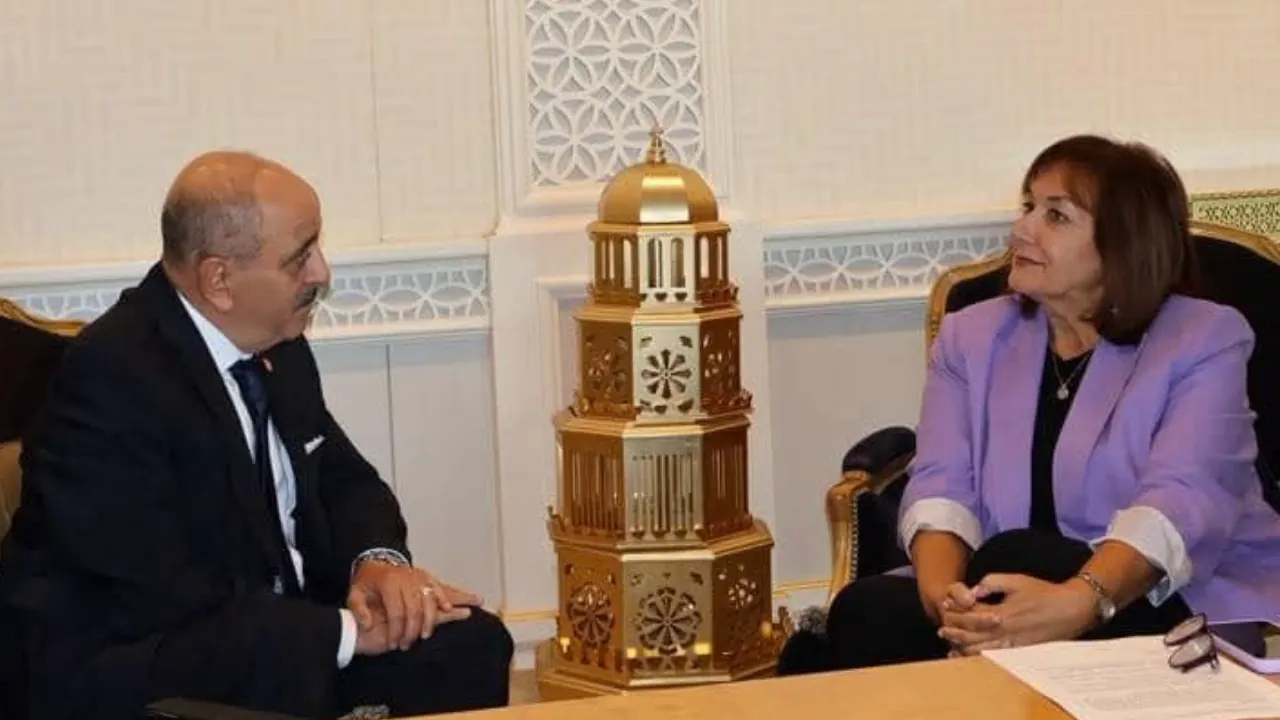
Tunisian Foreign Minister Mohamed Ali Nafti emphasized the need to revise the partnership agreement between Tunisia and the European Union during a meeting with European Commission's Mediterranean Affairs Commissioner Dubravka Šuica in New York on September 24, 2026. The revision aims to make the agreement more realistic and fair, reflecting a genuine and solidarity-based partnership that addresses current changes and better considers the interests and priorities of both parties.
The meeting highlighted the importance of Tunisia-EU relations and the need to further develop them within a balanced partnership based on mutual respect and equality. The partnership should respect Tunisia's sovereignty and national institutions. The two parties discussed the future of Euro-Mediterranean cooperation, with Nafti expressing Tunisia's support for initiatives that promote integration and cooperation in the Mediterranean region.
Nafti stressed the importance of a fair and comprehensive solution to the Palestinian issue, which is essential for establishing security, stability, and joint development in the region. The discussion also touched on migration and mobility, with Nafti reiterating Tunisia's commitment to a comprehensive and balanced approach to migration. This approach prioritizes respecting human rights, addressing the root causes of irregular migration, and combating human trafficking networks.
Šuica acknowledged the requirements for establishing a partnership based on shared interests, respect for sovereignty, and developing dialogue frameworks. She expressed hope that the Tunisia-EU Partnership Council would be the starting point for this relationship. The meeting provided an opportunity for both parties to reaffirm their commitment to strengthening cooperation in various areas, including trade, finance, and scientific programs.
The partnership agreement between Tunisia and the EU has been in place for several years, but Nafti's call for revision reflects Tunisia's desire to reassess the terms of the agreement. The new framework should prioritize the interests of both parties and address emerging challenges. Tunisia is seeking a more equitable partnership that promotes economic growth, social development, and cultural exchange.
Šuica's visit to Tunisia and her meeting with Nafti demonstrate the EU's commitment to strengthening its relations with Tunisia and the broader Mediterranean region. The EU is keen to promote stability, security, and economic development in the region, and cooperation with Tunisia is seen as a key aspect of this strategy. The two parties are expected to continue their discussions to reach a mutually beneficial agreement.
The revised partnership agreement is expected to have significant implications for Tunisia's relations with the EU and its economic development. A successful partnership could lead to increased trade, investment, and economic growth, as well as enhanced cooperation in areas such as migration, security, and education. The agreement's impact will depend on the ability of both parties to find common ground and address their respective priorities.
Key points
- Tunisian Foreign Minister Mohamed Ali Nafti calls for revising the partnership agreement with the EU to make it more realistic and fair.