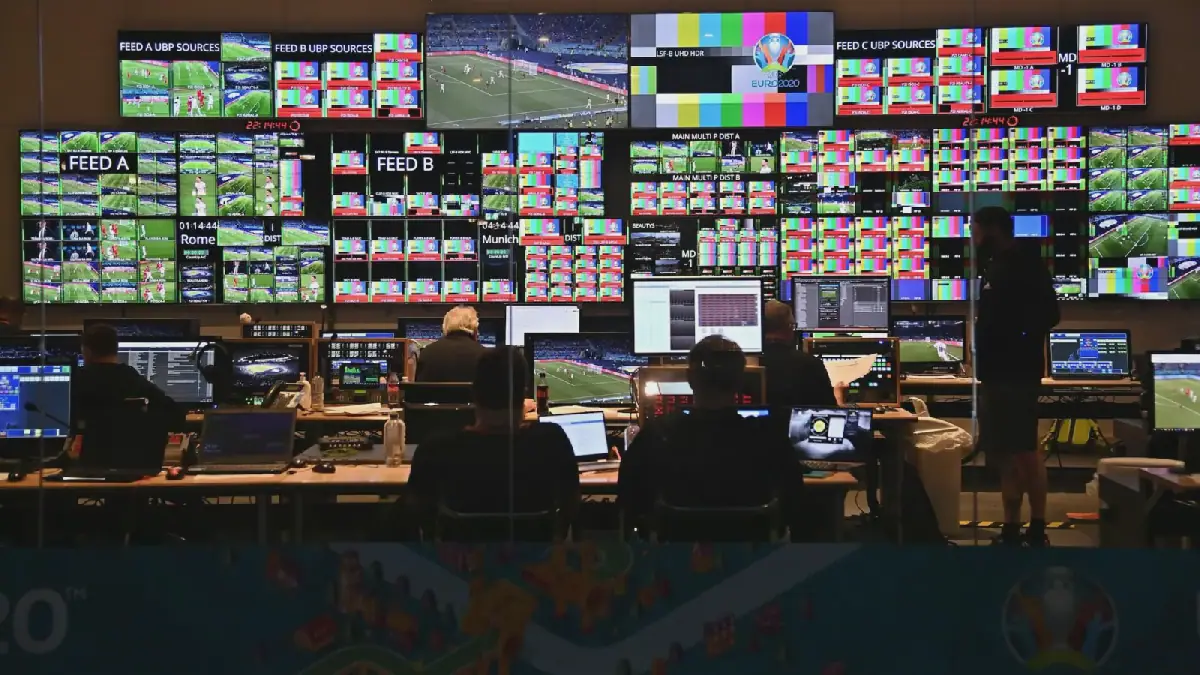
The Tunisian football scene is witnessing a significant shift in the way broadcasting rights are handled. The African Club, a prominent Tunisian football team, has taken a bold step by broadcasting its match against Congolese team Mazembe through its own channels, rather than relying on the national television network. This move is not unprecedented, as the club has taken similar steps in the past, including broadcasting a match against Egyptian team Al Ahly in 2018.
The African Club's decision to broadcast the match through its own channels has sparked a wider debate about the future of broadcasting rights in Tunisian football. The national television network has traditionally held the rights to broadcast Tunisian football matches, but the African Club's move suggests that clubs may be looking for new ways to capitalize on their broadcasting rights. This could have significant implications for the national television network, which has relied heavily on football broadcasts to attract viewers.
The issue of broadcasting rights is a complex one in Tunisia, with many fans considering it a right to watch their local team's matches on television. The national television network has traditionally provided free broadcasts of football matches, but this approach has been criticized for being unsustainable. The network's reliance on advertising revenue makes it difficult for it to compete with other broadcasters, and it has struggled to keep up with the demands of broadcasting high-quality football matches.
The African Club's decision to broadcast its match through its own channels may be a sign of things to come, as other clubs begin to explore new ways to capitalize on their broadcasting rights. One possible approach could be to partner with private broadcasters or streaming services to broadcast matches. This could provide a new source of revenue for clubs, but it also raises questions about the future of the national television network's role in broadcasting football matches.
The Tunisian football federation has traditionally played a key role in negotiating broadcasting rights on behalf of clubs, but it may face challenges in negotiating new deals. With 16 clubs in the top division, it can be difficult to reach a consensus on broadcasting rights. However, the African Club's move suggests that clubs may be willing to take matters into their own hands and explore new approaches to broadcasting.
The use of social media and streaming services is becoming increasingly popular in Tunisian football, with many fans using these platforms to watch matches. The African Club's decision to broadcast its match through its own channels suggests that clubs may be able to capitalize on this trend and provide a new source of revenue. However, it also raises questions about the future of traditional broadcasting and the role of the national television network.
As the Tunisian football scene continues to evolve, it is likely that we will see new approaches to broadcasting rights emerge. The African Club's move is just the latest example of a club taking a bold step to capitalize on its broadcasting rights. With the national television network facing challenges in broadcasting football matches, it is likely that we will see a shift towards more private broadcasters and streaming services in the future.
Key points
- Tunisian football clubs are seeking new approaches to broadcasting rights.