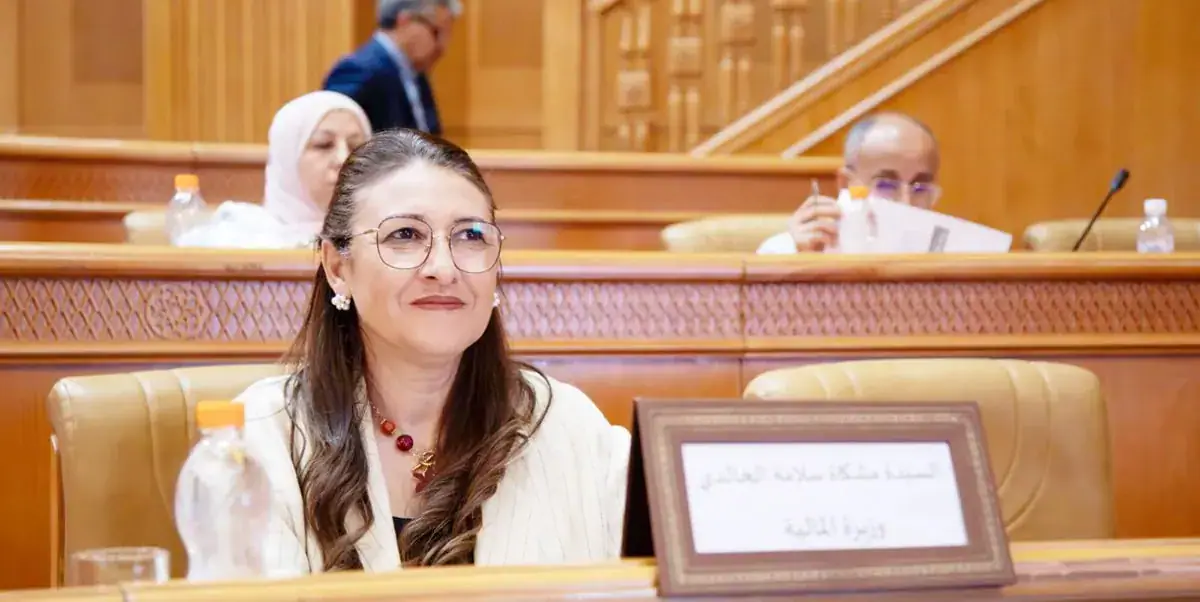
Tunisian Finance Minister Michket Salama Khaldi made a statement on November 13, 2026, during parliamentary debates on her ministry's budget for 2027, suggesting that citizens with hidden funds should declare them to support the state's finances. Her comments quickly went viral on social media, sparking widespread criticism and debate. Khaldi stated that the state had no other solution but to rely on taxes and encouraged citizens to contribute to the country's finances.
The minister's proposal has been met with skepticism, particularly among citizens already struggling with the rising cost of living and increased tax pressure. Many have questioned the feasibility of the proposal, arguing that it is unrealistic to expect citizens to declare hidden funds without offering any incentives or guarantees. The controversy has highlighted the challenges faced by the Tunisian government in mobilizing resources to finance its budget.
Economist Aram Belhadj has been vocal in his criticism of the minister's proposal, arguing that many Tunisians have been exhausted by taxation, rising living costs, and daily struggles. Belhadj questioned the guarantees that the state could offer to encourage citizens to declare their hidden funds, citing the need for a clear economic vision and a climate of trust to convince capital holders to participate in financing the economy.
According to the Tunisian Finance Ministry, nearly 79,000 undeclared economic activities were detected between 2022 and September 2026. The minister announced that the revenue from various tax interventions had reached 7.3 billion dinars in 2025. Khaldi defended the need to broaden the tax base and increase contributions from more actors to finance the state's budget without imposing new burdens on compliant taxpayers.
The controversy has highlighted the central issue of the 2027 finance bill debates: how to expand the state's resources without overburdening citizens. The government's efforts to combat tax evasion and mobilize resources have been ongoing, with a focus on encouraging citizens to declare their hidden funds. However, many remain skeptical about the effectiveness of these measures.
The debate has also raised questions about the potential benefits and drawbacks of declaring hidden funds. Some have argued that citizens who declare their funds could be offered incentives, such as investment opportunities or simplified administrative procedures. Others have expressed concerns about the potential risks, including the possibility of prosecution or penalties for tax evasion.
The Tunisian government faces a significant challenge in balancing its budget and financing its economic development programs. The controversy surrounding the minister's proposal has highlighted the need for a more nuanced approach to mobilizing resources and addressing the country's economic challenges. The government will need to engage in further dialogue with citizens, economists, and other stakeholders to find a solution that works for all parties involved.
Key points
- The Tunisian Finance Minister's call for citizens to declare hidden funds has sparked controversy and highlighted the challenges faced by the government in mobilizing resources to finance its budget.