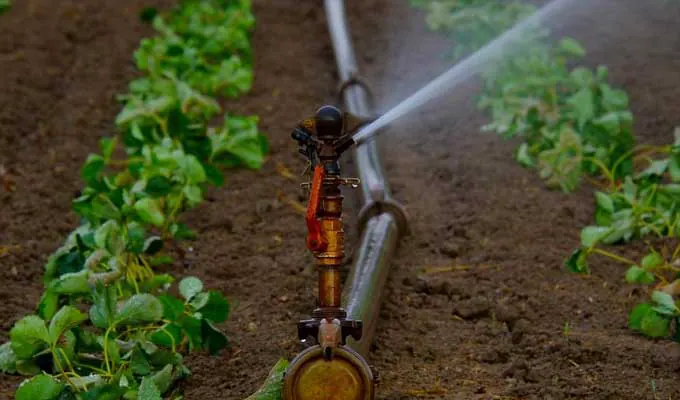
In a recent meeting, members of the Bou Salem Local Development Council, representatives of the Jendouba Regional Union of Agriculture and Fisheries (Urap), and various associations called for a revision of the irrigation water tariff. The new rate of 170 millimes/m3 was deemed too high and may lead to decreased trust in the sector, causing farmers to either rent out their land or abandon their activities. This could have significant repercussions on the agricultural sector, a major contributor to production and employment in the region.
Several attendees at the meeting, including representatives from the Regional Agricultural Development Commission (CRDA), expressed concerns that the new tariff would negatively impact the livestock sector, affecting both water supply for drinking and feed. Some participants suggested adopting a differentiated tariff system based on crop type, with symbolic rates for strategic products like cereals, sugar beets, milk, and vegetables. These products are considered crucial due to their nutritional value and lower costs when produced locally.
Lotfi Jemazi, president of Urap, emphasized the need for regular regional meetings and a plan to review the tariff and address accumulated debts of farmers and groups, totaling 26. The new tariff was established after extensive consultations with professional groups and sector stakeholders, according to a CRDA representative. However, the Ministry of Agriculture does not set tariffs with profitability in mind, but rather due to accumulated debts related to irrigation water consumption, which exceed 28 million dinars with the Tunisian Electricity and Gas Company (STEG).
Rami Aouadhi, president of the Bou Salem Local Development Council, stated that the council will work with stakeholders to revise the tariff, as farmers require support to overcome daily challenges. The agricultural sector plays a vital role in the region, and its decline could have far-reaching consequences. The council's efforts aim to find a solution that balances the needs of farmers with the financial realities of the sector.
The Jendouba region is known for its agricultural production, and the sector provides employment for many residents. The new tariff has sparked concerns about the long-term sustainability of farming in the area. Farmers and officials are urging a review of the tariff to ensure the continued viability of agriculture in the region. This issue highlights the delicate balance between economic realities and the need to support key sectors like agriculture.
The Tunisian government faces challenges in managing the agricultural sector, balancing the needs of farmers with financial constraints. The Ministry of Agriculture must navigate these complexities to ensure the continued development of the sector. The outcome of the discussions between farmers, officials, and stakeholders will likely have a significant impact on the future of agriculture in Jendouba and beyond.
The revision of the irrigation water tariff is crucial to maintaining the trust of farmers in the sector and ensuring the continued production of essential crops. The involvement of various stakeholders, including farmers, associations, and government officials, is essential to finding a solution that works for all parties. The agricultural sector is a vital component of Tunisia's economy, and its sustainability is of utmost importance.
Key points
- The new irrigation water tariff of 170 millimes/m3 has sparked controversy among farmers and officials in Jendouba, who argue it will harm the agricultural sector.