The Tunisian Engineers' Association has proposed a national plan to address the country's electricity crisis, aiming to reduce the energy deficit by more than half by summer 2027 and achieve energy sovereignty by 2035. The plan, developed by 22 experienced engineers, consists of three stages. The first stage focuses on securing the current electrical system, while the second and third stages involve supporting production and transitioning to renewable energy sources.
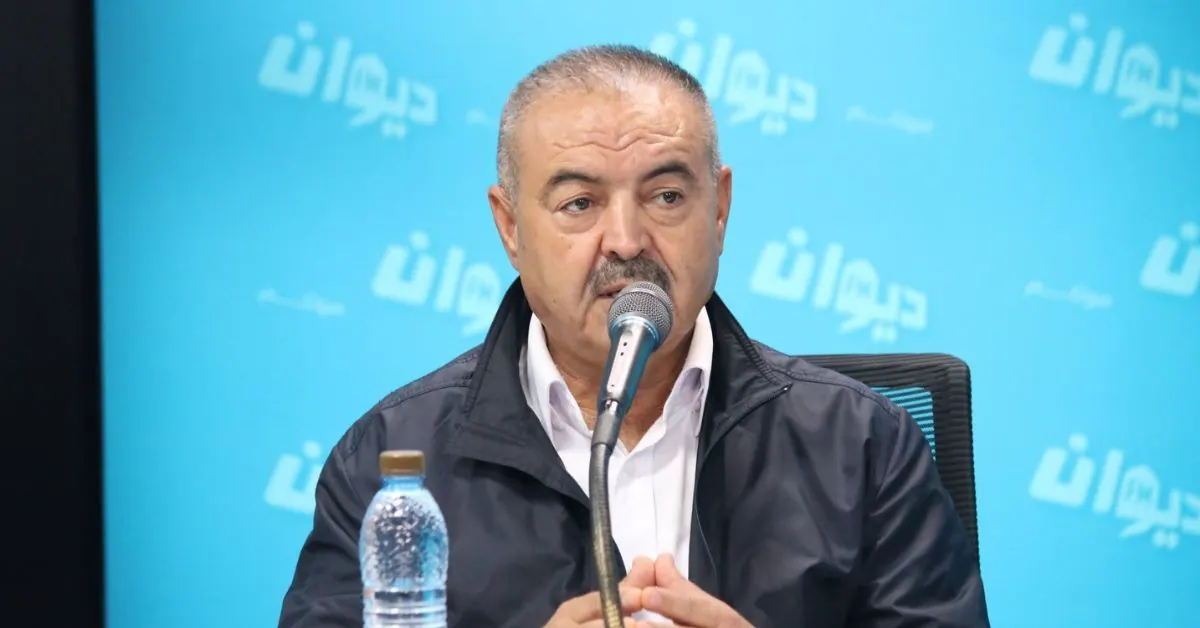
According to Mohsen Gharssi, Dean of the Tunisian Engineers' Association, the country faces an energy deficit of approximately 2,000 megawatts. The first stage of the plan, set to be completed by June 2027, will involve meticulous maintenance, accelerated purchasing, and overcoming administrative obstacles to prevent power outages that have resulted in significant financial losses for factories and institutions.
The second stage, scheduled for 2028, aims to support production through targeted investments. This stage is expected to enhance the country's energy production capabilities. The third stage, set to begin after 2028, will focus on achieving a comprehensive energy transition, enabling Tunisia to attain energy sovereignty and export energy to neighboring countries by 2035.
The plan relies heavily on renewable energy sources, such as solar and wind power, and leverages Tunisia's strategic geographical location. According to Gharssi, the engineers' proposal is not a criticism of state institutions or the Tunisian Electricity and Gas Company, but rather a forceful suggestion that requires authorities to listen to experts and expedite decision-making.
The Tunisian Engineers' Association's proposal has been presented as a potential solution to the country's persistent electricity crisis. The plan's success will depend on the government's willingness to adopt and implement the recommendations. The association's initiative has sparked interest among stakeholders, who recognize the need for a comprehensive approach to address the energy deficit.
Tunisia's energy crisis has had significant economic and social implications, with power outages affecting industrial production, healthcare services, and daily life. The proposed plan offers a roadmap for overcoming these challenges and achieving a more sustainable energy future. The government's response to the proposal will be closely watched by stakeholders and the general public.
The Tunisian Engineers' Association's plan is part of a broader effort to promote sustainable development and address the country's economic challenges. The proposal's emphasis on renewable energy and energy sovereignty aligns with international trends and commitments to reduce carbon emissions and promote sustainable energy solutions.
Key points
- The plan aims to reduce the energy deficit by more than half by summer 2027 and achieve energy sovereignty by 2035.