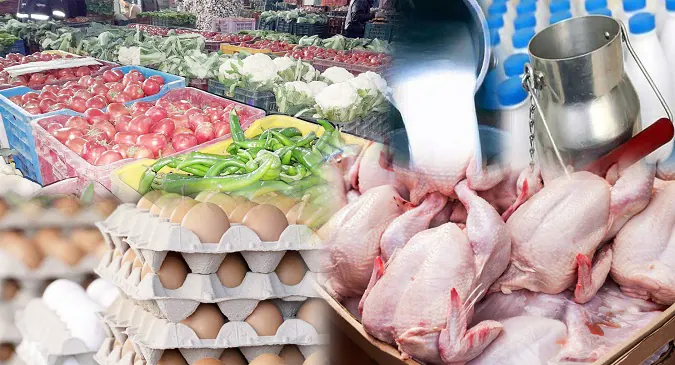
According to data released by Tunisia's Ministry of Trade and Export Development on September 19, 2026, economic control services detected 3,879 infractions during the first 15 days of September. The infractions were uncovered by 1,198 teams that conducted 26,741 visits, averaging one infraction for every seven inspections.
The most common infractions included a lack of transparency in transactions, with 1,959 cases reported, followed by 1,178 instances of price hikes and speculative practices, and 734 cases related to product quality and metrology. Additionally, there were eight instances of subsidized product diversion.
The control operations resulted in the seizure of substantial quantities of various products, including 21 tonnes of subsidized cereals, 57 tonnes of fruits and vegetables, 239 kg of poultry meat, 324 liters of milk, 400 kg of sugar, and 3.9 tonnes of fodder. Authorities also confiscated 59,537 subsidized notebooks, 9,121 school supplies, 13,783 packs of tobacco, and 129,000 liters of mineral water.
The Ministry noted that over 986 infractions related to mineral water have been recorded since early August. While authorities presented this data as evidence of increased vigilance, it also raises questions about the effectiveness of current measures. The high number of transparency-related infractions suggests that basic practices, such as price display and invoicing, are not being consistently respected.
The recent surge in infractions may be partly attributed to the back-to-school season, which typically creates demand for subsidized supplies. However, similar spikes occur annually, prompting concerns about the efficacy of sanctions and the state's ability to address underlying issues, such as opaque distribution networks and recurring supply tensions.
There is a notable discrepancy between the large quantities of subsidized products seized and the relatively small number of diversion cases officially recorded. This inconsistency highlights the need for more detailed analysis to ensure that the data is being used effectively to evaluate and improve regulatory policies.
The Tunisian government's efforts to regulate the market and prevent economic infractions continue to face challenges. With the ongoing struggle to balance supply and demand, coupled with pressure on purchasing power, the situation remains complex.
Key points
- The Tunisian Ministry of Trade and Export Development reported 3,879 economic infractions in the first half of September 2026.
- The most common infractions included a lack of transparency in transactions, price hikes, and speculative practices.
- Authorities seized substantial quantities of subsidized products, including cereals, fruits, vegetables, and school supplies.