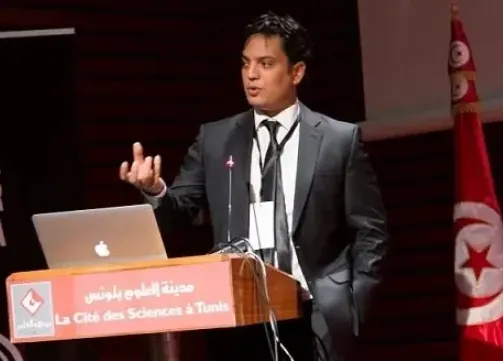
Tunisian cybersecurity expert Heitham Al-Mir has emphasized the need for regulating artificial intelligence in Tunisia. In a recent video interview, Al-Mir discussed the benefits and risks associated with AI, highlighting its potential to enhance skills and services. He stressed that while AI can bring about significant improvements, it also poses a threat to job security and digital safety if left unchecked.
The expert's comments come at a time when AI is increasingly being adopted across various industries in Tunisia. As the country continues to leverage AI to drive growth and innovation, concerns about its impact on the workforce and digital security have grown. Al-Mir's call for regulation reflects a broader need for governments and industries to address these concerns and develop frameworks for the safe and responsible use of AI.
Al-Mir's expertise in cybersecurity has made him a prominent voice in Tunisia's digital landscape. His warnings about the potential risks of AI have sparked a necessary conversation about the need for regulation and oversight. As Tunisia continues to navigate the benefits and challenges of AI, Al-Mir's insights will likely play a crucial role in shaping the country's approach to this rapidly evolving technology.
The need for AI regulation in Tunisia is not limited to cybersecurity; it also has implications for the country's economy and workforce. As AI assumes increasingly important roles in various sectors, there is a growing concern about job displacement and the need for workers to develop new skills. By regulating AI, Tunisia can mitigate these risks and ensure that the benefits of AI are shared by all.
Al-Mir's advocacy for AI regulation is part of a broader effort to promote digital safety and security in Tunisia. His work has highlighted the importance of protecting the country's digital infrastructure and ensuring that its citizens are safe online. As Tunisia continues to develop its digital economy, Al-Mir's expertise will be essential in guiding the country's approach to AI and cybersecurity.
The conversation about AI regulation in Tunisia is likely to continue in the coming months, with Al-Mir's comments serving as a catalyst for further discussion. As the country navigates the complexities of AI, it will be essential for policymakers, industry leaders, and experts like Al-Mir to work together to develop a comprehensive framework for the responsible use of AI.
Ultimately, the goal of AI regulation in Tunisia is to ensure that the benefits of AI are realized while minimizing its risks. By taking a proactive approach to regulating AI, Tunisia can promote digital safety, protect its workforce, and ensure that AI is used to drive growth and innovation.
Key points
- Heitham Al-Mir emphasizes the need for regulating artificial intelligence in Tunisia to mitigate potential risks.