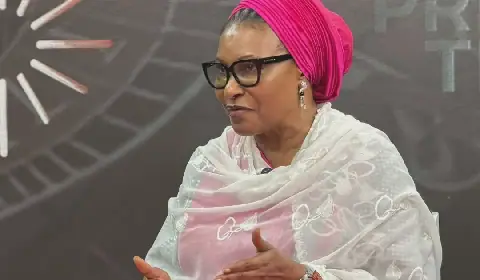
On September 24, 2026, Tunisian Culture Minister Amira Sarrafi chaired a working session with department directors and general managers. The meeting focused on developing performance, accelerating project completion, and enhancing monitoring and evaluation mechanisms. This aims to ensure more effective program implementation and responsiveness to cultural and administrative work requirements. Key directives were issued to improve the ministry's overall performance.
Minister Sarrafi emphasized the need to accelerate project implementation while closely monitoring progress and adhering to specified deadlines. Additionally, she instructed the preparation of comprehensive and accurate annual reports in advance. These reports should be regularly updated with current data, statistics, and indicators to ensure readiness when requested by various parties. This approach will enable more efficient reporting and informed decision-making.
The minister also highlighted the importance of relying on precise indicators and statistics to evaluate programs, achievements, and progress within various structures. Furthermore, she mandated the exclusive use of the digital support platform, eliminating paper files. This move aims to consolidate the digitalization of the support process, unify nomination and follow-up mechanisms, and streamline procedures.
To improve efficiency and facilitate monitoring, Minister Sarrafi called for further digitalization and the adoption of digital solutions across different work paths. This strategic shift is expected to enhance overall performance and coordination. Moreover, she stressed the need for better coordination among departments, institutions, and structures. This will be achieved by developing joint work mechanisms that ensure greater integration and effectiveness.
In preparation for 2027 programs, the minister emphasized the importance of thorough planning based on clear priorities and precise scheduling. This planning should be grounded in available data, indicators, and feasibility considerations. By adopting this approach, the ministry aims to ensure that its programs are well-structured, achievable, and aligned with its strategic objectives.
The directives issued by Minister Sarrafi reflect the government's commitment to enhancing the performance and efficiency of the Ministry of Cultural Affairs. By implementing these measures, the ministry is expected to improve its service delivery, better utilize resources, and increase its overall impact on the cultural sector. This, in turn, will contribute to the country's cultural development and growth.
The Ministry of Cultural Affairs plays a vital role in promoting Tunisia's rich cultural heritage and supporting the country's artistic community. With a focus on efficient project implementation and improved performance, the ministry is poised to make a more significant positive impact on the cultural landscape. This development is expected to have far-reaching benefits for the country's cultural sector and its people.
Key points
- The minister emphasized the need for efficient project implementation and improved performance within the Ministry of Cultural Affairs.
- The use of digital solutions and precise indicators will be crucial in evaluating programs and achievements.
- The ministry aims to ensure that its 2027 programs are well-structured, achievable, and aligned with its strategic objectives.