On October 2, 2026, the Tunis Court of First Instance's emergency chamber ordered the suspension of the National Congress of the Free Destourian Party (PDL), scheduled for October 3-4. The decision came hours before the official opening of the party event, amid an already tense context for the party. PDL President Abir Moussi has been in prison since October 2023. A party member filed a request to suspend the congress, citing failure to follow statutory procedures.
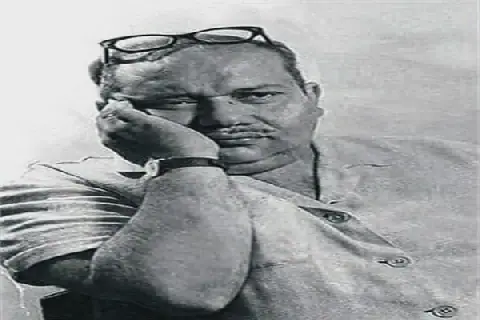
The PDL's defense team requested a postponement of the case examination, but the emergency chamber made its decision on October 2, suspending the congress. Abdessalem Chekir, a political analyst close to the party, strongly criticized the move in a video published on October 2, calling it "betrayal" and a "gift to the PDL's enemies". He claimed the petitioner, a close associate of Abir Moussi, aimed to cancel the congress, which had been prepared for months.
Abdessalem Chekir also mentioned the involvement of a "group" suspected of operating from abroad to "destabilize, divide, and weaken" the PDL. He hinted at revealing more information about the individuals and mechanisms behind this alleged maneuver, but provided no public evidence. The congress was set to renew the PDL's leadership and confirm Abir Moussi's presidential candidacy, already validated by the party's bureau on September 23.
The PDL's congress holds significant symbolic value, coinciding with the third anniversary of Abir Moussi's arrest on October 3, 2023. The court's decision places the PDL in a new judicial ordeal, with its president incarcerated for over two years and sentenced to ten years in prison in March 2026. While the emergency order suspends the congress, it does not resolve the underlying dispute, which may be examined later by the court.
For the PDL, the stakes go beyond procedural issues, as the party seeks to maintain unity, preserve its mobilization capacity, and confirm its stance despite Abir Moussi's incarceration. The history of political parties highlights the importance of crisis management, with pluralism and competition being signs of democratic life, but also requiring a minimum level of ethics.
The PDL's situation reflects broader challenges faced by political parties, which must balance electoral and internal dynamics with collective projects that require loyalty, respect for internal rules, and a sense of responsibility. When conflicts are settled in court, it can weaken the party's overall life and its ability to mature and reform.
The court's decision has sparked concerns about the PDL's future, with the party's ability to overcome this crisis and adapt to changing circumstances being closely watched. As the situation unfolds, the PDL's leadership and members will need to navigate the complexities of their party's internal dynamics and the broader Tunisian political landscape.
Key points
- The Tunisian court's suspension of the PDL congress has significant implications for the party's future and its ability to maintain unity and momentum.
- Abdessalem Chekir's strong criticism of the move as "betrayal" highlights the deep divisions within the party.
- The PDL's situation reflects broader challenges faced by political parties in Tunisia, including the need for a minimum level of ethics and internal cohesion.