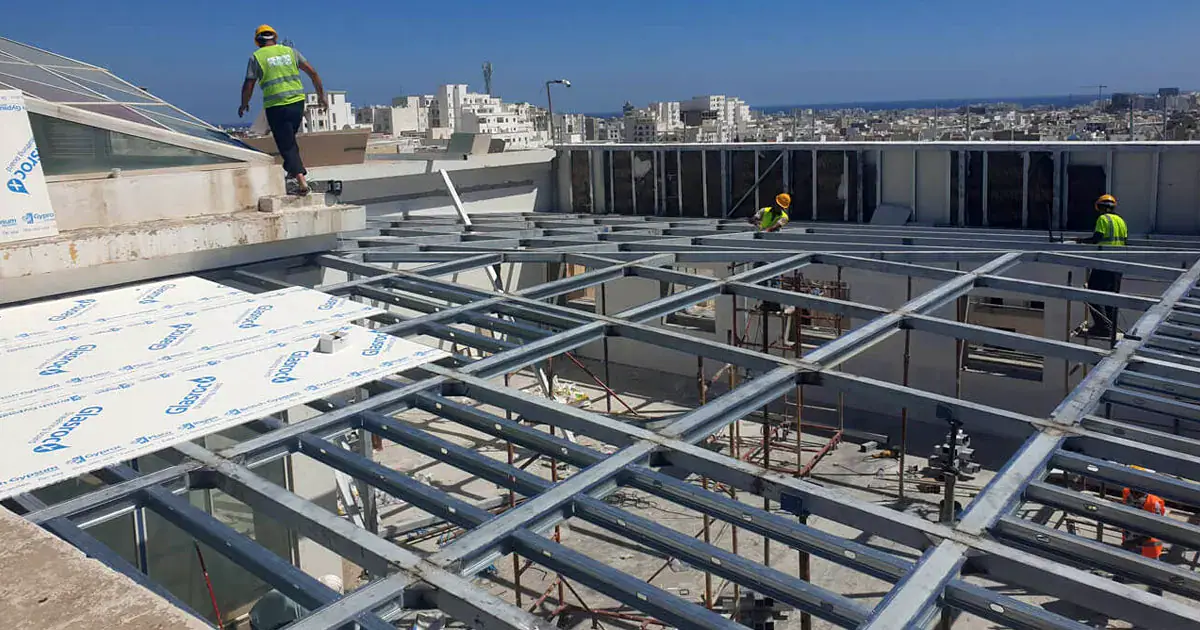
The Tunisian construction and public works sector, which employs nearly 490,000 people, or around 14% of the country's working population, is seeking support measures to stimulate growth. The Tunisian Union of Industry, Commerce and Handicrafts (UTICA) has proposed a series of measures to revive the sector. These proposals were presented during a joint hearing held on November 20, 2026, by the Finance and Budget Committee of the Assembly of People's Representatives and the National Council of Regions and Districts.
One of the key proposals is the establishment of an exceptional mechanism to identify and verify the debts owed to companies, study bureaus, and suppliers by public organizations. This mechanism would need to complete its task by March 31, 2027. The sector operators are also calling for the allocation of necessary funds to settle these amounts during the same year. They propose a possible offset with tax debts.
The National Federation of Building and Public Works has also recommended extending the automatic waiver of late penalties until December 31, 2028. This measure aims to alleviate the financial burden on companies in the sector. Additionally, the Federation requests that companies be able to receive amounts resulting from price revisions without waiting for the definitive reception of projects.
The sector operators are also seeking to activate the credit guarantee fund to help small and medium-sized enterprises (SMEs) provide the required bank guarantees. This would enable SMEs to participate more easily in public works projects. The proposals aim to improve the cash flow of companies in the sector and stimulate growth.
The construction and public works sector plays a significant role in Tunisia's economy, employing a substantial portion of the workforce. The proposed measures aim to address the challenges faced by the sector, including delayed payments and high debt levels. By implementing these measures, the sector hopes to recover and contribute to the country's economic growth.
The UTICA and the National Federation of Building and Public Works are pushing for the inclusion of these proposals in the 2027 finance bill. The bill is currently under examination by the relevant committees. If adopted, these measures could provide a much-needed boost to the sector and help stimulate economic growth in Tunisia.
The Tunisian government will need to consider the proposals and balance the needs of the construction sector with the country's overall economic goals. The sector's recovery is crucial for the country's economic development, and the proposed measures could help achieve this goal. A decision on the proposals is expected in the coming months.
Key points
- Extending the automatic waiver of late penalties until December 31, 2028.
Reporting sources
- Tunisie | Les doléances des opérateurs du BTP · Kapitalis