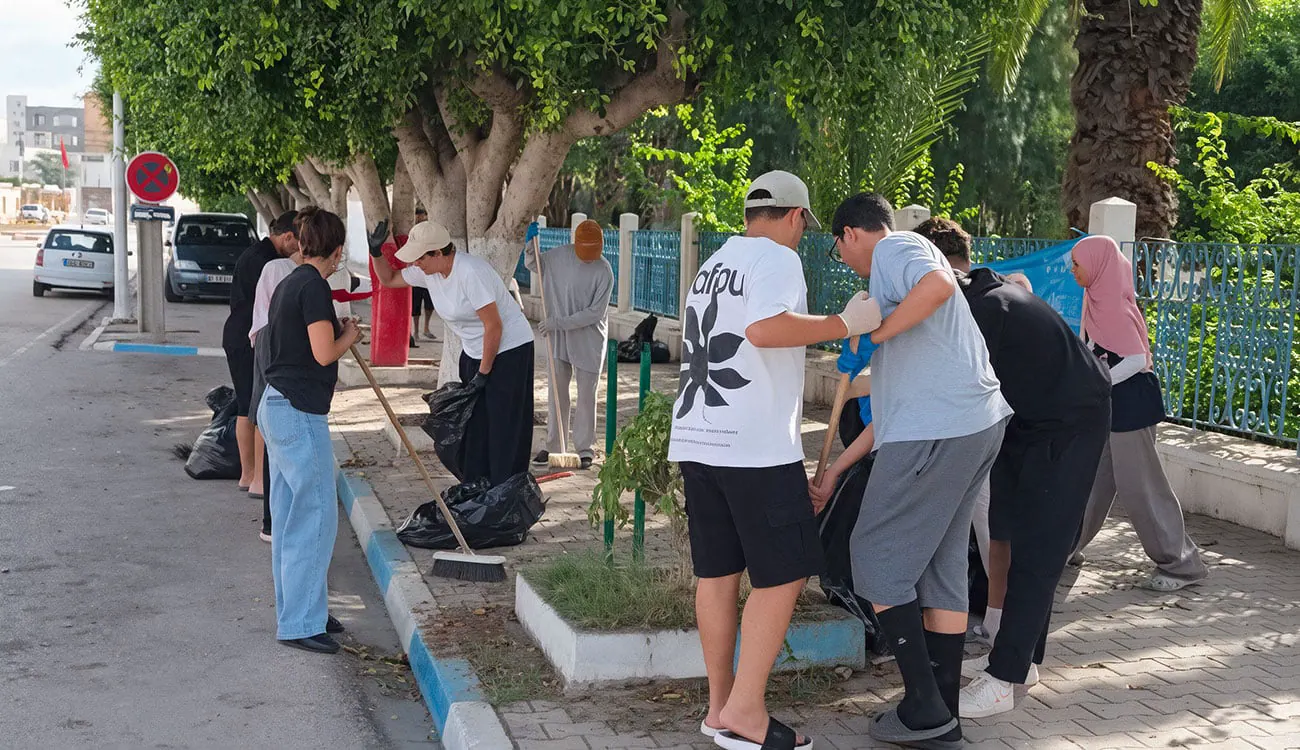
In a heartening display of civic engagement, Tunisian citizens from all walks of life have been spearheading volunteer clean-up initiatives across the country, driven by a shared determination to reclaim their environment. These grassroots movements have gained significant traction since March 2026, with organizations like Tounes Clean-Up, Soli & Green, and Tunisie Recyclage leading the charge. From Sidi Bouzid to Nefta, residents of all ages have been joining forces to restore their communities to their former glory.
The phenomenon has been particularly notable among young people, who have been leveraging social media to mobilize their peers and coordinate clean-up efforts. Videos posted online showcase groups of enthusiastic volunteers, armed with brooms, gloves, and trash bags, working tirelessly to rid their streets and public spaces of litter and debris. This outpouring of community spirit has been met with widespread admiration and pride, as Tunisians from all regions come together to address a pressing issue that has long plagued their country.
According to data from the Ministry of Environment, Tunisia generates over 2.6 million tons of municipal waste annually, with a recycling rate that remains stubbornly below 10%. The situation is particularly dire in the Greater Tunis area, where nearly one million tons of waste are produced each year. In response, a group of lawmakers introduced a bill in April 2026 aimed at prohibiting and penalizing the dumping of trash in public spaces.
The volunteer clean-up campaigns have been instrumental in bridging the gap left by municipal authorities, who often struggle to maintain consistent waste management services. In Borj Cédria, for instance, a recent clean-up event organized by local associations resulted in the collection of nearly 150 kilograms of trash in under an hour. Similarly, in June 2026, volunteers gathered over 12,000 cigarette butts in a single operation in the Medina of Tunis.
President Kaïs Saïed has acknowledged the need for a more robust and sustained approach to waste management, calling for "continuous and rigorous" efforts to collect trash across the country. During a meeting at the Palace of Carthage in March 2026, he emphasized that regional and local authorities must assume their responsibilities and take concrete actions to address the issue, warning of potential sanctions for those who fail to comply.
While the volunteer clean-up initiatives have been a welcome development, many Tunisians recognize that a long-term solution will require more than just civic enthusiasm. To create lasting change, the government will need to implement effective waste management strategies, invest in infrastructure, and enforce regulations to prevent littering and promote recycling.
As the volunteer clean-up campaigns continue to gain momentum, there is a growing consensus that a combination of community engagement and regulatory measures will be necessary to tackle Tunisia's waste management challenges. With citizens, associations, and authorities working together, there is hope that the country can make significant strides in protecting its environment and promoting a culture of civic responsibility.
Key points
- Tunisian citizens are taking a proactive approach to addressing the country's waste management issues through volunteer clean-up campaigns.
- The initiatives have gained significant traction since March 2026, with organizations and individuals working together to restore public spaces.
- To create lasting change, the government will need to implement effective waste management strategies, invest in infrastructure, and enforce regulations to prevent littering and promote recycling.