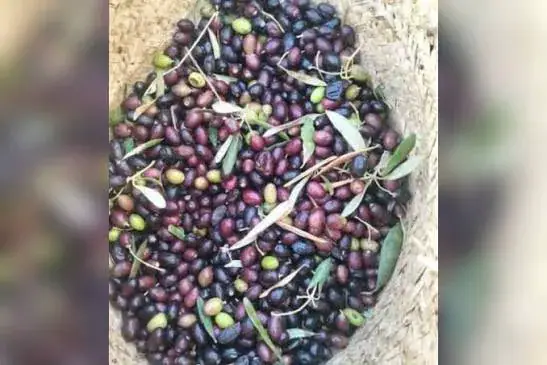
Tunisian authorities have urged olive farmers in the Mahdia region to expedite their harvesting efforts to mitigate the spread of a bacterial disease affecting olive trees. The call was made by Wali (Governor) of Mahdia, Anis Al-Adhari, during a field visit to infected farms on Wednesday, October 28, 2026. The visit aimed to monitor the implementation of recommendations issued by the Ministry of Agriculture, Water Resources, and Fisheries to address the disease.
The bacterial disease, known as olive leaf spot, has infected approximately 2,500 olive trees in the region, prompting concerns about its potential spread to other areas. To combat the disease, authorities plan to prune infected parts of the trees and dispose of the pruned material through burning, in accordance with technical recommendations. This approach aims to prevent the transmission of the disease to healthy trees.
The Ministry of Agriculture has also planned to implement preventive treatments for around 120,000 trees in the affected region. These measures are part of a broader effort to contain the spread of the disease and protect the region's olive crop. The treatments will be carried out in collaboration with local farmers and agricultural experts.
The Wali of Mahdia emphasized the importance of adhering to health protocols and best agricultural practices to combat the disease. This includes proper pruning techniques, handling of infected materials, and disinfection of equipment to prevent the transmission of the disease. Farmers are also being encouraged to participate in awareness-raising campaigns to learn about effective methods for managing the disease.
The Tunisian Ministry of Agriculture has announced the opening of an exceptional olive harvesting season in the Moulouch region, with the authorization of a crushing facility to accelerate the harvesting process. This decision aims to support local farmers and help them cope with the challenges posed by the bacterial disease.
According to the Director of Plant Health and Control of Agricultural Inputs at the Ministry of Agriculture, it is essential to adopt good agricultural practices to combat the spread of the disease. This includes proper handling of infected trees, pruning, and disposal of infected materials. The Ministry will also organize awareness-raising days for farmers in different regions to educate them on how to manage infected trees and prevent the spread of the disease.
The quality of olive oil produced in the affected region is not expected to be impacted by the disease, as the infection does not affect the quality of the oil. However, farmers are advised to exercise caution during harvesting to avoid causing damage to the trees, which could facilitate the transmission of the disease.
Key points
- The Tunisian authorities have urged olive farmers in the Mahdia region to accelerate their harvesting efforts to combat the spread of a bacterial disease affecting olive trees.
- The disease has infected approximately 2,500 olive trees in the region, prompting concerns about its potential spread to other areas.
- The Ministry of Agriculture plans to implement preventive treatments for around 120,000 trees in the affected region.