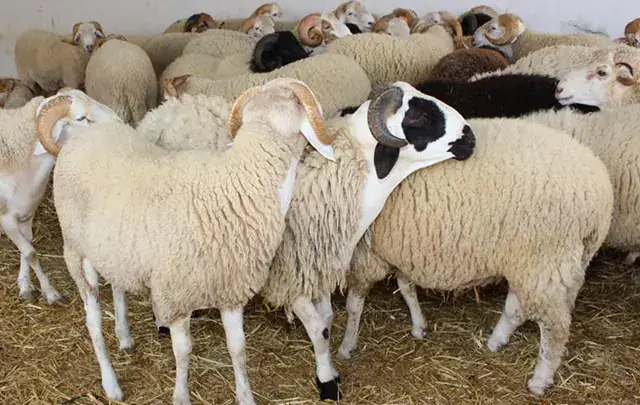
The Tunisian Regional Commission for Agricultural Development in Gabes has called on livestock breeders to take necessary preventive measures to limit the proliferation of disease-carrying insects, particularly mosquitoes. This warning comes as climatic conditions are favorable for their breeding. The commission emphasized the importance of these measures to prevent the spread of diseases among animals.
The commission recommended that breeders clean their animal facilities and surroundings daily, dry stagnant water, and avoid accumulating it in containers and equipment. They also advised against leaving organic waste near animal enclosures, as it provides a suitable environment for insect breeding. These simple steps can significantly reduce the risk of disease transmission.
Furthermore, the commission suggested that breeders protect their animals using licensed veterinary insecticides, following the recommended dosages and methods of use. Regular treatment of barns and stables is also crucial, according to technical guidelines. By taking these precautions, breeders can minimize the risk of disease outbreaks and ensure the health of their livestock.
The commission stressed the importance of avoiding the purchase of animals from unknown sources and isolating new animals until their health status is confirmed. This helps prevent the introduction and spread of diseases within the herd. Breeders are also encouraged to report any suspected cases to specialized veterinary services promptly, enabling early intervention and reducing the risk of disease transmission.
The preventive measures are part of a broader effort to maintain animal health and prevent the spread of diseases in Tunisia. The commission's recommendations are aimed at reducing the risks associated with disease-carrying insects and promoting a healthy environment for livestock. By working together, authorities and breeders can mitigate the impact of these diseases.
In addition to these measures, the commission's efforts are complemented by other initiatives aimed at promoting animal health and preventing disease outbreaks. These initiatives include vaccination programs, animal health monitoring, and education campaigns for breeders. By combining these efforts, Tunisia can reduce the incidence of animal diseases and protect the country's livestock.
The call for preventive measures comes as Tunisia continues to face challenges related to animal health and disease control. By taking proactive steps, breeders and authorities can work together to address these challenges and promote a healthier environment for livestock. The commission's recommendations are a crucial step in this direction, and their implementation is essential for maintaining animal health and preventing disease outbreaks.
Key points
- Tunisian authorities urge livestock breeders to take preventive measures against disease-carrying insects.
- Measures include cleaning facilities, drying stagnant water, and using licensed veterinary insecticides.
- Breeders are also advised to avoid buying animals from unknown sources and report suspected cases promptly.