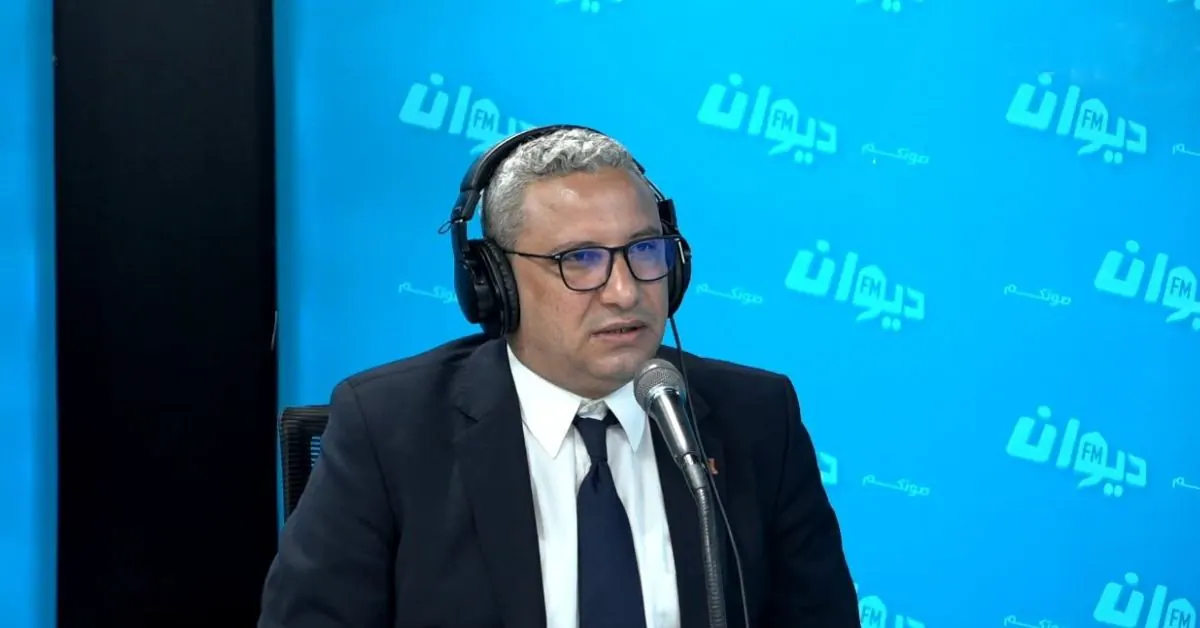
The head of Tunisia's second regional council, Anis Khalfawi, announced plans to convene a meeting with civil society representatives, lawyers, and environmental experts to discuss the contentious 'black fly' project. The project, which involves breeding black fly larvae for export as protein, has sparked protests from residents in Manzel Bouzlefah, a town in the governorate of Nabeul. Local concerns center on potential environmental pollution and health risks.
Khalfawi emphasized that the health and well-being of citizens, as well as environmental safety, take precedence over any project. He revealed that a lawyer from the civil society had obtained permission to collect signatures for a petition to obtain project licenses, which was submitted to the Nabeul governorate on September 25, 2026. However, the governorate has yet to respond.
The 'black fly' project has been met with fierce resistance from local residents, who organized a protest march on October 3, 2026. The demonstration, which drew participation from farmers, aimed to express opposition to the project and potential environmental degradation. Residents fear that the project may harm the local ecosystem and contaminate water sources.
In response to growing concerns, Khalfawi stated that the regional council may need to correspond with the presidency if necessary. This move underscores the council's commitment to addressing local anxieties and finding a resolution. The council's actions will likely be closely watched by residents, who are eager to see their concerns addressed.
The National Council for Regions and Districts has been urged to play a more active role in regulating insect breeding projects. Khalfawi called for the establishment of clear legislation to govern such initiatives, ensuring that they align with environmental and health standards. This appeal highlights the need for more stringent regulations in Tunisia.
The 'black fly' project has sparked a heated debate about the balance between economic development and environmental protection in Tunisia. While the project proponents argue that it could generate significant revenue, opponents stress that it poses unacceptable risks to local ecosystems and public health. The outcome of the regional council's discussions will likely have far-reaching implications for similar projects in the future.
As the situation continues to unfold, residents of Manzel Bouzlefah remain vigilant, determined to protect their environment and way of life. The Tunisian authorities face a critical challenge in reconciling competing interests and finding a solution that addresses the concerns of all stakeholders. The fate of the 'black fly' project hangs in the balance, as the country grapples with the complexities of sustainable development.
Key points
- Tunisian regional council to discuss 'black fly' project amid local protests
- Project involves breeding black fly larvae for export as protein
- Residents express concerns over potential environmental pollution and health risks