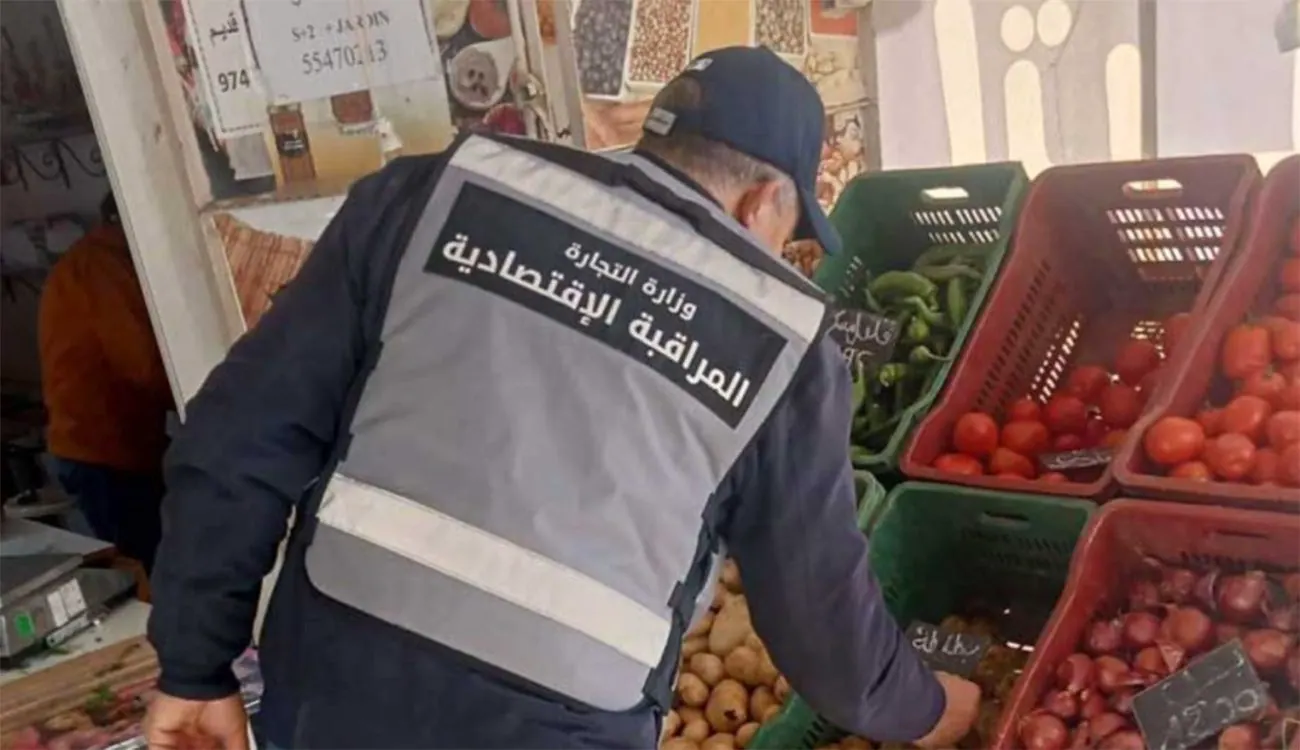
In September, teams from the Nabeul Regional Directorate of Trade and Export Development conducted 1,530 inspection visits, identifying 340 economic infractions. These inspections covered various sectors, including food products, fruits and vegetables, and mineral water. The visits were carried out by 122 control teams. The inspections aimed to ensure compliance with trade regulations and protect consumer interests.
The food sector recorded the highest number of infractions, with 83 cases, followed by school supplies with 55 cases, and the tobacco sector with 58 cases. Fruits and vegetables accounted for 52 infractions. Most infractions involved illegal price hikes and non-transparent transactions. A total of 151 cases involved unjustified price increases, while 121 cases concerned non-compliance with commercial transaction transparency.
The control teams also conducted 25 seizure operations targeting essential goods. Notable seizures included 36,084 liters of mineral water due to price regulation non-compliance. Additionally, 30,000 school notebooks were seized for refusal to sell, conditional sales, and hiding goods. These actions were part of efforts to maintain market regularity and protect consumer interests.
Other significant seizures included 11 tons of sugar stored outside authorized channels, 3.4 tons of flour due to subvention regulation breaches, and 36 tons of potatoes for monopolistic practices. Furthermore, 1,618 school items were confiscated. These seizures highlight the authorities' efforts to combat market malpractice and ensure fair trade practices.
Sihem Mabrouk, Nabeul's Regional Trade Director, emphasized that joint efforts by economic control teams continue to guarantee a regular market supply of essential goods. The goal is to prevent market disruptions, protect consumer purchasing power, and maintain fair trade practices. Regular inspections and seizures aim to promote a stable and transparent market environment.
Mabrouk's statements underscore the authorities' commitment to addressing economic infractions and monopolistic practices. The control teams' efforts focus on sectors critical to daily life, ensuring that goods are available and affordable for consumers. By tackling these issues, authorities aim to foster a more equitable market.
The Tunisian authorities' actions demonstrate their dedication to upholding trade regulations and protecting consumer rights. The seizures and inspections serve as a deterrent to those engaging in unfair trade practices, promoting a healthier market for both businesses and consumers. The authorities will likely continue their efforts to maintain market stability and fairness.
Key points
- 36,084 liters of mineral water were seized due to non-compliance with regulated prices.
- 11 tons of sugar were confiscated for being stored outside authorized channels.
- Authorities conducted 1,530 inspection visits, identifying 340 economic infractions in various sectors.