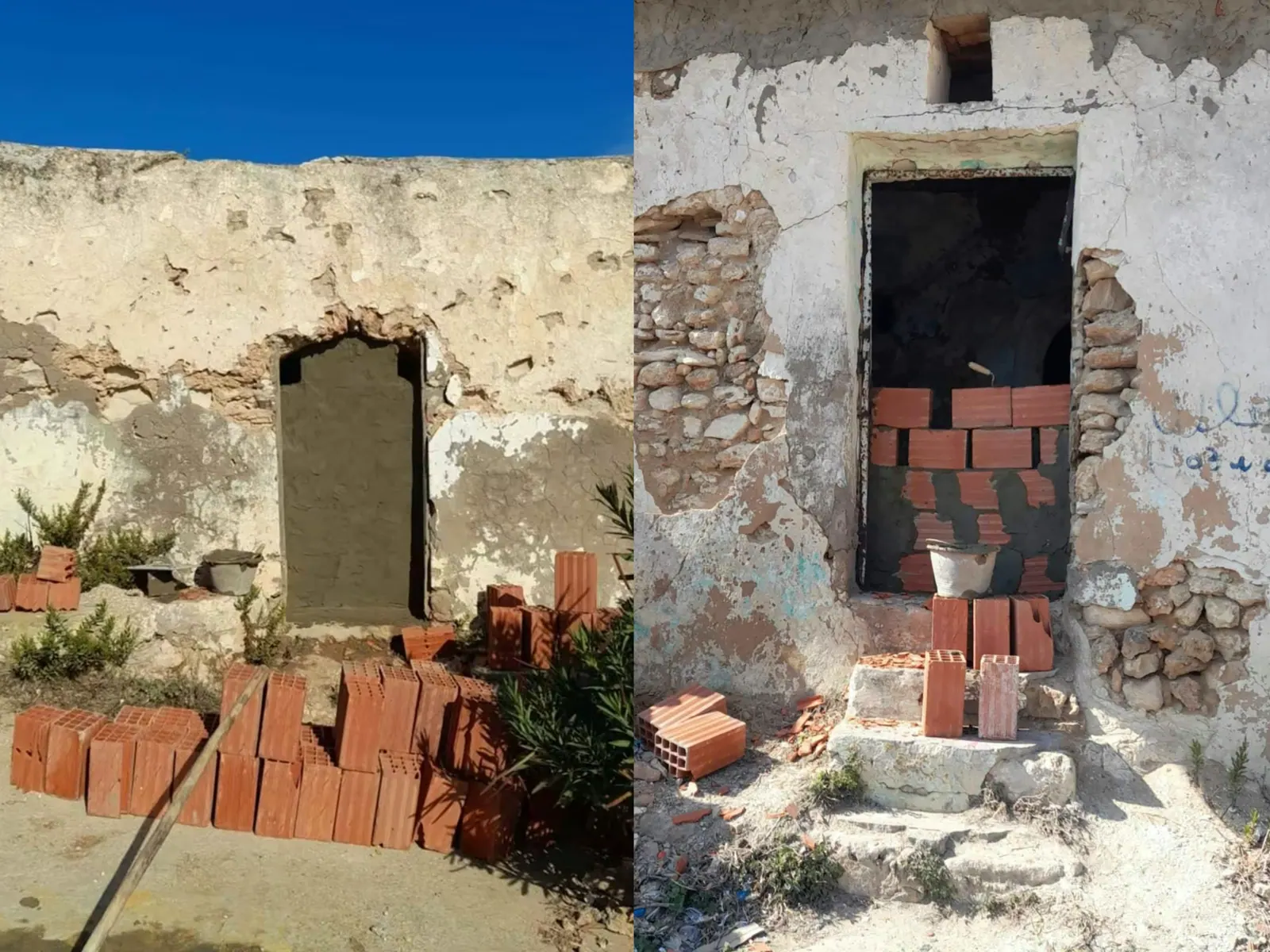
The municipality of El Matelin, located in the Ras El Jebel delegation of Banzart governorate, Tunisia, closed the Sidi Bouchouche shrine on Saturday, October 3, 2026. The shrine, a historic site with significant cultural value, had gradually become a dumping ground for waste. Over time, it also witnessed practices that were deemed unacceptable by local residents. Despite its importance to the community and its stunning sea views, the site had fallen into disrepair.
The decision to close the shrine was met with approval from some residents, who had grown concerned about the site's condition. However, others called for coordination with the National Heritage Institute and the Ministry of Religious Affairs to restore the site and reopen it to the public. The shrine's closure has sparked a debate about the preservation of cultural heritage sites in Tunisia and the need for collaboration between local authorities and national institutions.
The Sidi Bouchouche shrine is a significant cultural and historical landmark in the region. Its closure has highlighted the challenges faced by local authorities in maintaining and preserving such sites. The municipality's decision to intervene has been seen as a positive step, but residents are now calling for a more comprehensive approach to restore the site to its former glory.
The closure of the shrine has also raised concerns about the impact on local tourism and the community's cultural heritage. The site's stunning sea views and historic significance make it an attractive destination for visitors. However, its current state has made it inaccessible to the public, leading to calls for urgent restoration work.
Residents have expressed mixed feelings about the shrine's closure. While some have welcomed the decision as a necessary step to address the site's neglect, others have expressed disappointment and concern about the impact on the community. The debate has highlighted the need for a balanced approach that takes into account the site's cultural significance, its importance to the community, and the need for preservation.
The National Heritage Institute and the Ministry of Religious Affairs have been called upon to play a role in the restoration and reopening of the shrine. The site's preservation requires a collaborative effort from local authorities, national institutions, and the community. The closure of the Sidi Bouchouche shrine has sparked a wider conversation about the importance of preserving Tunisia's cultural heritage.
The future of the Sidi Bouchouche shrine remains uncertain, but residents and authorities agree that its preservation is crucial. Efforts to restore the site and reopen it to the public are underway, with a focus on balancing cultural significance, community needs, and preservation requirements. The case of the Sidi Bouchouche shrine highlights the challenges and opportunities in preserving Tunisia's rich cultural heritage.
Key points
- The Sidi Bouchouche shrine was closed due to neglect and misuse.
- The closure has sparked a debate about the preservation of cultural heritage sites in Tunisia.
- Residents and authorities are calling for a collaborative effort to restore the site and reopen it to the public.