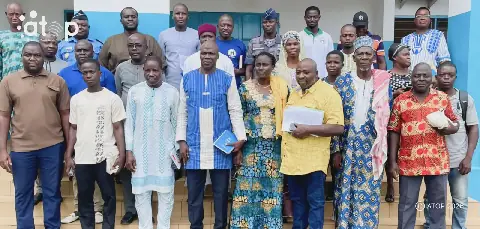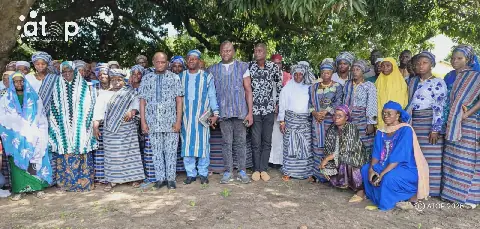
During the 9th Global Forum for the Sea, held in Banzart on September 24-25, 2026, students from Tunisian and Moroccan middle and high schools, participating in youth clubs for the ocean, expressed their commitment to working towards a "plastic-free Mediterranean." They emphasized the need for collective action to protect the marine environment and called on various stakeholders to take responsibility for their actions.
The young people addressed a message to scientists, researchers, entrepreneurs, and innovation stakeholders, encouraging them to develop solutions to reduce plastic use, provide alternatives to single-use products, and collect existing waste in nature. They stressed the importance of integrating environmental protection into activities and investments, highlighting that this commitment can open up opportunities to reach new consumers, particularly young people who are aware of and committed to environmental issues.
In a message to ministries of education and teachers, the youth requested that education be used as a tool for ocean protection, incorporating this issue into curricula beyond just optional subjects. They also proposed organizing waste collection campaigns, implementing awareness-raising activities in schools, and even establishing a student-led environmental police. The young people emphasized that they do not want to just learn about ocean protection but also participate in it.
The youth called on elected officials and ambassadors to enforce existing laws, particularly those limiting the use of single-use plastics, and to establish new rules when necessary to better protect oceans and coastlines. They also emphasized the need for increased cooperation between countries, as the ocean knows no borders, and pollution does not either. The young people urged decision-makers to listen to scientists, support innovation, and facilitate the transfer of knowledge.
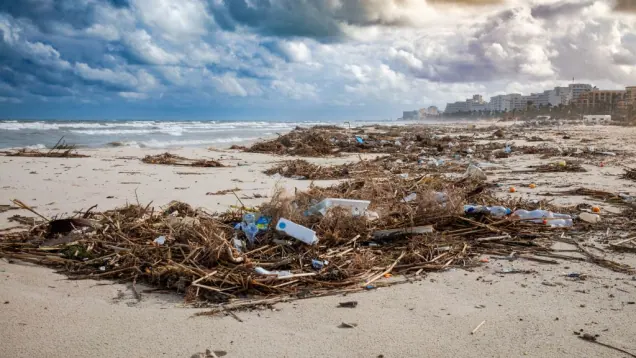
According to estimates, around 230,000 tons of waste enter the Mediterranean Sea annually, with plastic accounting for approximately 77% of the total waste collected on beaches. This represents a rate of over half a ton per minute. A significant portion of this waste accumulates at the bottom of the sea, resulting in environmental and economic impacts on Mediterranean countries.
The 9th Global Forum for the Sea provided a platform for young people to present the results of months of research and fieldwork, share their vision for the future of the ocean, and engage in direct dialogue with scientific, economic, institutional, and associative stakeholders. Despite increasing youth involvement in scientific, associative, and entrepreneurial fields, their representation remains limited in dialogue spaces and decision-making, according to organizers of youth clubs for the ocean.
The young people emphasized that protecting the ocean means protecting the environment as a whole and, above all, securing the future of all people. They concluded that collective action can amplify their voices and make a difference in safeguarding the Mediterranean Sea for future generations.
Key points
- Young people from Tunisia and Morocco are calling for increased efforts to protect the Mediterranean Sea from plastic pollution.
- The youth are urging stakeholders, including scientists, entrepreneurs, and decision-makers, to take responsibility for their actions and work towards a "plastic-free Mediterranean."
- The Mediterranean Sea receives an estimated 230,000 tons of waste annually, with plastic pollution posing significant environmental and economic challenges to the region.