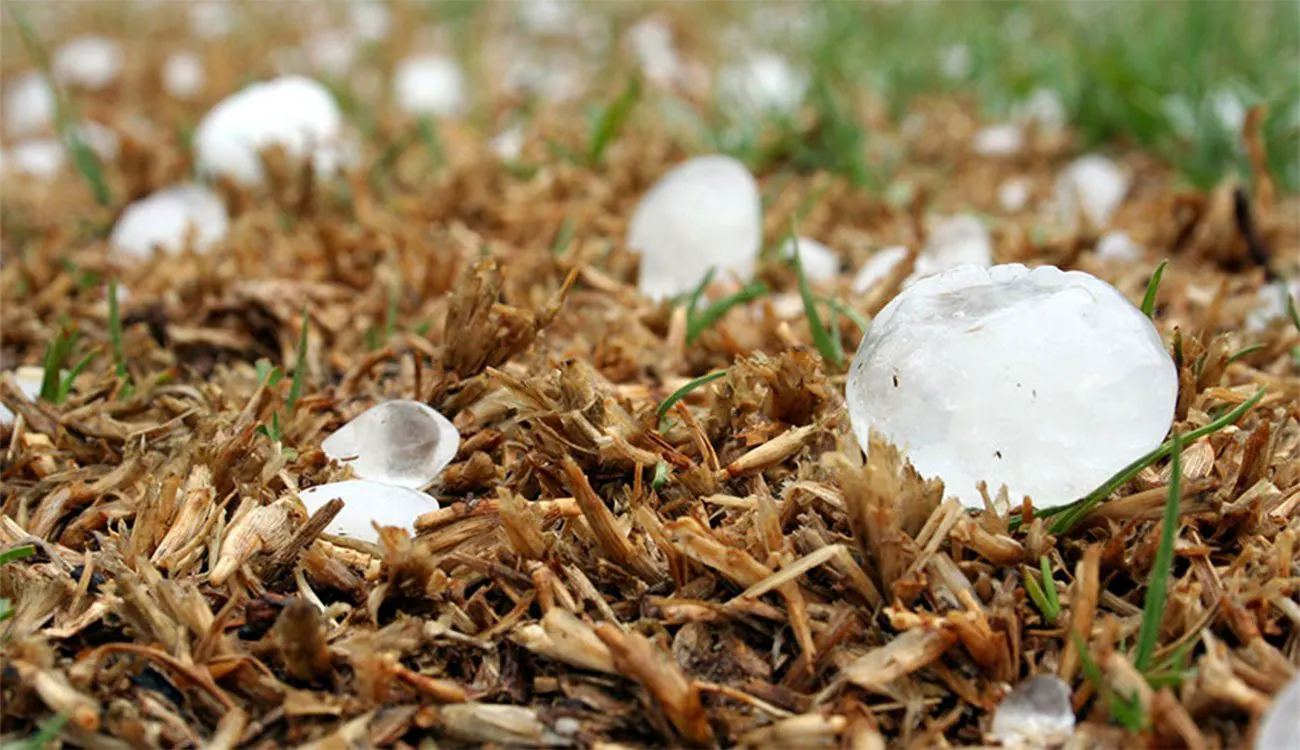
The Tunisian Ministry of Agriculture, Hydraulic Resources, and Maritime Fisheries has issued a warning to farmers affected by recent hailstorms in several regions. The ministry advises farmers to take preventive measures to limit damage to olive groves and fruit trees and prevent the spread of diseases. Hailstorms can cause significant damage, including defoliation, branch breakage, and fruit deterioration.
According to the ministry, hail damage can lead to the development of bacterial and fungal diseases, such as olive tuberculosis and wood diseases. The injuries caused by hail can also facilitate the spread of these diseases. To mitigate these risks, the ministry recommends that farmers prune damaged branches and apply phytosanitary treatments using approved products containing low concentrations of copper.
The ministry advises farmers to avoid performing these interventions during the hottest part of the day and during periods of rain. It also emphasizes the importance of respecting the recommended waiting period before harvesting, as indicated on the phytosanitary product label. Farmers are encouraged to contact regional and central ministry services for further information and technical guidance.
The warning comes after hailstorms were reported in several regions of Tunisia. The ministry's recommendations aim to help farmers minimize losses and prevent the spread of diseases. By taking proactive measures, farmers can reduce the impact of hail damage on their crops.
The Ministry of Agriculture, Hydraulic Resources, and Maritime Fisheries is responsible for providing guidance and support to Tunisian farmers. The ministry's efforts focus on promoting sustainable agricultural practices and improving crop yields. In this context, the ministry's warning and recommendations aim to help farmers protect their olive groves and fruit trees from hail damage.
Farmers are advised to be proactive in protecting their crops from hail damage. By pruning damaged branches and applying phytosanitary treatments, farmers can reduce the risk of disease and minimize losses. The ministry's guidance is intended to support farmers in managing the risks associated with hailstorms.
The Tunisian government has emphasized the importance of supporting the agricultural sector, which plays a significant role in the country's economy. The Ministry of Agriculture, Hydraulic Resources, and Maritime Fisheries continues to work with farmers and other stakeholders to promote sustainable agricultural practices and improve crop yields.
Key points
- The Tunisian Ministry of Agriculture warns farmers to take precautions against hail damage to olive groves and fruit trees.
- Hailstorms can cause significant damage, including defoliation, branch breakage, and fruit deterioration.
- Farmers are advised to prune damaged branches and apply phytosanitary treatments to prevent disease and minimize losses.