Tunisian Agriculture Minister Azeddine Ben Sheikh recently chaired a working session focused on evaluating and improving the country's system for distributing seeds and fertilizers. The session aimed to assess the current system and explore ways to enhance its efficiency. Minister Ben Sheikh emphasized the importance of expanding irrigated areas and adopting a biometeorological map to guide the distribution of high-quality seeds. This approach is expected to support the country's agricultural sector and improve crop yields.
The working session brought together representatives from relevant administrations and structures to discuss the current state of the seed and fertilizer distribution system. Participants evaluated the system's effectiveness and identified mechanisms to improve the management of agricultural inputs. The goal is to ensure that these inputs are available and distributed in a timely manner, taking into account regional agricultural and climatic specificities. This, in turn, will help optimize the use of available resources, support productivity, and ensure a smooth agricultural season.
Minister Ben Sheikh stressed the need to prioritize the expansion of irrigated areas and promote the efficient use of available water resources. He highlighted that this is a crucial aspect of supporting agricultural production, improving yields, and increasing productivity. The minister also emphasized the importance of adopting the biometeorological map as a scientific reference for seed distribution strategies. This map will help identify the most suitable crop varieties for different regions, taking into account local climate and environmental conditions.
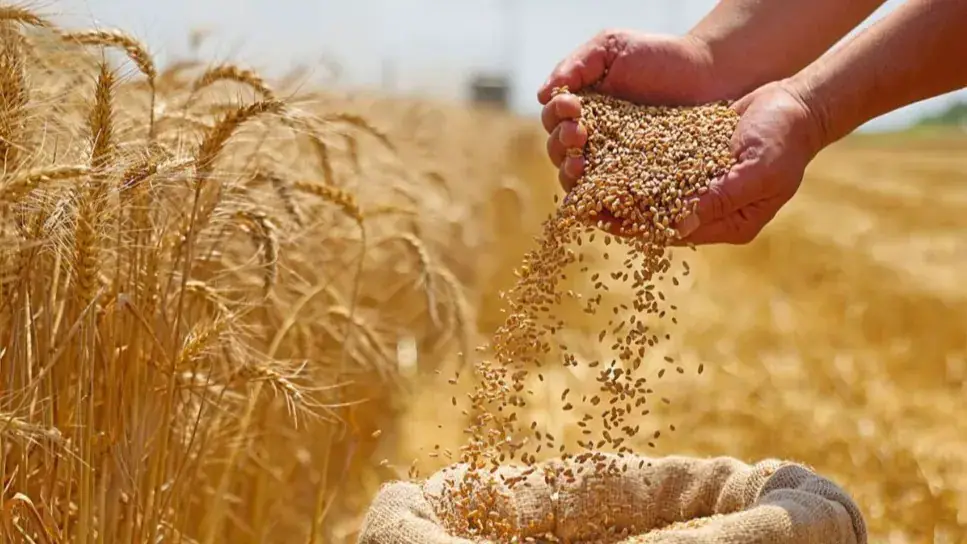
The biometeorological map is expected to play a key role in guiding seed distribution and selection. By adopting this map, the government aims to promote the use of climate-resilient crop varieties that can adapt to prevailing weather conditions. This approach will help mitigate the risks associated with climate variability and improve agricultural yields. The minister also emphasized the need for careful planning and coordination among stakeholders to ensure the efficient distribution of seeds and fertilizers.
To improve the distribution system, Minister Ben Sheikh called for enhanced planning, coordination, and monitoring. He emphasized the importance of ensuring that seeds and fertilizers reach farmers on time and in sufficient quantities. The government aims to strengthen collaboration among relevant stakeholders and track the distribution process to ensure that it meets farmers' needs and supports a successful agricultural season.
The minister also highlighted the need to establish a performance monitoring and evaluation system for stakeholders involved in the grain sector. This system will help clarify roles and responsibilities, track progress, and facilitate the exchange of information among stakeholders. By doing so, the government aims to improve the efficiency of the grain system and support informed decision-making.
Overall, Minister Ben Sheikh's emphasis on expanding irrigated areas and adopting a biometeorological map for seed distribution reflects the government's efforts to support the country's agricultural sector. By implementing these measures, Tunisia aims to improve crop yields, enhance food security, and promote sustainable agricultural practices. The success of these initiatives will depend on effective coordination and collaboration among stakeholders.
Key points
- The Tunisian government aims to expand irrigated areas and adopt a biometeorological map to guide the distribution of high-quality seeds.
Reporting sources
- Établissement de la Radiodiffusion-Télévision Tunisienne · Établissement de la Radiodiffusion-Télévision Tunisienne