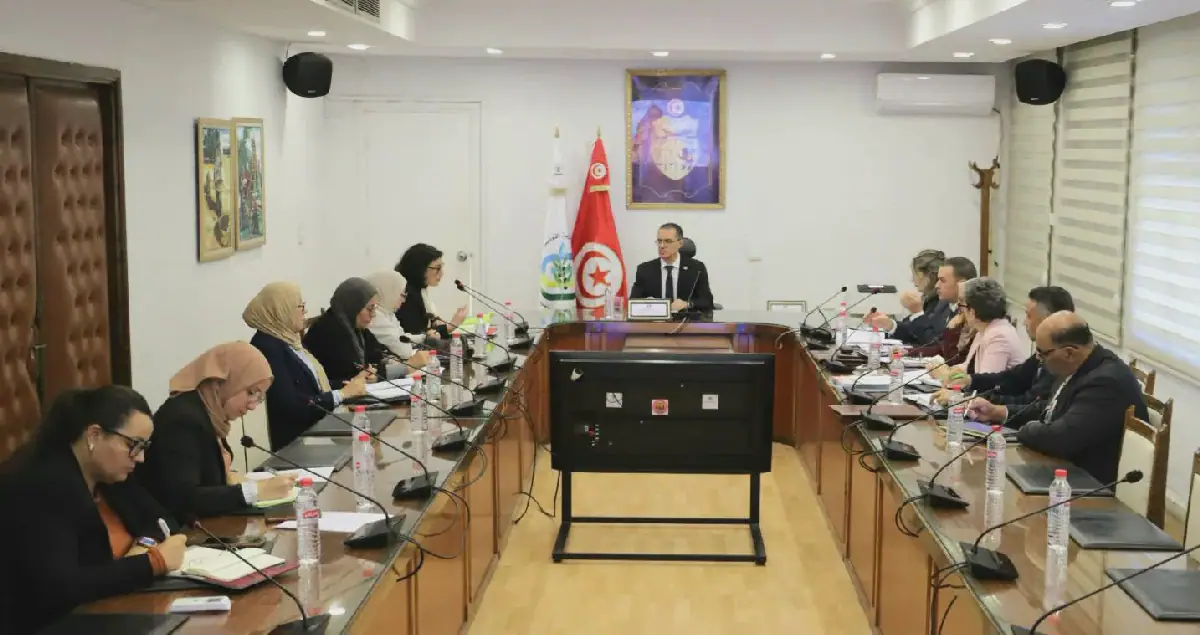
On November 6, 2026, Tunisian Agriculture Minister Azzedine Ben Cheikh chaired a working session to review the distribution of seeds and fertilizers for the upcoming agricultural season. The session aimed to assess the current system and discuss ways to improve its efficiency. Representatives from relevant administrations and structures attended the meeting. The minister highlighted the need to prioritize the expansion of irrigated areas and enhance the use of available water resources to support agricultural production and improve yields.
The minister stressed the importance of adopting the bioclimatic map of Tunisia as a primary scientific reference for distributing high-quality seeds and selecting suitable crop varieties. This approach considers the country's climatic and environmental specificities, ensuring that the chosen varieties are well-suited to local conditions and can adapt to prevailing climate change. By adopting this strategy, Tunisia aims to minimize risks associated with climate fluctuations and enhance crop yields.
The working session also focused on improving the distribution system for seeds and fertilizers. The minister called for better planning, more efficient distribution mechanisms, and ensuring that these inputs reach farmers on time and in sufficient quantities. He emphasized the need for enhanced coordination among stakeholders and monitoring of the distribution process to meet farmers' needs and prevent disruptions that could impact the agricultural season.
To further enhance the system, the minister advocated for the development of a specific guide to monitor and evaluate the performance of various stakeholders involved in the grain system. This guide would help clarify tasks, responsibilities, and performance evaluation, while also facilitating information exchange among parties and enabling timely decision-making.
These initiatives align with Tunisia's efforts to develop and improve its agricultural production systems, focusing on scientific planning, efficient use of natural resources, and enhancing the sector's resilience to climate change. The goal is to support sustainable production, food security, and national food sovereignty.
The Tunisian government's emphasis on expanding irrigated areas and adopting a bioclimatic map reflects its commitment to addressing climate change and promoting sustainable agriculture practices. By prioritizing these areas, the country aims to improve agricultural productivity, reduce vulnerability to climate-related risks, and ensure a more food-secure future.
The bioclimatic map is a critical tool in this effort, providing a scientific basis for decision-making in agriculture. By leveraging this map, Tunisian authorities can optimize seed distribution, select suitable crop varieties, and develop targeted strategies to support farmers in different regions. This approach is expected to contribute to improved crop yields, reduced losses, and enhanced overall agricultural productivity.
Key points
- The Tunisian government is prioritizing the expansion of irrigated areas to support agricultural production and improve resilience to climate change.