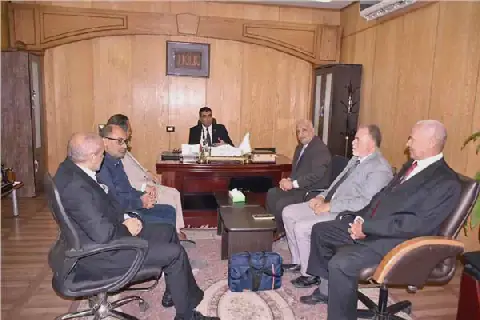
Dr. Noureddine Nasr, a renowned international agricultural development advisor, has urged Tunisian farmers to adopt enhanced preventive measures against the bacterial olive tree disease. Speaking on Diwan FM radio, he stressed the importance of verifying the origin of olive tree plants, disinfecting pruning tools, and regularly monitoring trees to minimize the risk of disease transmission. This advice comes as the disease, also known as olive tree canker, has been detected in several Mediterranean countries, including Tunisia.
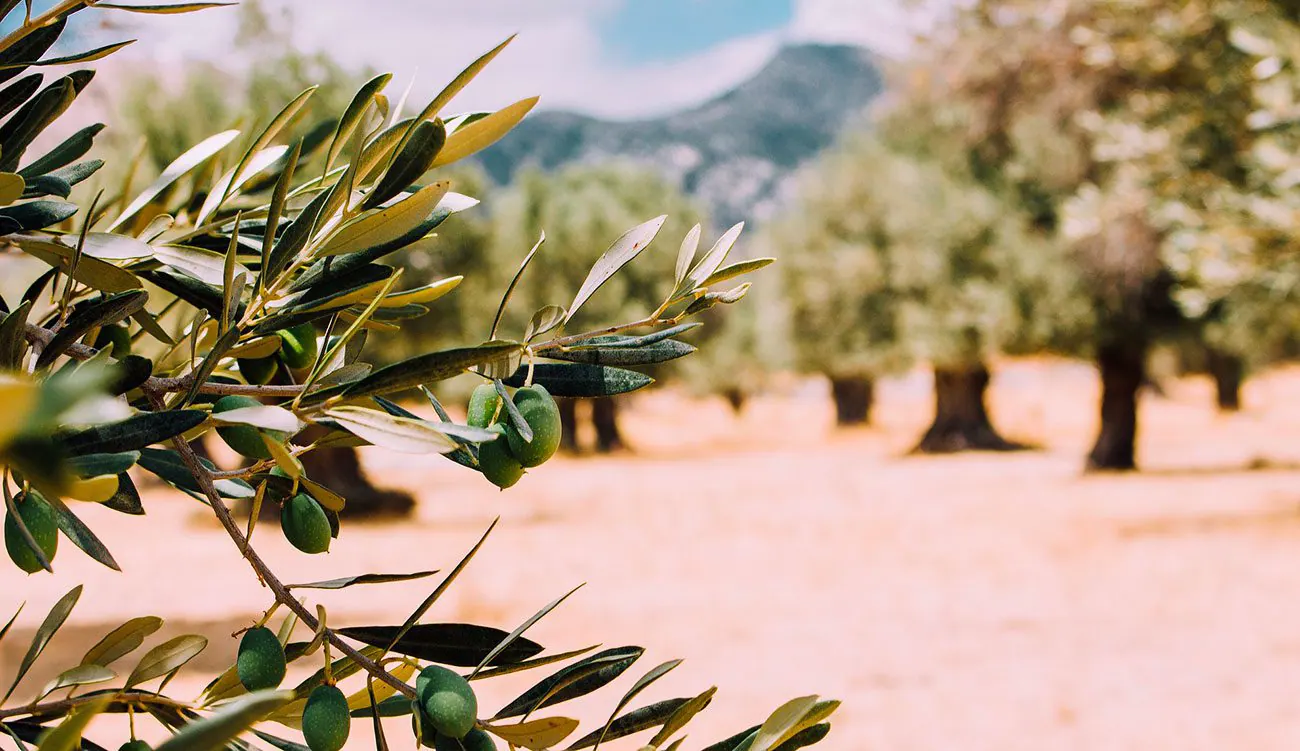
Dr. Nasr clarified that the bacterial disease affecting olive trees is not a new phenomenon, contrary to some social media reports. He also dispelled claims of a link between the disease and the red scale insect, affirming that the bacterial infection has long been present in the Mediterranean region. According to Dr. Nasr, the bacteria responsible for the disease are prevalent in several Mediterranean countries, including Greece, Italy, and France. The infection can significantly impact olive tree productivity, underscoring the need for vigilance and prompt action when symptoms appear.
To mitigate the risks associated with the disease, Dr. Nasr advised farmers to avoid purchasing and planting old, uprooted olive trees, locally referred to as "zitoun el kob." He warned that relocating infected trees could facilitate the spread of the bacteria to other trees and new production areas. Instead, farmers should source plants exclusively from accredited nurseries supervised by the Ministry of Agriculture, verifying official documents confirming the plants' origin and avoiding informal or unauthorized nurseries.
Dr. Nasr also highlighted the risks of disease transmission through pruning tools. He recommended that farmers use separate tools for each worker and disinfect them according to technical guidelines. Furthermore, he suggested that pruning operations start with healthy trees before moving on to suspected or infected trees to minimize transmission risks. For infected trees, Dr. Nasr advised removing and treating affected branches and growths in accordance with official plant health directives.
Regarding the disposal of infected plant material, Dr. Nasr recommended burning affected branches and growths on site, under the infected tree, and avoiding their transportation to other fields without precautions. This approach aims to prevent the spread of the pathogen. He also drew attention to the potential role of certain insects in transmitting the bacteria, emphasizing the need for regular monitoring of olive grove health and swift intervention when suspicious signs appear.
Dr. Nasr's recommendations focus on strengthening prevention and protecting Tunisia's olive oil production by educating farmers about disease transmission methods and promoting best agricultural practices. By adopting these measures, farmers can reduce the risk of disease transmission and maintain the health of their olive trees. The expert's advice is particularly relevant given the significant impact of the disease on olive tree productivity and the importance of the olive sector to Tunisia's economy.
The bacterial olive tree disease has significant implications for Tunisia's olive oil industry, which is a vital sector for the country's economy. Tunisian farmers and agricultural authorities must work together to implement effective preventive measures and control the spread of the disease. By doing so, they can help ensure the long-term sustainability of the country's olive oil production and maintain its reputation as a high-quality producer.
Key points
- Dr. Noureddine Nasr emphasizes the importance of verifying the origin of olive tree plants and disinfecting pruning tools to prevent the spread of bacterial olive tree disease.
- The disease, also known as olive tree canker, has been detected in several Mediterranean countries, including Tunisia, Greece, Italy, and France.
- Farmers should source plants exclusively from accredited nurseries supervised by the Ministry of Agriculture to minimize the risk of disease transmission.