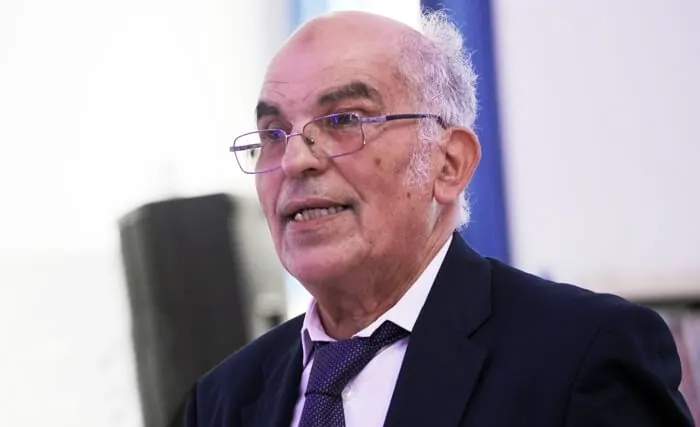
A recent academic event was held at Beit-el-Hekma in Tunisia to discuss the state of the world. The event featured a book presentation by Tunisian-Canadian professors Essedik Ejjedi and Gilles Bibeau, titled "Comment va le monde?" (How is the World?). The book explores the current state of global affairs, with a focus on conflicts and peace. The event brought together Tunisia's intellectual elite, including philosophers, jurists, economists, and sociologists.
The discussion that followed the book presentation was lively and engaging, with many participants expressing concerns about the increasing number of armed conflicts worldwide. The event's attendees, including former ambassadors and prominent thinkers, shared their insights on the current state of global affairs. The professors' book highlights the complexities of international relations and the impact of conflicts on global stability.
According to the professors, the current state of the world is marked by a rise in conflicts and violence. They argue that this trend is not new, but rather a continuation of a long history of human conflict. The book explores the root causes of these conflicts, including economic and social factors. The authors also examine the role of the arms industry in perpetuating conflicts.
Some participants at the event questioned whether wars are a necessary evil, citing the idea that they can help regulate population growth and maintain economic balance. However, others strongly disagreed, arguing that this perspective is overly simplistic and ignores the devastating human cost of conflicts. The discussion also touched on the concept of geopolitics and how wars have shaped the modern world.
The event also explored the relationship between capitalism and conflict, with some arguing that the pursuit of profit and power drives many conflicts. Others pointed to the role of human nature, citing examples from history and scripture to illustrate the tendency towards violence and aggression. The professors' book offers a nuanced analysis of these complex issues.
Despite the dire picture painted by the discussions, some participants expressed optimism about the future. They pointed to the cyclical nature of history, citing the work of Ibn Khaldoun, a renowned Tunisian historian. According to this perspective, human societies go through cycles of growth, decline, and renewal, offering hope for a more peaceful future.
The event concluded with a sense of cautious optimism, as participants acknowledged the complexity of global challenges but also recognized the potential for positive change. The book presentation and discussion demonstrated the importance of academic and intellectual engagement in addressing the world's problems. The event highlighted the need for continued dialogue and cooperation to address the pressing issues of our time.
Key points
- The event featured a book presentation by Tunisian-Canadian professors Essedik Ejjedi and Gilles Bibeau, titled "Comment va le monde?"
- The discussion explored the root causes of conflicts, including economic and social factors, and the role of the arms industry in perpetuating conflicts.
- Despite the dire picture painted by the discussions, some participants expressed optimism about the future, citing the cyclical nature of history.