A recent report by Greenpeace Middle East and North Africa (MENA) highlights the urgent need for Tunisia to address plastic pollution. The report, titled "Evaluating the Cost of Plastic Pollution in Egypt, Morocco, and Tunisia," estimates that if no action is taken, plastic pollution could cost Tunisia between $3 and $10 billion by 2040. This report coincides with an upcoming meeting of government delegations in Bangkok to discuss a global treaty on plastics.
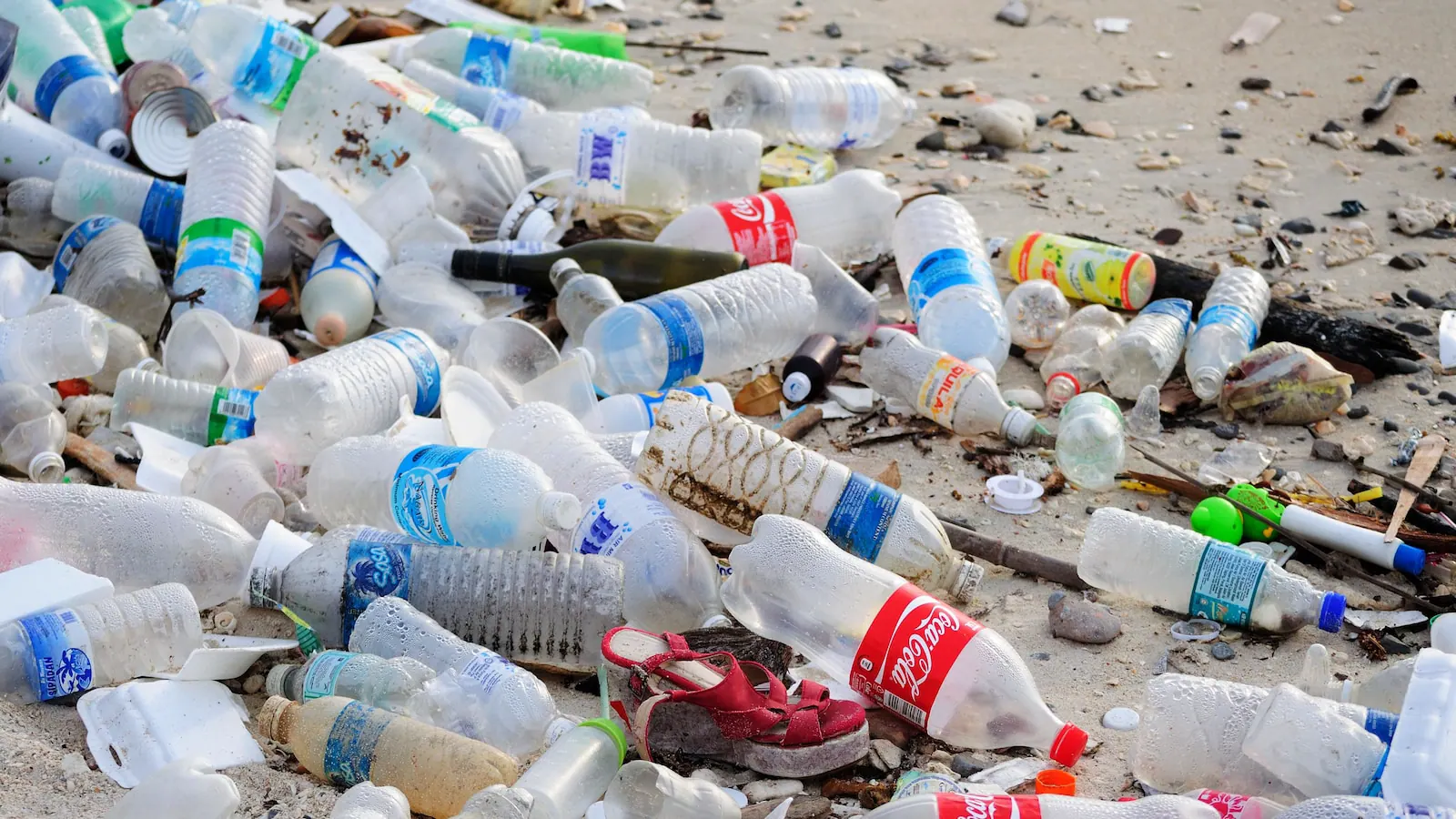
The impact of plastic pollution is evident on Tunisia's beaches, where 77% of the 9,821 debris collected were made of plastic. Of the debris with identifiable origins, 98.2% came from within Tunisia, indicating that most plastic waste comes from the country's own system rather than from abroad. Despite importing nearly all its raw plastic polymers, Tunisia's plastic waste problem is largely domestic.
According to the World Bank, Tunisia generates approximately 188,000 tons of plastic waste annually, with 17,000 tons of plastic ending up in the Mediterranean Sea. This is part of a larger 55,500 tons of poorly managed plastic waste on land. The report emphasizes that reducing plastic waste at its source is crucial and that Tunisia can benefit economically from doing so.
Farah Al Hattab, responsible for Greenpeace MENA's plastic campaign, stressed that Tunisia has a clear interest in reducing plastic use, both domestically and internationally. She noted that continuing on the current path would be more costly than beneficial for the country. Al Hattab also highlighted the importance of a global treaty on plastics to address the issue effectively.
The report recommends that Tunisia leverage its existing legislation, particularly regarding producer responsibility, and extend this responsibility to fishing gear, which accounts for 22.2% of beach waste by weight. It also suggests stricter enforcement of restrictions on single-use plastic bags, already banned since January 2020.
Al Hattab emphasized that a strong global treaty can make a significant difference by reducing unnecessary plastic production, holding producers accountable, and advocating for robust financial mechanisms. This would help countries like Tunisia manage the growing influx of plastic waste not originated from within their borders.
The upcoming meeting in Bangkok, where Tunisia will be represented, is a crucial step toward negotiating a global treaty on plastics. The treaty aims to address the plastic pollution crisis through international cooperation and could have significant implications for countries like Tunisia that are heavily affected by plastic waste.
Key points
- Plastic pollution could cost Tunisia between $3 and $10 billion by 2040 if no action is taken.
- 77% of debris collected on Tunisian beaches were made of plastic.
- A global treaty on plastics is being negotiated to address the issue internationally.