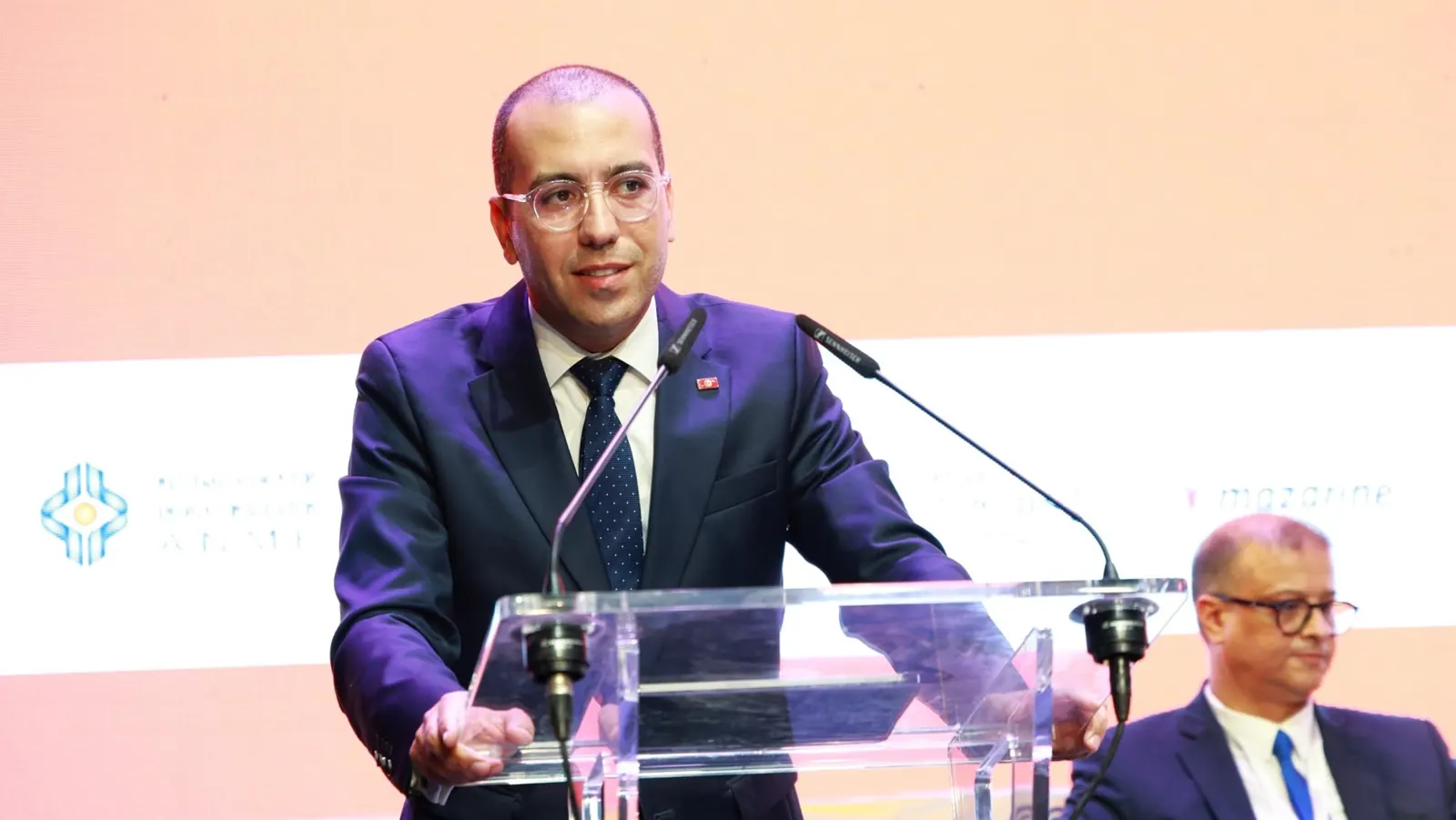
On October 1, 2026, Wail Chouchane, the Tunisian Minister of Energy Transition, emphasized the need for Tunisia to accelerate its energy transition to enhance energy security and support national economic growth. He made these remarks during the fourth edition of the International Salon for Energy Transition in Tunis. According to Chouchane, the global transformations in the energy sector, particularly the geopolitical developments, fluctuations in energy markets, and supply chain pressures, have brought energy security back to the top of priorities.
Chouchane noted that energy has become closely linked to sovereignty, economic security, and competitiveness. He stressed that Tunisia is not starting from scratch in its energy transition journey, citing the progress made so far in increasing the share of renewable energy in the country's electricity production mix to around 9% currently, up from about 4% two years ago. This development, he said, is an important indicator of the beginning of a successful transition but also reflects the efforts still required and the speed that needs to be adopted in the coming phase.
The Minister highlighted that the progress achieved so far should serve as an incentive for further acceleration, emphasizing that energy security is a national responsibility that goes beyond institutions and sectors. He pointed out that the current year has practically demonstrated the challenges facing the electricity system and the importance of time, necessitating, in his estimation, a move to a new phase titled "acceleration on all fronts and at the same time."
Chouchane mentioned that Tunisia currently has several projects in various stages of preparation and implementation, including major renewable energy projects, a licensing system, self-production, development of the electricity grid, acceleration of storage projects, promotion of energy efficiency, and continuation of developing electrical interconnections. He stressed that these elements are interconnected, explaining that an increase in the share of renewable energies requires the development of a more flexible electricity grid, provision of storage capacities, and smarter management and forecasting systems.
The Minister emphasized that the goal is not limited to adding new electricity production capacities but to build a stronger, more flexible electricity system capable of responding to the country's needs. He noted that achieving this transition requires the participation of various parties, including the state, public institutions, the private sector, financial institutions, investors, national experts, and professionals. Chouchane believes that this acceleration also represents an opportunity for the Tunisian institution to invest, grow, and develop its expertise in engineering, installation, maintenance, services, and technology.
Chouchane called for continued attraction of international investment and establishment of external partnerships that provide financing, expertise, and technology, while supporting national capacities and enhancing the added value created within Tunisia. He concluded by affirming that Tunisia has made progress and has important projects and programs that need to be accelerated, stressing that the energy transition is not a project of a single ministry, institution, or sector but a national path that requires the involvement of various parties.
Key stakeholders agree that energy security is crucial for Tunisia's economic growth and sovereignty. The country's progress in renewable energy is a positive step, but more efforts are needed to achieve a robust energy system. The government, private sector, and international partners must collaborate to accelerate the energy transition and ensure a sustainable future for Tunisia.
Key points
- Tunisia aims to increase its renewable energy share to enhance energy security.
- The energy transition requires collaboration among various stakeholders, including the government, private sector, and international partners.
- Accelerating the energy transition is crucial for Tunisia's economic growth and energy security.