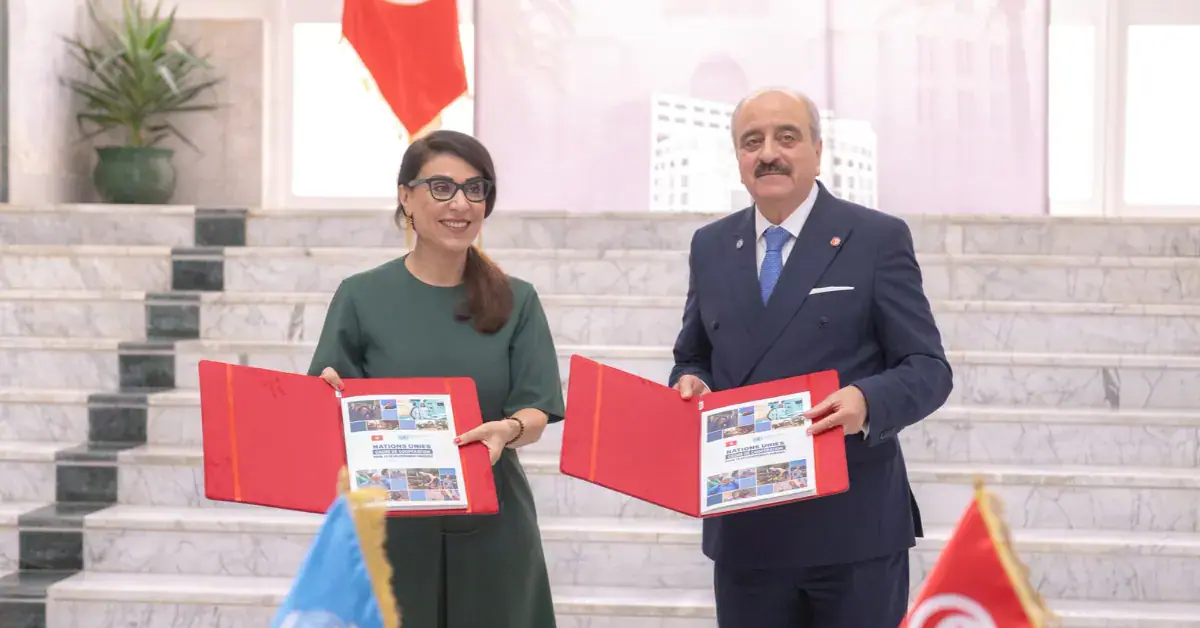
Tunisia and the United Nations have signed a strategic cooperation framework for the period 2027-2031. The agreement was signed by Minister of Foreign Affairs, Migration and Tunisians Abroad, Mohamed Ali Nafti, and UN Resident Coordinator in Tunisia, Rana Taha. This framework represents a strategic reference for guiding UN interventions in Tunisia, aligning with the country's national priorities outlined in the 2026-2030 development plan.
The cooperation framework is based on three strategic pillars: developing human capital and promoting social inclusion and comprehensive economic transformation, supporting the creation of decent job opportunities; ecological and energy transition, and enhancing water, food, and environmental security. The framework aims to support Tunisia's development choices and efforts to address economic, social, and environmental challenges.
Minister Nafti emphasized that the framework is a strategic tool to support Tunisia's development choices and efforts to address challenges. He also highlighted the importance of the UN's 80 initiative, which provides technical expertise and contributes to enhancing national capacities, facilitating partnerships, and mobilizing necessary resources, particularly in the current international context.
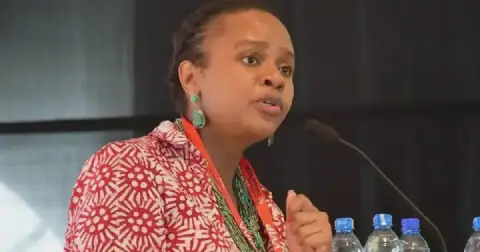
Rana Taha, UN Resident Coordinator in Tunisia, stressed the importance of the new cooperation framework as a comprehensive reference for the UN's work in Tunisia over the next five years. She noted that it presents an opportunity to strengthen partnership with national institutions and support efforts to achieve sustainable development goals in various dimensions.
The cooperation framework aims to promote integration between UN programs and national efforts, within the framework of a partnership based on national ownership, role integration, and directing resources towards achieving tangible and sustainable results. This contributes to building a more prosperous and resilient Tunisia.
The signing of the framework reflects the strong partnership between Tunisia and the UN, and the commitment to support the country's development priorities. The framework will guide UN interventions in Tunisia over the next five years, ensuring alignment with national priorities and sustainable development goals.
The agreement is expected to have a positive impact on Tunisia's development, particularly in the areas of human capital development, social inclusion, and economic transformation. It will also support the country's efforts to address environmental and security challenges, and promote sustainable development.
Key points
- The cooperation framework is based on three strategic pillars: human capital development, ecological and energy transition, and enhancing water, food, and environmental security.