Tunisia is making a strategic shift towards renewable energy and energy efficiency to address its chronic energy deficit and heavy reliance on imports. The country's government has identified this transition as a top priority, with a focus on developing renewable energy sources and reducing consumption through energy efficiency measures. This approach was outlined by Wael Chouchene, Secretary of State for Energy Transition, at the opening of the second edition of the Ifriqiya Energy Hub in Tunis on September 23.
According to Chouchene, Tunisia's energy transformation will be based on two complementary pillars: developing renewable energy and mastering energy demand. The goal is not only to increase production capacity but also to limit consumption and reduce the pressure of energy imports. This transformation is seen as both an economic and energy challenge, with the aim of boosting Tunisia's attractiveness, improving industry competitiveness, and creating jobs and added value in the regions.
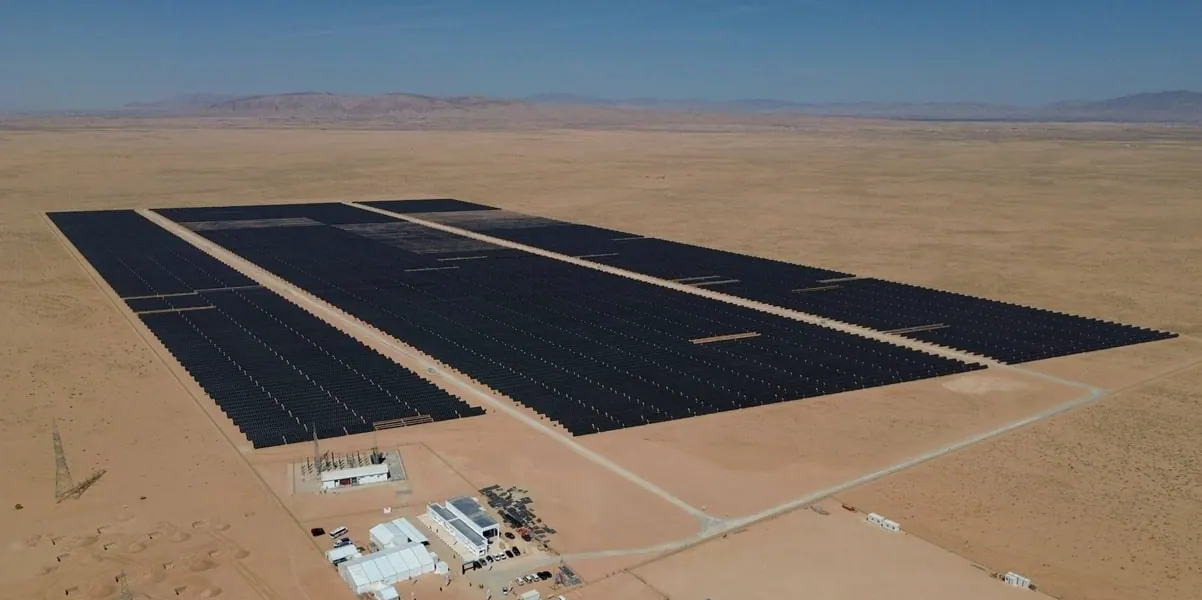
The development of renewable energy in Tunisia has already made progress, with renewable sources accounting for 9% of the country's electricity mix. The government is committed to further increasing this share, with a focus on solar and wind power. However, this transition requires significant investment in production capacity, networks, infrastructure, storage, and new technologies. The government is calling on public authorities, companies, financial institutions, and technical partners to mobilize and support this effort.
To facilitate investment, the government is seeking clear regulatory frameworks, adapted financing mechanisms, and sufficient visibility to enable long-term investments. The aim is to transform the announced orientations into projects that can gradually modify the structure of Tunisia's energy system. This will involve a range of stakeholders, including the public sector, private companies, and international partners.
Rania Marzougui, CEO of the Tunisian Petroleum Activities Company (ETAP) and head of the General Directorate of Hydrocarbons at the Ministry of Industry, emphasizes that energy security cannot rely on a single source. She advocates for a diversified energy mix, developing national production, energy efficiency, and strengthening infrastructure. This approach maintains a significant role for hydrocarbons and national production while supporting the development of renewable energies.
The ETAP and the General Directorate of Hydrocarbons will play key roles in this transition, with a focus on developing national resources and improving the investment climate. The government is also seeking to promote regional cooperation and integration, with the Ifriqiya Energy Hub aiming to bring together stakeholders from across the region to share experiences and expertise.
The success of Tunisia's energy transition will depend on the effective mobilization of resources, the development of clear policies and regulations, and the engagement of a wide range of stakeholders. The government is optimistic about the potential for renewable energy and energy efficiency to drive economic growth, improve competitiveness, and reduce the country's energy deficit.
Key points
- Tunisia aims to increase the share of renewable energy in its electricity mix.
- The government is seeking significant investment in renewable energy and energy efficiency.
- The transition to renewable energy is seen as a key driver of economic growth and competitiveness.