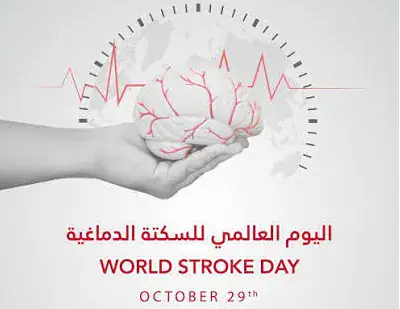
Tunisia is set to observe World Stroke Day on Thursday, October 29, along with other countries worldwide. The day is marked annually to raise awareness about stroke, a condition that significantly contributes to mortality and acquired disability in the North African nation. Health authorities and organizations in Tunisia are leveraging this occasion to intensify their efforts in educating the public and mitigating the effects of the disease.
World Stroke Day serves as a critical reminder of the importance of timely medical intervention and preventive measures. In Tunisia, health campaigns and educational programs are being implemented to inform the public about the risk factors associated with stroke, such as hypertension, diabetes, and high cholesterol. These initiatives aim to encourage lifestyle changes and promote early detection and treatment.
The Tunisian health sector has been actively working to enhance its response to stroke and other non-communicable diseases. This includes improving emergency services, upgrading healthcare infrastructure, and training medical personnel. Such efforts are part of a broader strategy to combat major health challenges facing the country and improve the overall quality of healthcare services.
In addition to World Stroke Day, Tunisia has been focusing on various health-related issues. For instance, the country has been bolstering its preparedness against infectious diseases, including Ebola, and coordinating with African countries on preventive and responsive measures. Furthermore, there have been efforts to raise awareness about cancer through screening campaigns and to monitor drug side effects through the national pharmacovigilance center.
The national pharmacovigilance center in Tunisia has reported nearly 4,000 cases of drug side effects since the beginning of 2026. This highlights the importance of monitoring and managing the safety of medications to protect public health. Meanwhile, mobile health units, such as the "Mammo Live" mobile mammography unit, have been deployed to facilitate early screening for breast cancer in various regions.
The "Mammo Live" unit, for example, was scheduled to be at the regional hospital in Sbeitla, Kasserine Governorate, on October 27, 2026, to offer free breast cancer screening. Such initiatives are crucial in promoting early detection and treatment of diseases, ultimately reducing their impact on individuals and the healthcare system.
As Tunisia observes World Stroke Day, the country reaffirms its commitment to addressing major health challenges, including stroke, through sustained efforts in education, prevention, and treatment. By engaging the public and enhancing healthcare capabilities, Tunisia aims to reduce the burden of stroke and improve health outcomes for its population.
Key points
- Tunisia observes World Stroke Day to raise awareness about the disease and its impact.
- The country is undertaking efforts to improve healthcare infrastructure and services to combat stroke and other health challenges.
- National initiatives focus on education, prevention, and early detection to mitigate the effects of stroke.