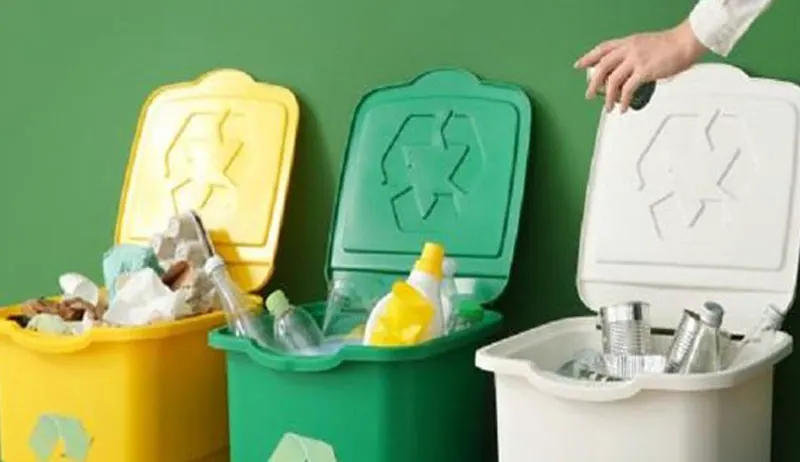
The Tunisian government has announced plans to establish a plastic waste sorting facility in Hammam Sousse, a coastal city in the Sousse Governorate. The project, valued at €330,000, is part of the TOUMALI initiative, which focuses on maritime and coastal tourism in Tunisia, Morocco, and Egypt. The facility will be implemented in collaboration with the Sousse Municipal Council, the International Center for Environmental Technology, and the Tunisian University of Hospitality.
The new facility aims to provide the necessary equipment for collecting and sorting plastic waste, thereby reducing pollution in the region. According to Derra Miled, President of the Tunisian University of Hospitality, the project is a significant step towards promoting sustainable waste management practices in Tunisia. The initiative is also expected to create new opportunities for partnerships between the public and private sectors in environmental protection.
The TOUMALI project is part of a broader effort to address environmental challenges in the Mediterranean region. Several programs have been launched to reduce pollution and promote sustainable development in the region. The establishment of the plastic waste sorting facility in Hammam Sousse is a key component of these efforts, as it will help to minimize the environmental impact of plastic waste.
In addition to the sorting facility, other projects have been implemented to address plastic pollution in Tunisia. For example, a robot has been developed to remove plastic waste from the Port of Kantaoui, with funding from the German Ministry of the Environment. This initiative demonstrates the country's commitment to finding innovative solutions to environmental challenges.
Derra Miled has called for increased support for partnerships between the public and private sectors in environmental protection. She proposed reactivating the "Tunisian Environmental Label," which was established in 2010 and 2011 through a partnership between the International Center for Environmental Technology and the National Institute for Standards and Industrial Property. The label aims to promote sustainable practices and encourage businesses to adopt environmentally responsible policies.
The Tunisian Environmental Label is expected to play a crucial role in promoting sustainable development in the country. By integrating new criteria, such as social responsibility, the label will encourage businesses to adopt practices that balance economic, social, and environmental considerations. This approach will help to promote a culture of sustainability in Tunisia and support the country's long-term development goals.
The establishment of the plastic waste sorting facility in Hammam Sousse is a significant step towards reducing pollution and promoting sustainable waste management practices in Tunisia. The project demonstrates the country's commitment to environmental protection and its willingness to collaborate with international partners to address environmental challenges.
Key points
- The facility will be implemented in collaboration with the Sousse Municipal Council, the International Center for Environmental Technology, and the Tunisian University of Hospitality.