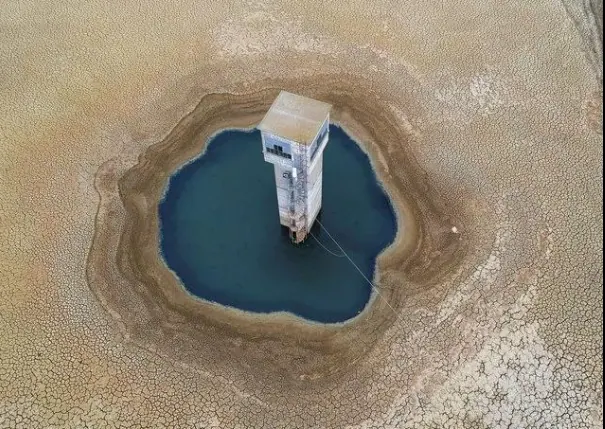
The Tunisian government has outlined a plan to invest approximately $900 million annually until the mid-century to address the country's water challenges. This investment is part of the country's efforts to implement its Plan Eau 2050, which aims to ensure a sustainable and secure water supply. The plan is crucial in addressing the country's structural water challenges, which have been exacerbated by climate change.
According to a report by the World Bank, improved precipitation and increased water levels in dams have provided temporary relief to Tunisia's water challenges. However, these short-term gains do not address the underlying structural issues that the country continues to face. The report emphasizes that addressing these challenges will require not only significant investments in infrastructure but also reforms to strengthen water governance, improve the financial viability of the sector, and enhance the performance of service operators.
The Tunisian government has identified several priority measures to address the country's water challenges. These include modernizing the Water Code, establishing a regulatory framework for the reuse of treated wastewater, improving cost recovery, and protecting vulnerable households. The government also aims to reduce water losses in networks, accelerate the digitalization of services, and enhance irrigation management.
The World Bank recommends that Tunisia implement these reforms to ensure water security and preserve the country's economic prospects. The bank's report highlights the importance of addressing water challenges to achieving sustainable development goals. Tunisia's water sector faces significant challenges, including aging infrastructure, inefficient use of water resources, and limited investment in the sector.
The investment plan is also expected to be accompanied by measures to improve the governance of the water sector. This includes strengthening the institutional framework, enhancing transparency and accountability, and improving the participation of stakeholders in decision-making processes. The government aims to create a more efficient and effective water management system that can respond to the needs of all stakeholders.
Tunisia's efforts to address its water challenges have received support from international development partners. The African Development Bank has provided financing for several water-related projects in the country. The country's water sector is also expected to benefit from a $700 million guarantee agreement with the African Development Bank.
The implementation of Tunisia's Plan Eau 2050 is critical to achieving the country's sustainable development goals. The plan is expected to have a positive impact on the country's economy, environment, and social development. The government's commitment to investing $900 million annually in the water sector demonstrates its determination to address the country's water challenges and ensure a sustainable future.
Key points
- The Tunisian government plans to invest $900 million annually to address the country's water challenges and achieve sustainable development goals.
- The World Bank recommends that Tunisia implement reforms to strengthen water governance, improve the financial viability of the sector, and enhance the performance of service operators.
- The implementation of Tunisia's Plan Eau 2050 is critical to achieving the country's sustainable development goals and ensuring a sustainable future.