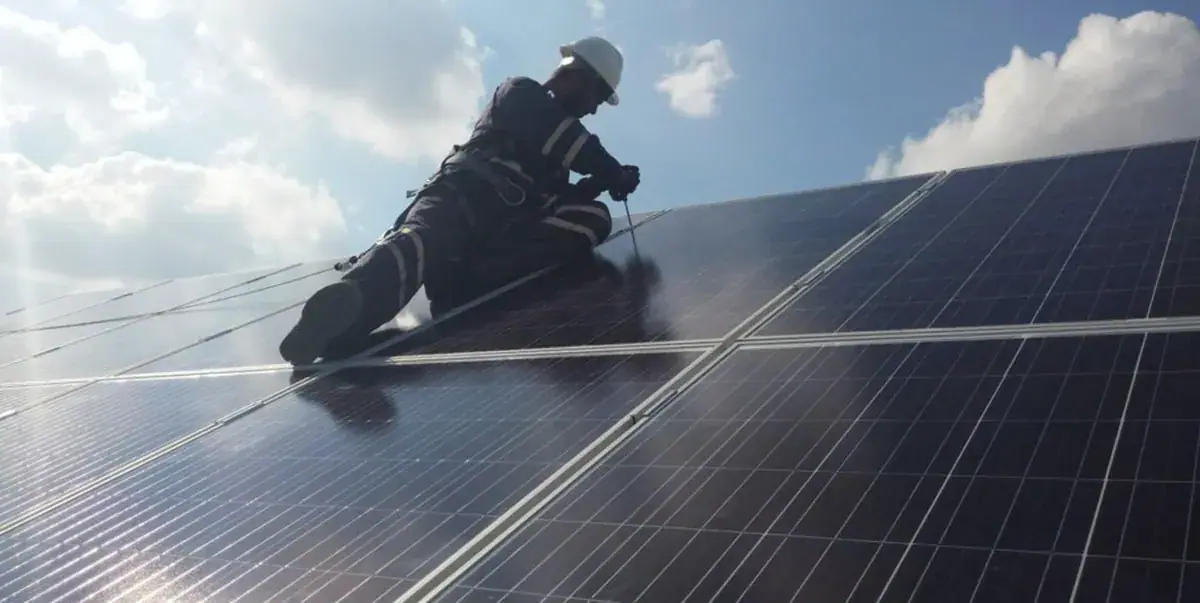
The Tunisian government is set to enhance its electric vehicle charging infrastructure with the installation of five new rapid solar-powered charging stations. The Agence nationale pour la maîtrise de l'énergie (ANME) launched a call for tenders on November 19 for the supply, installation, and operation of these stations. Each station will feature a 60 kW direct current rapid charging device and a shaded structure with 6 kWc photovoltaic panels.
The call for tenders is open to qualified companies with the necessary experience and technical references to carry out the installations according to the specifications outlined in the cahier des charges. Interested parties must submit their technical and financial offers online through the Tuneps national public procurement platform. The deadline for submissions is December 18, 2026. The ANME emphasizes that failure to comply with technical specifications or installation procedures will result in the rejection of applications.
These new installations aim to expand the country's charging network and facilitate travel for electric vehicle users, particularly with equipment allowing for rapid charging and integrated solar production. The development of electric mobility is crucial in Tunisia, where transportation accounts for approximately 36% of final energy consumption and contributes around 26% to greenhouse gas emissions.
Tunisia has set ambitious targets for electric mobility, aiming for a fleet of 50,000 electric vehicles and 5,000 charging stations by 2030. The country encourages the use of electric and hybrid vehicles in both public and private sectors. As of August 2026, Tunisia's electric vehicle fleet was around 3,000 units, with nearly 200 public charging points available.
The installation of these five new stations represents a significant addition to the country's still-developing charging network, which is expected to grow in line with the increasing adoption of electric vehicles. The ANME's initiative is a step towards achieving Tunisia's goals for reducing emissions and promoting sustainable transportation.
The new charging stations will be equipped with devices capable of rapid charging, which will significantly reduce charging times for electric vehicle users. This is expected to encourage more widespread adoption of electric vehicles, contributing to a reduction in greenhouse gas emissions and improved air quality.
The successful implementation of these projects will bring Tunisia closer to its goal of having 5,000 charging stations by 2030, supporting the growth of electric mobility in the country. With a growing fleet of electric vehicles, Tunisia is taking steps towards a more sustainable transportation sector.
Key points
- The new stations will be equipped with 60 kW direct current rapid charging devices and 6 kWc photovoltaic panels.
- Tunisia aims to have 50,000 electric vehicles and 5,000 charging stations by 2030.
- The country's transportation sector accounts for approximately 36% of final energy consumption and 26% of greenhouse gas emissions.