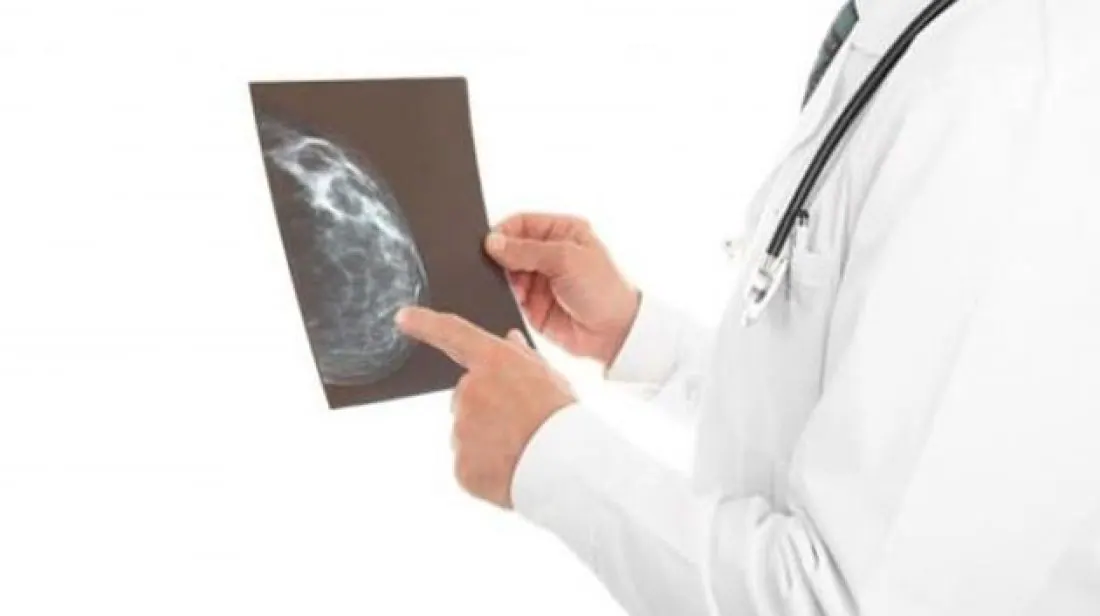
Tunisia's healthcare system is set to expand remote breast imaging services to six hospitals in internal regions by the end of 2026. The initiative, led by the Ministry of Health, aims to improve access to specialized medical services for women in remote areas. According to Habiba Meizouni, head of the medical imaging department at the Ribat Hospital, the project will cover six governorates: Tozeur, Jendouba, Bajah, Silyana, Gabes, and Mednine.
The remote breast imaging project is part of Tunisia's digital hospital strategy, launched in August 2025. The strategy seeks to digitize the healthcare sector and develop telemedicine services. The project has already shown promising results in Tozeur, where a pilot program was launched, enabling the regional hospital to connect with digital hospitals for medical image reading and rapid result transmission.
The new service will help reduce waiting periods and alleviate the need for patients to travel to the capital or university hospitals for medical imaging services. Meizouni emphasized that the goal is to address the severe shortage of specialized medical personnel in internal regions. All regional hospitals have been equipped with modern medical imaging equipment, including scanners, MRI machines, and mammography units, but they lack the necessary human resources for diagnosis.
The digital hospital project relies on a remote medical imaging system that enables the electronic transfer of medical images to specialists for reading and report preparation. This includes computed tomography scans and magnetic resonance imaging. The Ministry of Health is working to expand remote medical imaging services to include breast imaging, supporting efforts to detect breast cancer early and improve access to specialized diagnostic services for women in internal regions.
According to Meizouni, the experience of remote medical imaging in Tozeur has been successful, allowing for rapid reading of medical images and transmission of results. This has significantly reduced waiting periods and eliminated the need for patients to travel long distances for medical care. The Ministry of Health plans to extend this service to other regions, improving healthcare outcomes for women in remote areas.
The remote breast imaging project is a key component of Tunisia's strategy to enhance cancer detection and treatment. Breast cancer is a significant public health concern in Tunisia, and early detection is critical for effective treatment. By expanding remote medical imaging services, the Ministry of Health aims to increase access to specialized diagnostic services, particularly for women in internal regions.
The implementation of remote breast imaging services in six hospitals by the end of 2026 is a significant step towards improving healthcare outcomes for women in Tunisia. The project is expected to enhance cancer detection and treatment, reducing the burden on patients and the healthcare system. With the digital hospital strategy, Tunisia is moving towards a more efficient and effective healthcare system, prioritizing access to specialized medical services for all citizens.
Key points
- Remote breast imaging to be implemented in 6 hospitals by end of 2026
- Project aims to improve access to specialized medical services for women in remote areas
- Initiative part of Tunisia's digital hospital strategy to digitize healthcare sector