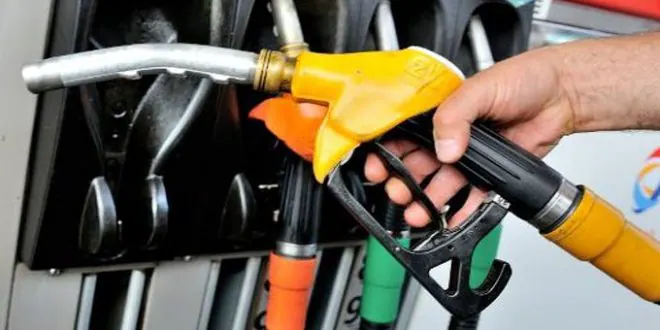
The Tunisian General Labour Union announced on Tuesday that a strike in the fuel transport sector would begin at 00:00 on Wednesday, September 23, 2026, and end at 23:59 on Thursday, September 24, 2026. This move is likely to cause a shortage of fuel in the country for the next two days. The strike is expected to disrupt the normal supply of fuel to various parts of the country.
The strike call was issued by the Union on Tuesday, and it comes at a time when the country is already experiencing various challenges. The fuel shortage is expected to affect the daily lives of citizens, with possible long queues at fuel stations and increased prices. The government has not made an official statement on the strike, but it is likely to urge the union to reconsider its decision.
According to recent statistics, only 41% of women and young people in Tunisia have formal financial accounts. The lack of access to formal financial services has led to an increased reliance on cash transactions. This has significant implications for the economy, as it limits the government's ability to track transactions and implement effective monetary policies.
The strike is also expected to have an impact on the country's economy, which is already facing various challenges. The tourism sector, which is a significant contributor to the country's GDP, is likely to be affected by the fuel shortage. The sector has been recovering slowly from the impact of the COVID-19 pandemic, and the fuel shortage could further exacerbate the challenges faced by the industry.
In a related development, the Tunisian Ministry of Agriculture has announced the schedule and conditions for the 2026/2027 fishing season. The ministry has also been working to enhance the country's fishing industry, with a focus on increasing exports and creating jobs. The fishing industry is a significant contributor to the country's economy, and the ministry's efforts are expected to have a positive impact on the sector.
The fuel shortage is also expected to have an impact on the country's transportation sector, with possible disruptions to public transportation services. The government has urged citizens to plan their trips in advance and to use alternative modes of transportation where possible. The fuel shortage is expected to affect not only the transportation sector but also the country's overall economic activity.
The Tunisian government has been working to address various challenges facing the country, including a shortage of fuel and a slow economic recovery. The government has implemented various measures to mitigate the impact of the fuel shortage, including rationing fuel supplies and increasing imports. However, the strike by the transport union is likely to exacerbate the challenges faced by the government.
Key points
- The strike is expected to cause a shortage of fuel in Tunisia for two days.
- The fuel shortage is likely to affect the country's economy, including the tourism and transportation sectors.
- The Tunisian government has been working to address various challenges facing the country, including a shortage of fuel and a slow economic recovery.